
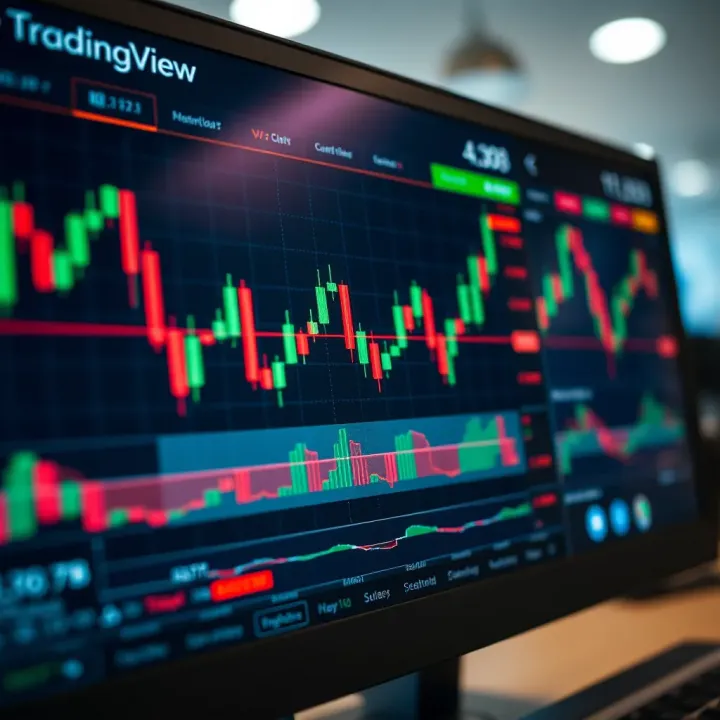
TradingView Guide for Pakistani Traders
📈 Discover how TradingView.com helps Pakistani traders analyze markets with powerful tools, real-time charts, and user-friendly features for smart trading decisions.
Edited By
Charlotte Hughes
Exness offers a range of account types designed to meet various trading needs, making it easier for Pakistani traders to select what fits their style and budget. Knowing the differences between these accounts helps you avoid unnecessary costs and choose a setup that matches your experience and investment amount.
At its core, Exness provides accounts that vary mainly by minimum deposit requirements, spreads, and leverage options. For example, if you are just starting out and want to test the waters without risking much, Exness’s Standard Cent account might be suitable. It lets you trade micro lots with very low deposit limits, often starting as low as $1 (about Rs 280), which is practical for small traders or those still learning.
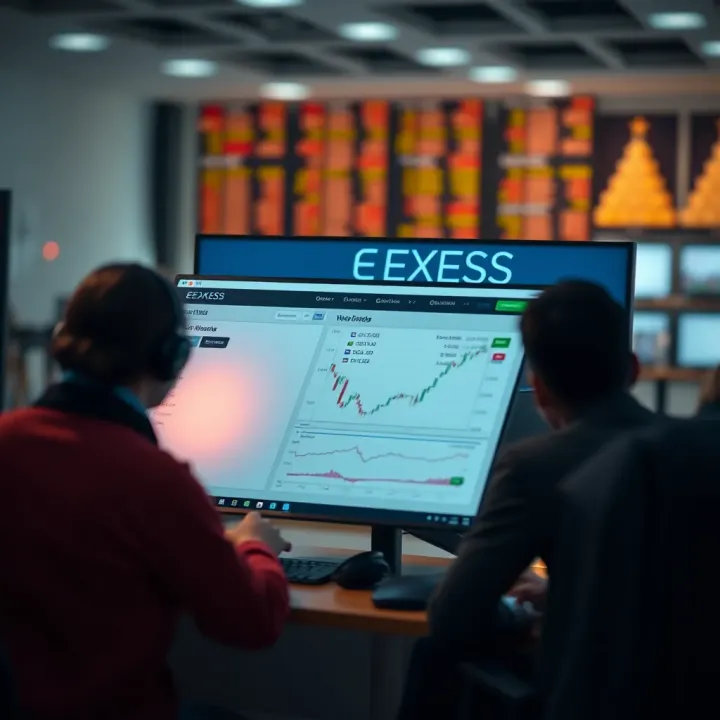
Meanwhile, the Standard account suits traders with some experience who want lower spreads and higher leverage possibilities. This account is often recommended for Pakistani traders who have Rs 10,000 to Rs 50,000 handy for trading.
For professionals or those with larger capital, the Pro and Zero accounts offer tighter spreads, but they require higher minimum deposits. For instance, the Zero account aims at traders who prefer trading with zero spreads on major currency pairs but pay a small commission per trade. This could be beneficial when you plan to do high-frequency trading or scalping, where spreads eat heavily into profits.
Minimum Deposit: Ranges from as low as $1 for Standard Cent to $200 or more for Pro and Zero accounts.
Spread Type: Variable on Standard Cent, Standard and Pro; Zero account provides zero spread but charges commission.
Leverage: Up to 1:Unlimited, but Pakistani traders typically stick to conservative leverage to manage risk.
Trading Instruments: All accounts support forex and CFDs, but conditions vary.
Choosing the right Exness account depends not just on how much you want to invest but also on your trading strategy and risk tolerance. For instance, if you’re a day trader in Karachi looking to manage spreads tightly, Zero account could be the smart choice. However, for someone in Lahore testing market moves cautiously, Standard Cent or Standard accounts work well.
In the next sections, we will explore each account type’s features in detail and how they cater to the specific needs of Pakistani traders, including how to open and manage these accounts effectively.
Getting a firm understanding of Exness trading accounts helps you pick the right option tailored to your trading style and goals. Pakistani traders face unique challenges—like managing investments amid currency fluctuations and local regulations—so choosing the correct account type reduces risks and maximises potential returns. This overview gives you a clear starting point before diving into each account’s detailed features.
Exness provides a range of trading accounts catering both beginners and seasoned professionals. These accounts differ mainly in spreads, commissions, minimum deposits, and supported trading platforms. For example, a novice trader in Lahore might start with the Standard account due to its low barrier to entry, while an experienced professional handling larger volumes in Karachi may prefer the Raw Spread account for its tighter spreads.
Beyond account variety, Exness offers fast execution speeds and a choice of MetaTrader 4 or 5 platforms, which suits most Pakistani traders who rely on reliable mobile or desktop apps. Plus, they support local payment methods like JazzCash and Easypaisa, easing the process of funding and withdrawing in Pakistan’s digital finance landscape.
Regardless of which Exness account you pick, certain features stay consistent. Every account benefits from:
Regulated environment: Exness is licensed and follows strict compliance rules, ensuring user funds are secure.
Diverse trading instruments: From popular forex pairs like USD/PKR to commodities and cryptocurrencies, there are plenty of options.
Leverage flexibility: While maximum leverage can go up to 1:2000, Pakistani traders should use it cautiously given local market volatility.
Round-the-clock customer support: Available in English and Urdu, providing timely help.
These shared features mean you don’t lose out on core benefits when choosing a lower-cost account. It’s about balancing cost with your trading needs.
By understanding this baseline, it becomes easier to evaluate how each account customises these essentials to fit different trader profiles. For instance, while spreads may tighten as you upgrade, the trade-off might include commission fees. Understanding these points upfront will save time and money.
Overall, this section sets the stage for Pakistani traders to navigate Exness’s offerings confidently, knowing what’s standard and what varies across accounts.
Understanding the detailed features of Exness’s trading accounts is essential for Pakistani traders to match their needs with the right platform. Each account type offers distinct benefits, trading conditions, and fee structures that affect both novice and seasoned traders. Knowing these differences helps avoid surprises and tailors trading strategies effectively.
The Standard Account is designed for traders who are new to the forex market or prefer low-risk entries. It requires a low minimum deposit, typically starting at $1 or equivalent, which makes it accessible for people trading with modest capital. The account provides zero commission per trade and reasonable spreads, offering straightforward trading conditions.
This account type usually features floating spreads starting around 1.0 pip. Such spreads make it easier for beginners to follow market movements without expensive costs per trade. Execution speed is balanced and reliable, suitable for slower trading styles like swing or position trading.
If you’re just starting or focusing on limited capital trading, the Standard Account is a good fit. It helps build experience without worrying about high fees. Also, traders who prefer long-term holds or casual trade monitoring find it convenient.
The Pro Account aims at active traders looking for tight spreads and faster execution. It offers market execution with no requotes, which suits scalpers and day traders. This account supports higher leverage options, which Pakistani traders might find advantageous with careful risk management.
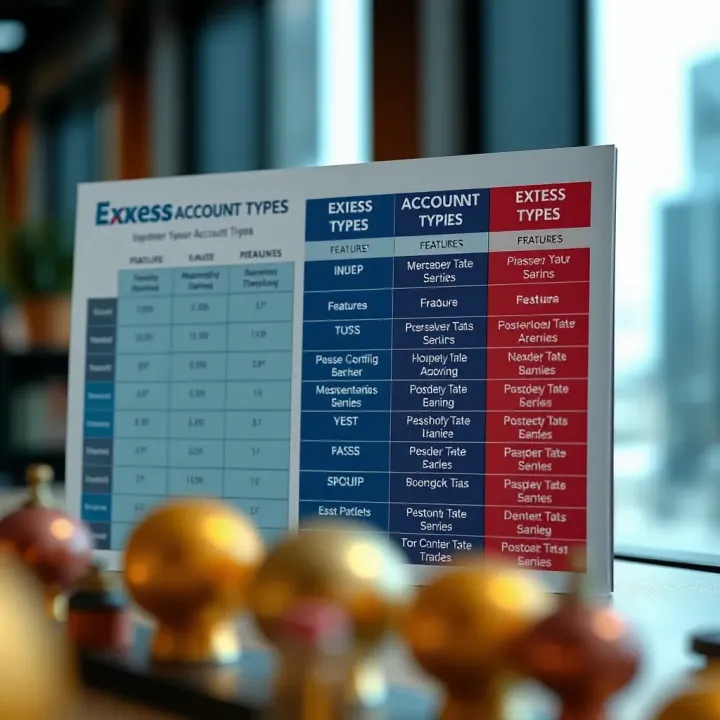
Spreads start from 0.1 pip, but traders pay a small commission per lot traded. This setup can significantly reduce overall cost for high-volume traders who prioritize tight spreads over commission-free trades.
Professional traders, or those confident with technical analysis and quick decision-making, will benefit most. If your trading style demands quick entries and exits with minimal spread impact, go for the Pro Account.
Raw Spread Accounts typically charge a fixed commission on every trade, averaging about $3.5 per lot per side. Unlike other accounts, there is no markup on spreads, making trading more cost-effective for high-frequency traders.
Spreads here are the closest to true market spreads, often starting from 0 pips. This means you trade with almost no additional cost on price difference, which is ideal for strategies that require precise entry points.
If you employ scalping or automated trading systems (EAs) that depend on razor-thin spreads, this account suits best. It’s especially practical for traders who handle large volumes and can absorb the commission fee with the spread savings.
The Zero Account offers zero spreads on major currency pairs during peak market hours but includes a commission on trades. The commission is generally similar to that of the Raw Spread Account, balancing the cost effectively.
You can trade a wide variety of instruments, including forex majors, commodities, and indices, often with the enhanced benefit of zero spread on the most liquid pairs. This makes it easier to trade big events or market news.
This account works well for traders who prefer predictable trading costs without worrying about fluctuating spreads. If you focus on major pairs with high liquidity and require cost certainty, this account fits your needs nicely.
Choosing the right Exness account depends strongly on your trading style, risk appetite, and capital. Pakistani traders benefit by carefully weighing spreads, commissions, and execution speed to find the best match for their goals.
Choosing the right Exness account type is essential for Pakistani traders to optimise their investment strategy and manage risk effectively. Comparing accounts helps you understand core differences like deposits, trading costs, execution speed, and platform compatibility. These factors influence your overall trading experience and potential profitability.
Exness caters to traders with varying budgets and experience levels by offering different minimum deposit requirements. For example, the Standard account requires a low minimum deposit, often as little as $1, making it accessible for beginners or those testing the market with modest capital. On the other hand, Pro and Raw Spread accounts may ask for higher deposits but provide better trading conditions.
Leverage is another key consideration. Exness offers very high leverage—up to 1:2000 or beyond for some accounts—which appeals to Pakistani traders wanting to amplify positions without locking in large amounts of capital. However, high leverage increases risk, so understanding your risk appetite before selecting an account is critical. Raw Spread accounts typically have generous leverage, but with tighter spreads, reducing costs for high-frequency or scalping strategies.
Understandably, spreads and commissions directly affect trading costs. Standard account holders benefit from zero commissions, but spreads tend to be wider, sometimes around 1.0 pip or more for major currency pairs like USD/PKR or EUR/USD. Pro accounts offer tighter spreads—often starting at 0.1 pip—but apply commission charges per trade. This works better if you trade larger volumes or prefer precision in pricing.
The Raw Spread account shines with almost zero spreads and a fixed commission, appealing to experienced traders who need the lowest possible cost per trade. Meanwhile, the Zero account offers zero spreads on selected instruments during peak hours but charges commission, making it suitable for scalpers only if they can trade within specific times.
Choosing the right balance between spreads and commission can reduce your overall expenses significantly, impacting long-term trading success.
Execution speed can make a huge difference, especially for intraday traders in Pakistan where delays can mean missed opportunities. Exness uses advanced server infrastructure with multiple data centres worldwide, including locations near Pakistani trading hubs to reduce latency.
All account types support MetaTrader 4 and MetaTrader 5, the industry's leading platforms, compatible with Windows, Mac, Android, and iOS. MT5 offers more advanced charting, additional asset classes, and faster execution. For traders who rely on speed, Pro, Raw Spread, and Zero accounts are preferred because they get access to better execution policies with minimal slippage.
Besides these, Exness web and mobile apps provide straightforward interfaces with essential features, suitable for casual traders using Standard accounts. Ultimately, the choice depends on your trading style—faster execution and lower latency help professional traders, while beginners may prefer usability.
Comparing these factors side by side helps Pakistani traders pick an account that fits their budget, preferred trading strategy, and technology access. It ensures you’re not overpaying or compromising on speed, which itself can cost more in lost trades. This thoughtful approach is key to building a sustainable trading path with Exness.
Opening and managing an Exness account is a straightforward process, but Pakistani traders must pay attention to certain steps to ensure smooth operations, especially concerning verification and payment methods. Getting these right helps you avoid unnecessary delays and allows you to focus on trading without hiccups.
Starting with registration, Exness offers a simple online procedure. You begin by visiting their official platform and filling out basic information: name, email, phone number, and country (Pakistan). After that, you create a password and accept terms and conditions.
Choosing your preferred account type comes next, whether Standard, Pro, Raw Spread, or Zero account. Exness shows clear options for each, based on your trading needs and experience. Provide your CNIC number for identity verification later on. Once done, you'll receive an email or SMS confirmation with a link or code to activate your account.
For example, a trader in Karachi using a mobile device can complete registration within ten minutes and immediately log in to explore account dashboards and trading platforms.
Verification is essential to comply with regulatory standards and secure your funds. Exness requires Pakistani traders to upload a clear copy of their Computerised National Identity Card (CNIC) or NICOP for overseas Pakistanis. Utility bills (electricity, gas, or water bills) dated within the last three months serve as proof of address.
Make sure scanned images or photos are readable, not cropped, and all four corners of documents are visible. For instance, a blurry photo of your CNIC may delay the process, causing frustration if your verification stays pending longer.
Verification usually completes within 24 to 48 hours but can take longer during busy periods. Until verified, certain functions like withdrawals may remain restricted to protect your account.
Depositing and withdrawing funds on Exness is convenient, with multiple options suitable for Pakistani users. You can fund your account using local payment methods such as JazzCash and Easypaisa wallets, alongside international bank transfers and credit/debit cards.
Exness supports instant deposits via JazzCash and Easypaisa, making it practical when you need to inject capital quickly, even during loadshedding hours.
Withdrawals typically process within the same day if your account is fully verified. Using the same channel for withdrawal as the deposit method ensures smoother transactions. For example, if you loaded funds via JazzCash, you can often withdraw back into your JazzCash wallet.
Always check for any fees or currency conversion charges that might apply. Exness generally offers competitive conditions, but local payment gateways might levy their own modest expenses.
Managing your account actively, keeping documents updated, and understanding payment options build confidence and prevent unwelcome surprises as you trade.
Handling your Exness account well ensures that Pakistani traders don’t just open an account but can efficiently operate it on daily basis without much hassle or worry.
Choosing the right Exness account type is vital for Pakistani traders to align their trading strategy, capital, and risk appetite effectively. The account you pick can influence your trade execution, costs, and overall experience on the platform. Selecting an account without understanding your needs might lead to unnecessary charges or missed opportunities. This section guides you through practical considerations to help pick the account that fits you best.
Understanding your level of experience matters when choosing an Exness account. Beginners generally benefit from the Standard Account, which offers straightforward conditions, no commissions, and modest minimum deposits. If you are just starting out and prefer to test the waters with small investment, this suits you well. On the contrary, experienced traders or those focusing on scalping and high-frequency trading might prefer the Raw Spread or Pro Account, where spreads are tighter but commissions apply.
Your trading goals also define the best match. For example, if you’re looking to trade large volumes or multiple instruments regularly, accounts with lower spreads and commission, like the Raw Spread or Zero Account, make more sense. Meanwhile, casual traders aiming for occasional trades with limited risk might find the Standard Account more fitting.
Risk management and how much capital you are ready to invest play a key role. Account types have differing minimum deposit requirements; Standard Accounts usually demand less initial capital, making them accessible when funds are limited. If you plan to put in larger sums and manage risk actively, Low-spread accounts can reduce trading costs significantly, especially where tight spreads matter for your strategy.
Also think about the risk involved with leverage. Exness offers high leverage, but that increases both potential gains and losses. Beginners should stick with conservative leverage until they understand market behaviour. Professional traders often use multiple accounts to separate capital, limiting risk exposure.
It’s common for traders to shift accounts over time as their skills, capital and strategy evolve. You might start with a Standard Account and move to a Zero or Pro Account when you’re comfortable with higher stakes and want better spreads. Exness allows switching or opening multiple accounts easily, so take advantage of this flexibility.
For example, a trader in Karachi who started with Rs 50,000 might begin on a Standard Account. As their portfolio grows to Rs 5 lakh, shifting to a Raw Spread account could cut trading costs and improve profits. Keep reviewing whether the account meets your needs every few months and adjust accordingly.
Choosing the right account type is not a one-time decision. Regularly reassess based on experience, capital, and market conditions to optimise your trading journey with Exness.
In summary, focus on where you are now, how much you can invest safely, and what your trading style requires. This approach ensures you choose an account that supports your growth and protects your capital effectively.
📈 Discover how TradingView.com helps Pakistani traders analyze markets with powerful tools, real-time charts, and user-friendly features for smart trading decisions.

Explore how Pakistani traders can benefit from TradingView.com with real-time data, advanced charts, and a strong trading community 📈💹

Explore how Pakistani traders can start using Quotex with ease! Learn about platform features, asset types, strategies 📈 and local regulations ⚖️.

Learn how CFD trading works in Pakistan 🇵🇰 with this guide covering brokers, strategies, risks, regulations, and tips to trade smart and safe 📊💡
Based on 6 reviews