
Dollar Rate Forecast in Pakistan: Key Trends
📉 Explore key factors shaping the US dollar to PKR rate in Pakistan, from economic policies to forex reserves and global trends shaping future exchange rate movements.
Edited By
Daniel Hughes
Gold has long been a preferred investment in Pakistan, valued both as a store of wealth and a hedge against economic uncertainties. The price of gold fluctuates frequently due to a mix of global factors and local conditions, making it essential for investors and traders to keep up with the latest trends.
In Pakistan, the gold rate is influenced heavily by the international gold price, which often reflects demand from major markets like India, China, and Western countries. Additionally, the Pakistani rupee's exchange rate against the US dollar plays a critical role. Since gold is traded internationally in dollars, a weaker rupee generally pushes local gold prices higher.
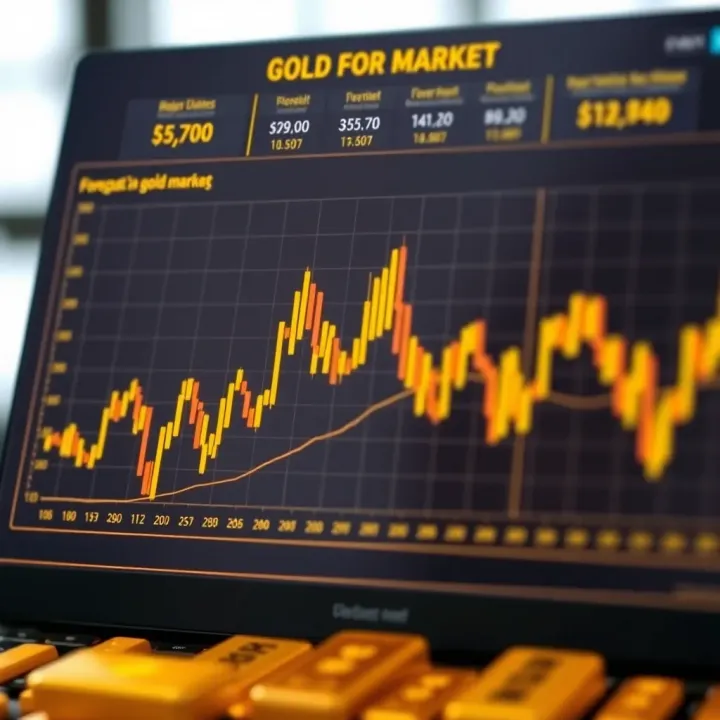
Domestic economic indicators such as inflation, interest rates, and foreign exchange reserves directly affect gold demand and prices. For instance, periods of rising inflation typically see increased gold buying as investors protect their wealth. Conversely, tighter monetary policies with higher interest rates can reduce gold's attractiveness since alternative investments may offer better returns.
Geopolitical tensions, especially in South Asia, also impact gold rates in Pakistan. Political uncertainty or regional conflicts often drive investors towards safe-haven assets like gold, causing price spikes. For example, any unrest along the India-Pakistan border or broader Middle East instability can raise local gold rates.
Local market dynamics cannot be ignored either. Festivals such as Eid or wedding seasons witness a surge in gold purchases, pushing demand up. The import duty and taxes imposed by the government on gold jewellery and bullion affect affordability and supply, influencing prices.
Understanding these multiple layers helps investors and traders in Pakistan make informed choices. It's crucial to watch global gold prices alongside rupee fluctuations, monitor economic indicators from the State Bank of Pakistan (SBP), and keep an eye on regional political developments.
To summarise, Pakistan’s gold rate depends on a blend of external gold market trends, currency movements, economic health, and local demand cycles. Keeping track of these factors allows for better forecasting and smart investment decisions in the gold market.
Understanding current gold price trends in Pakistan helps investors and traders make informed decisions about buying or selling gold. Gold remains a popular safe-haven asset, especially when economic uncertainty or inflation pressures rise. In Pakistan, the gold market is influenced by both local factors like rupee volatility and global events, so staying updated on price movements is essential.
In the past year, gold prices in Pakistan have shown notable fluctuations, often mirroring global precious metal trends but with sharper rises during times of currency depreciation. For instance, when the Pakistani rupee weakened against the US dollar by nearly 20% in mid-2023, gold prices surged from roughly ₹110,000 per 10 grams to ₹130,000 over just a few months. Such movements highlight gold’s role as a hedge against a falling rupee and increased inflation.
This volatility also reflects periodic geopolitical tensions in the region, impacting investor sentiment. During Ramadan and wedding seasons, consumer demand typically boosts gold prices further, demonstrating the combined effect of cultural traditions and market dynamics. Traders should note these seasonal spikes as potential short-term buying or selling opportunities.
Pakistan's gold prices do not move in isolation - they often track regional trends influenced by gold rates in India, the UAE, and global benchmarks like the London Bullion Market Association (LBMA) prices. For example, if LBMA gold prices rise due to global inflation fears, Pakistani gold tends to follow suit after adjusting for import duties, taxes, and currency exchange rates.
Compared to India, Pakistan’s gold price per 10 grams often sits 2-4% higher because of customs duties and local taxes. Meanwhile, countries like the UAE maintain slightly lower prices due to tax benefits and gold re-export business. This regional divergence occasionally opens up arbitrage or import-export opportunities for traders.
Keeping an eye on both local price shifts and international gold market trends is a must for investors who want to time their entry or exit well.
In short, current gold price trends in Pakistan reflect a blend of economic variables, cultural buying patterns, and global market forces. Awareness of these factors allows traders and investors to navigate the gold market with better precision and confidence.
Understanding what drives gold prices in Pakistan helps investors, traders, and finance professionals make informed decisions. Several key factors shape the local gold market, interacting in complex ways. These include economic indicators and inflation levels, currency fluctuations, and geopolitical events both within and outside Pakistan.
Economic signals like GDP growth, interest rates, and inflation rates strongly influence gold prices. When inflation rises, the purchasing power of the Pakistani rupee falls, prompting people to turn to gold as a hedge. For example, in periods where inflation surged to double digits in Pakistan, demand for gold typically increased as people sought to protect savings. Similarly, lower interest rates tend to reduce returns on bank deposits, making gold a more attractive investment. However, if economic growth is strong and stable, investors may favour equity markets over gold.
Since gold is priced internationally in US dollars, the exchange rate between the Pakistani rupee and the dollar directly affects local gold rates. A weakening rupee against the dollar drives up the rupee price of imported gold. For instance, if the rupee depreciates by 5% against the dollar, imported gold costs roughly 5% more in local terms, pushing prices higher. This link means that any sharp change in exchange rates—often due to trade deficits or foreign reserves changes—can quickly shift gold prices in Pakistan. Traders and investors must watch monetary policy decisions by the State Bank of Pakistan (SBP) closely, as they influence currency stability.
Gold tends to act as a safe haven during geopolitical tensions or financial uncertainty. Events like border conflicts, political instability, or sanctions on Pakistan can cause sudden spikes in gold demand. Globally, crises such as US-China trade tensions or Middle East unrest also push international gold prices up, which then ripple through to Pakistan’s market. For example, spikes in gold prices often occur when investors flee from volatile stock markets during a geopolitical crisis. Pakistani investors increasingly react to these external shocks, especially when domestic politics add local uncertainty.
The interaction of these factors makes gold pricing in Pakistan dynamic and occasionally unpredictable. Staying updated on economic reports, currency trends, and world events is vital for making smart decisions in gold trading and investment.
Inflation causes gold demand to rise as a store of value.
Rupee-dollar exchange rates directly affect local gold prices.
Geopolitical tensions boost gold’s safe-haven appeal.
Monitoring these factors helps predict price movements more reliably.
By keeping an eye on these influences, traders and investors in Pakistan can better navigate the gold market and position themselves advantageously.
Gold holds a unique place in Pakistan’s economy and culture, influencing not just personal wealth but also broader market trends. Understanding demand and investment patterns helps traders and investors forecast gold rates more accurately. Demand fluctuates based on social customs, economic conditions, and investor sentiment, making it essential to grasp these dynamics for informed decision-making.
In Pakistan, gold buying is heavily tied to cultural traditions like weddings, Eid celebrations, and gift-giving. Jewellery purchases often spike before these events, driving seasonal demand. For instance, the wedding season from October to February typically sees a surge in gold sales, as families invest in gold as a form of financial security and social status.
Besides celebrations, many households treat gold as a store of value, especially in rural and semi-urban areas where formal banking access is limited. This cultural attachment makes gold a preferred hedge against inflation and currency volatility. Furthermore, local preferences lean towards gold jewellery with more weight and intricate craftsmanship, often outweighing global pure-gold trends.
Jewellery accounts for the bulk of gold consumption in Pakistan, constituting nearly 70% of total demand. Unlike some countries where industrial usage impacts gold prices significantly, Pakistan’s industrial gold demand remains relatively low, limited mainly to electronics and medical applications.
The jewellery industry itself is a major employer, with hubs in cities like Karachi and Lahore shaping supply chains. Fluctuations in global gold prices directly impact retail jewellery pricing, prompting buyers to time purchases carefully. Seasonal promotions by retailers and festive discounts also influence buying cycles.
Gold investment in Pakistan extends beyond physical bars and jewellery to financial products like gold certificates, exchange-traded funds (ETFs), and Islamic gold sukuk. However, due to limited penetration of sophisticated financial products, physical gold remains the preferred investment vehicle.
Recently, the rise of digital platforms has made gold more accessible, allowing smaller investors to buy gold via mobile apps using partial amounts instead of full bullion bars. This trend encourages wider participation and affects demand patterns.
Investors should watch these evolving consumer preferences, as they often signal shifts in gold rate movements in Pakistan.
Foreign exchange fluctuations also push investors toward gold during times of rupee depreciation. For example, when the Pakistani rupee weakens against the US dollar, demand for gold typically rises as it serves as a safer store of wealth.
Understanding these demand drivers helps predict short- and long-term market behaviour, enabling traders and investors to make better-informed decisions about their gold holdings in Pakistan.
Forecasting gold rates in Pakistan is essential for investors, traders, and consumers who rely on accurate data to make sound financial decisions. Given the volatile nature of gold prices influenced by both local and global factors, having a forecast allows stakeholders to anticipate shifts and plan purchases or sales effectively. For example, jewellery businesses in Karachi or Lahore depend on these predictions to optimise inventory and pricing strategies, while investors use forecasts to time their entry or exit from gold assets like sovereign gold bonds or ETFs.
Short-term forecasts focus on immediate trends driven by recent economic data and market movements. Currently, Pakistan's gold rates are sensitive to currency fluctuations, particularly the Pakistani rupee's movement against the US dollar. For instance, if the rupee weakens due to import pressures or political uncertainty, gold prices tend to spike as importing gold becomes costlier. Inflation figures released monthly also impact demand; rising inflation often pushes retail consumers towards gold as a hedge, pushing prices up briefly.
Besides domestic influences, short-term global factors such as changes in the US Federal Reserve's interest rates affect gold returns. A recent pause or cut in interest rates usually increases gold's appeal, raising prices in Pakistan over the next few weeks. Traders closely track such developments alongside commodity futures to adjust their positions swiftly.
Long-term forecasts take a broader view, factoring in Pakistan's economic growth projections, fiscal policies, and political stability. For example, consistent fiscal deficits or persistent inflation over the next few years could encourage sustained investment in gold, driving prices higher. On the political front, instability or policy shifts affecting foreign exchange reserves could weaken the rupee, indirectly inflating gold rates.
Structural changes also matter, such as the expansion of digital gold platforms or government incentives for gold investment, which can alter demand patterns over time. For instance, greater adoption of gold-related financial products might lead to more stable, long-term price increases by opening gold investment to a wider population.
Predicting gold rates requires combining these economic and geopolitical variables, not just focusing on isolated indicators. Experienced investors blend both short-term signals and long-term trends to balance risk and opportunity.
In summary, accurate forecasting enables more informed decisions in Pakistan's gold market, helping participants navigate uncertainties while capitalising on favourable conditions.
Understanding practical advice is vital for anyone interested in gold investment or purchase in Pakistan. The gold market is influenced by various factors like economic shifts, currency value changes, and global tensions. Hence, investors and consumers need clear guidance to make informed choices and avoid common pitfalls.
When it comes to gold investment, risks and opportunities coexist closely. One significant risk is the volatility caused by fluctuations in the Pakistani Rupee against the US Dollar. For example, a sudden devaluation of the rupee can cause a steep rise in gold prices almost overnight, impacting short-term investors negatively if they are unprepared. Conversely, this same scenario may present an opportunity for long-term holders to benefit from increased asset value.
Moreover, geopolitical uncertainties—such as tensions with neighbouring countries—can cause unpredictable price swings. Investors must stay updated about these developments and avoid impulsive decisions based on short-term price movements alone.
It's also important to note that while gold is generally considered a safe haven, it does not guarantee high returns like equity markets might. Investors should carefully evaluate their financial goals and consider gold as a part of a diversified portfolio, not the whole.
Gold investment carries both promise and risk; understanding when and how to enter the market is key.
To protect your investment and ensure authenticity, always buy gold from reputable jewellers or certified dealers. In Pakistan, trusted names like Karachi-based jewellery shops with established reputations provide reliable purity and certification.
Consider the time of purchase carefully. Seasonal fluctuations occur around festivals like Eid or weddings when demand surges, often pushing prices higher. Buying during off-peak periods can help you avoid paying a premium. Additionally, monitor daily gold rate updates from reliable sources before sealing any deal.
For sellers, timing also matters. Selling during price peaks, often driven by global cues or local economic news, can maximise returns. Using gold hallmarked by Pakistan Standards & Quality Control Authority (PSQCA) ensures smoother transactions and fair valuation.
Keep documentation of purchase and sale transactions handy, as it helps in verifying ownership and aids in resolving disputes if any arise.
Ultimately, whether buying or selling, staying informed and cautious will protect your money and provide better control over investment outcomes.
📉 Explore key factors shaping the US dollar to PKR rate in Pakistan, from economic policies to forex reserves and global trends shaping future exchange rate movements.
Stay updated on tomorrow's gold rate in Pakistan 💰. Learn key factors that influence prices, where to find reliable info, and what it means for buyers & investors.
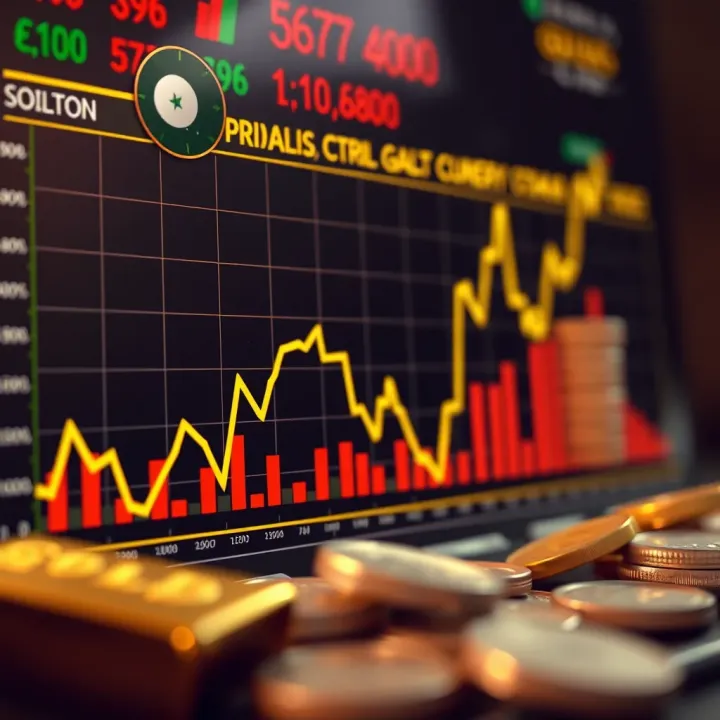
📈 Explore gold price trends in Pakistan, factors affecting demand like economy and currency, plus how global events influence future gold investments and market outlook. 💰
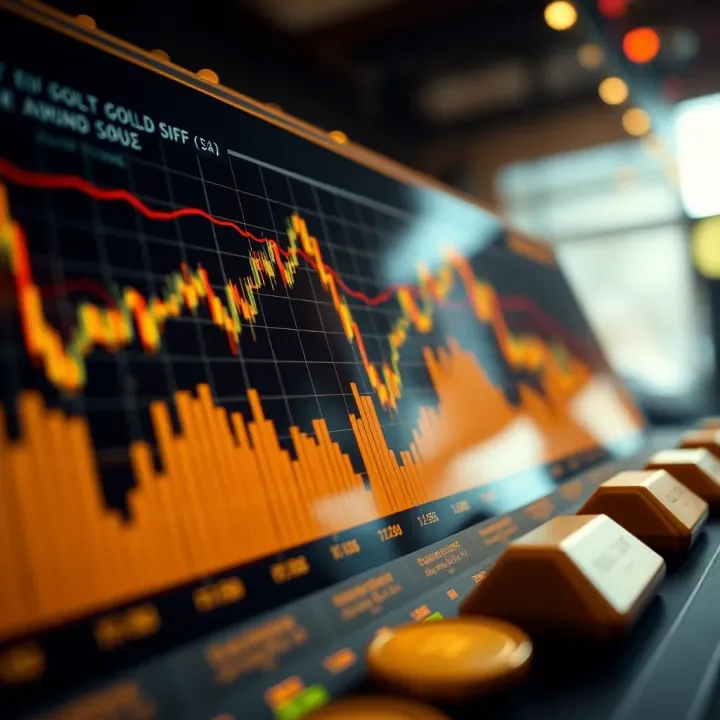
Explore key insights on XAUUSD 💰 with gold price forecasts influenced by economic data, market trends, and geopolitical events for smarter trading decisions in Pakistan.
Based on 14 reviews