

Understanding Gold Rates and Their Impact in Pakistan
Discover how gold rates are set in Pakistan, tips for buyers and investors, and ways to track prices effectively 📈💰 Know your gold market better!
Edited By
Edward Bennett
Understanding the dollar's trajectory against the Pakistani rupee is critical for traders, investors, and finance professionals. The exchange rate influences everything from inflation to foreign investment flows and trade balances. Predicting its movement helps stakeholders manage risks and seize opportunities in Pakistan’s volatile economic climate.
Several factors weigh on the dollar-rupee rate. Domestic economic indicators such as inflation figures, trade deficits, foreign exchange reserves, and government policies to stabilise the economy all play a role. For instance, rising inflation in Pakistan typically weakens the rupee, pushing the dollar higher due to decreased purchasing power.
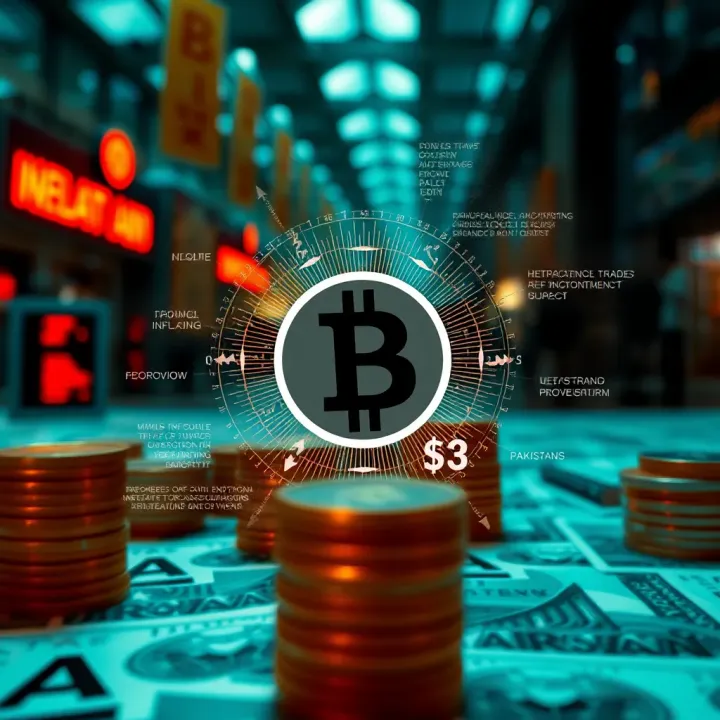
On the international front, US monetary policy and global commodity prices add layers of complexity. When the Federal Reserve raises interest rates, emerging market currencies like the Pakistani rupee often face depreciation pressure, as investors seek higher returns in US assets.
The dollar's strength or weakness impacts Pakistan’s import costs directly, especially for oil and machinery, which account for a large portion of foreign trade. A weaker rupee raises the price of imports, fuelling inflation and affecting everyday consumer prices.
Government interventions, including foreign loan agreements and remittance flows from overseas Pakistanis, also buffer or intensify currency volatility. Remittances, worth over $30 billion annually, provide crucial dollar inflows that help bolster reserves and support the rupee.
Key economic indicators to watch closely include:
State Bank of Pakistan's policy rate changes: Affect capital flows and currency demand
Foreign exchange reserves: A healthy reserve signals greater ability to defend the rupee
Trade balance data: Persistent deficits strain the currency
Inflation trends: Higher inflation often leads to rupee depreciation
Federal Reserve decisions: Influence global dollar demand
Monitoring these elements offers actionable insights to anticipate exchange rate shifts. As instability persists, preparing for fluctuations can save investors potential losses or position them to benefit from favourable movements.
In the following sections, we will break down these influences in detail and map out expected trends for the dollar against the Pakistani rupee, helping you stay ahead in your financial planning and investment strategies.
Understanding the current position of the US dollar against the Pakistani rupee is vital for traders, investors, and finance professionals. This exchange rate reflects the immediate health of Pakistan’s economy as well as the ripple effects of global economic forces. Especially for businesses involved in imports, exports, and remittances, knowing the dollar's value helps in planning budgets, pricing goods, and managing currency risk.
The Pakistani rupee-dollar exchange rate can show notable fluctuations on a monthly basis due to shifts in trade balance, inflation, or foreign investment flows. For instance, in the recent months of 2024, the rupee depreciated against the dollar by nearly 2% mainly because of higher oil import bills and a dip in remittance inflows. Such monthly swings directly affect prices of imported raw materials and consumer goods, making it crucial for businesses to monitor these trends closely for cost forecasting.
Global factors heavily influence Pakistan’s dollar exchange rate. Movements in the US dollar index, changes in Federal Reserve interest rates, and geopolitical events like tensions in the Gulf region can lead to swift currency adjustments. For example, when the US dollar strengthens worldwide due to a Fed rate hike, the Pakistani rupee often weakens as traders move towards dollar assets. This effect trickles down to Pakistan’s trade competitiveness and inflation, underscoring why global market awareness is key for both policymakers and investors.
Looking back at the last five years, the rupee-dollar rate has generally shown a steady depreciation trend, averaging around 8–10% annually. Events like economic reforms in 2019 and balance of payments crises in 2022 caused sharper dips. Recognising these patterns helps in predicting medium-term currency direction and assessing when the rupee might stabilise.
Major shifts in the exchange rate often align with policy changes or external shocks. For instance, the rupee’s sharp fall in early 2022 coincided with reduced foreign direct investment and soaring trade deficits. Conversely, in 2020, government interventions including increased SBP reserves helped soften volatility. Understanding these turning points allows financial professionals to anticipate market reactions during similar future events.
Monitoring the current exchange rate alongside historical context and global factors provides a comprehensive picture that guides better financial and trading decisions in Pakistan’s dynamic economic environment.
The value of the US dollar against the Pakistani Rupee (PKR) hinges on a variety of factors that directly impact Pakistan's economic landscape. Understanding these drivers is crucial for traders, investors, and finance professionals aiming to anticipate exchange rate movements and manage associated risks effectively.
Inflation rate trends
Inflation plays a central role in currency valuation. When Pakistan experiences high inflation, the purchasing power of the rupee diminishes, causing the dollar to strengthen against it. For example, persistent inflation above the SBP's target rate generally pushes import costs higher, and the demand for dollars to pay for these imports rises, further weakening the PKR. Tracking monthly Consumer Price Index (CPI) reports provides traders insight into likely currency trends.
Balance of payments situation
Pakistan's balance of payments (BoP) reflects the flow of goods, services, and capital in and out of the country. A current account deficit, often caused by higher imports compared to exports, increases demand for foreign currency, putting depreciation pressure on the PKR. In contrast, surpluses can support the local currency. For instance, when remittances rise or exports perform well, they help improve the BoP, offering temporary relief to the rupee.
Foreign exchange reserves status
Reserves held by the State Bank of Pakistan act as a buffer against currency volatility. Healthy reserves enable the SBP to intervene in the foreign exchange market, calming excessive fluctuations and meeting import financing needs. A rapid decline in reserves signals vulnerability, alarming investors and speculators who may then move their capital out, accelerating PKR depreciation. Current reserve levels are closely watched as indicators of market confidence.
Monetary policy and interest rates from SBP
The State Bank of Pakistan’s decisions on interest rates influence currency demand directly. Higher policy rates tend to attract foreign capital seeking better returns, supporting PKR. Conversely, rate cuts might weaken the currency but can incentivise economic activity. For example, recent SBP hikes aim at curbing inflation but also strengthen the rupee by making PKR assets more attractive.
Fiscal measures and tax policies
Government borrowing and spending affect inflation and currency stability. If fiscal deficits widen without adequate funding, the risk of printing money or excessive borrowing from the central bank increases, fuelling inflation and PKR weakness. Rationalising tax policies to broaden the base and improve revenue can help reduce deficits, stabilising the currency. Clear tax reforms signal fiscal discipline to investors, bolstering confidence.
Trade restrictions and import regulations
Government restrictions on certain imports, such as luxury goods or non-essential items, help conserve foreign exchange. While these controls limit the outflow of dollars, they can also disrupt supply chains and sometimes inflate prices locally. For example, tightening import licensing or raising tariffs can temporarily ease demand for dollars but might challenge exporters reliant on imported inputs.
US economic policies and dollar strength
Given the dollar’s global reserve status, US Federal Reserve policies heavily influence the USD-PKR rate. When the Fed raises interest rates, the dollar strengthens worldwide, pressuring emerging market currencies like the PKR. Pakistanis watching the Fed's announcements can expect ripple effects on remittances and capital flows, which directly impact local currency demand.

Oil prices and remittances
Pakistan’s heavy reliance on imported oil means fluctuations in global oil prices have immediate effects on import bills and forex demand. Rising oil prices increase the dollar needed for fuel imports, straining reserves and weakening the PKR. At the same time, remittances from overseas Pakistanis, often sent in dollars, provide a vital source of forex. Fluctuating remittance volumes can either cushion or exacerbate currency pressures.
Geopolitical tensions and regional stability
Security concerns and political uncertainty in the region make investors cautious, often leading to capital flight and PKR depreciation. For instance, tensions with neighbouring countries can affect trade routes and investor confidence, impacting foreign direct investment and Pakistan’s forex inflows. This uncertainty makes the rupee vulnerable to sudden swings in the forex market.
These factors together interlock to shape the US dollar's value against the Pakistani rupee. Recognising their interplay helps traders and professionals navigate volatile markets with better judgement.
Understanding forecast models and expert predictions is essential for anyone involved in Pakistan's financial markets. These forecasts shed light on possible shifts in the US dollar against the Pakistani rupee, helping traders, investors, and businesses plan ahead effectively. With currency movements often influenced by a mix of domestic policies and global events, forecasts offer a framework to anticipate changes rather than react to them only after they occur.
Local banks such as Habib Bank Limited (HBL) and MCB often publish monthly outlooks on the PKR-USD exchange rate. These reports consider current economic indicators like inflation, foreign reserves, and government policies. For instance, when the State Bank of Pakistan (SBP) adjusts interest rates, banks recalibrate their forecasts to reflect the expected impact on the dollar's value. These predictions assist corporate clients in timing their foreign currency transactions better and managing risks related to imports or foreign debt servicing.
International institutions like the International Monetary Fund (IMF) and World Bank add another layer of insight. Their outlooks incorporate broader considerations such as global economic trends, US monetary policies, and geopolitical risks affecting Pakistan. For example, if the US Federal Reserve hints at raising interest rates, these institutions predict a strengthening dollar, which may put more pressure on the PKR. Businesses and financial professionals monitor these reports to align their strategies with global currency movements.
Investor behaviour plays a significant role in currency fluctuations. In Pakistan, foreign exchange traders and fund managers react quickly to news on political stability, economic releases, and policy announcements. During uncertain periods, for example before an election or IMF review, cautious behaviour typically leads to reduced PKR demand, weakening it against the dollar. Understanding these patterns helps market participants anticipate short-term volatility and act accordingly.
Speculative trading can amplify these movements beyond what fundamentals suggest. Currency speculators often engage in rapid buying or selling, driven by expectations rather than actual economic changes. This can cause sharp spikes or dips in the dollar-rupee rate within a day. While this increases unpredictability, experienced investors use tools like forward contracts or options to hedge against sudden swings induced by speculative trades.
Accurate and timely forecast models combined with understanding market sentiment allow financial professionals to navigate Pakistan’s volatile currency market with greater confidence.
Overall, keeping an eye on expert forecasts alongside the sentiment-driven forces provides a well-rounded view of the dollar’s trajectory for Pakistan's economy.
Fluctuations in the US dollar against the Pakistani rupee have immediate and long-term effects on the country's economic landscape. These shifts influence inflation rates, living costs, trade dynamics, and investment flows, making it vital for traders, investors, and policymakers alike to monitor dollar movements closely.
Since Pakistan relies heavily on imports like fuel, machinery, and raw materials priced in dollars, a depreciation of the rupee directly raises their cost. For example, if the dollar strengthens by 5%, import prices can spike accordingly, forcing businesses to pay more for these essentials. This increase reflects in production costs and eventually consumer prices.
Higher import costs often trickle down to finished goods, especially electronics, medicines, and food items that depend on imported ingredients or components. Pakistani households notice this as rising prices for everyday items at bazaars and supermarkets. Even local producers facing increased input costs may pass these on, pushing inflation higher and straining family budgets.
Currency swings create uncertainty for both exporters and importers. Exporters may benefit when the rupee weakens, as their goods become cheaper abroad, but if volatility persists, planning shipments and pricing gets complicated. Importers, meanwhile, find it difficult to budget, especially when contracts are long-term, risking higher costs or contract losses.
Trade deals require stable terms; sudden rupee-dollar shifts disrupt this equilibrium. For instance, importers may hesitate to commit to agreements if currency risks lead to unpredictable expenses. Exporters might lose competitive edge if instability scares international buyers, causing renegotiations or delays in shipments.
Sharp dollar fluctuations can dent investor confidence, as uncertainty over currency value raises risks on returns. Foreign investors deciding between Pakistan and neighbouring markets seek stability. Significant volatility often results in capital outflows, reducing foreign exchange reserves and pressurising the economy further.
Businesses respond by adjusting procurement practices, favouring hedging tools like forward contracts to manage risk. Some may shift towards sourcing locally or diversify currency exposure to reduce reliance on the dollar. For example, exporters sometimes price contracts in rupees or other currencies to avoid direct dollar exposure.
Understanding these implications helps stakeholders anticipate challenges and adapt strategies for better resilience in Pakistan’s shifting economic environment.
Monitoring essential import prices aids inflation management.
Managing currency risk is critical for trade and investment stability.
Businesses and investors must plan for fluctuating exchange rates to protect assets and maintain competitiveness.
Managing risks related to dollar fluctuations is essential for Pakistan’s economy, businesses, and investors. With the US dollar’s value against the Pakistani rupee constantly shifting due to both domestic and international factors, adopting effective strategies helps reduce financial uncertainty. These strategies not only stabilise economic activities but also help protect profits and purchasing power.
The State Bank of Pakistan (SBP) plays a critical role in managing the country’s foreign currency reserves. These reserves act as a buffer, allowing the central bank to intervene in the currency market to support the rupee during excessive volatility. For example, when the dollar surges sharply, SBP may use its reserves to sell dollars and buy rupees, preventing a sudden depreciation that could hurt importers and increase inflation.
Maintaining adequate reserves is vital since depleted reserves limit the SBP’s ability to stabilise the rupee. Pakistan’s experience with reserves dropping below the three-month import cover threshold in the past shows how risky this can be. Effective reserve management requires balancing reserve levels against external debt obligations, import needs, and the stability of the local currency.
SBP’s exchange rate policy influences how freely the rupee moves against the dollar. Pakistan traditionally follows a managed float system where the rupee’s value is guided by market forces but can be adjusted or controlled through interventions. In certain situations—with sharp capital outflows or speculative attacks—the SBP may impose temporary controls, like restrictions on dollar purchases or limits on foreign currency withdrawals.
These policies provide a tool to control excessive volatility but need cautious use to avoid disrupting trade or investment flows. For instance, strict controls may deter foreign investors or push foreign currency transactions into the informal market, affecting transparency. Thus, exchange rate policies must strike a balance between market stability and openness.
Businesses and investors exposed to dollar fluctuations often use hedging to reduce risk. This involves financial tools like forwards, futures, or options contracts that lock in an exchange rate for future transactions. For example, an exporter in Karachi expecting payment in dollars in three months might enter a forward contract to fix the rupee value now, avoiding losses if the rupee weakens unexpectedly.
Hedging protects profit margins and cash flow planning, especially for companies with tight budgets. However, these tools require an understanding of market conditions and sometimes come with costs that must be managed carefully.
Another key risk management strategy is avoiding concentration in a single foreign currency. For Pakistani companies or investors, diversifying exposure across different currencies (such as euro, pound, or UAE dirham) spreads the risk related to any single currency’s movement. For instance, a multinational firm operating in Pakistan may invoice certain suppliers in euros while others remain in dollars.
This approach reduces vulnerability if the US dollar suddenly strengthens due to global factors beyond local control. While diversification can’t eliminate currency risk completely, it makes difficulties more manageable by not putting all eggs in one basket.
Carefully combining government actions with corporate risk strategies is essential to withstand the uncertainty of dollar movements in Pakistan. These measures help stabilise the economy and support ongoing business operations despite exchange rate volatility.
The shifting dollar value has a noticeable impact on both households and businesses in Pakistan. Understanding these changes helps consumers manage daily costs and savings better, while businesses can adjust their operations to avoid losses and capitalise on opportunities.
Many Pakistani families depend on remittances sent from abroad, mainly in US dollars. When the dollar strengthens against the rupee, these remittances stretch further, allowing families to cover more expenses or save extra. That said, sudden reversals can reduce the rupee equivalent, complicating household budgets. Households should consider keeping some savings in dollar-denominated accounts or trusted foreign currency instruments to protect against rupee depreciation.
Likewise, when planning savings, individuals should track the SBP’s announcements about interest rates and currency stability. For example, bank deposits offering returns above inflation help preserve the purchasing power, especially when everyday prices rise due to dollar-driven import costs.
Price swings in essential goods often follow dollar movement because Pakistan imports a bulk of its raw materials and finished products. When the dollar rises rapidly, prices for petrol, medicines, and even food staples can jump sharply. Consumers should buy essential non-perishable items in advance during stable periods to hedge against sudden price hikes.
Additionally, staying informed about government subsidies or relief packages announced after sharp currency movements can help families plan expenses better. Budgeting with a margin for inflation-driven price changes is wise in today’s environment.
Businesses importing goods or raw materials must constantly review their costs as dollar rates fluctuate. Firms that pre-negotiate fixed prices in dollar terms or make use of hedging tools such as forward contracts face less unpredictability. This method gives clearer forecasts for cost and pricing.
For example, a Faisalabad-based textile company importing machinery parts can agree on a dollar price upfront, avoiding last-minute cost burdens due to currency jump. Such pricing strategies help maintain competitiveness both domestically and abroad.
Companies dealing with exports benefit when the rupee weakens, as their goods become cheaper abroad. However, fluctuating exchange rates can disrupt contract values. Exporters must carefully time shipments and contracts to maximise returns, sometimes invoicing in dollars to stabilise revenue.
Conversely, importers face higher costs during dollar surges. Planning bulk imports during relatively stable or favourable rates reduces continuous exposure. Some businesses may also diversify suppliers from countries with more favourable currency arrangements to lessen dependence on the dollar.
Businesses and consumers alike need active currency risk management strategies to navigate Pakistan’s volatile dollar landscape effectively.
By keeping these practical considerations in mind, Pakistani households and businesses can better cope with the challenges and opportunities presented by ongoing dollar fluctuations.
Discover how gold rates are set in Pakistan, tips for buyers and investors, and ways to track prices effectively 📈💰 Know your gold market better!
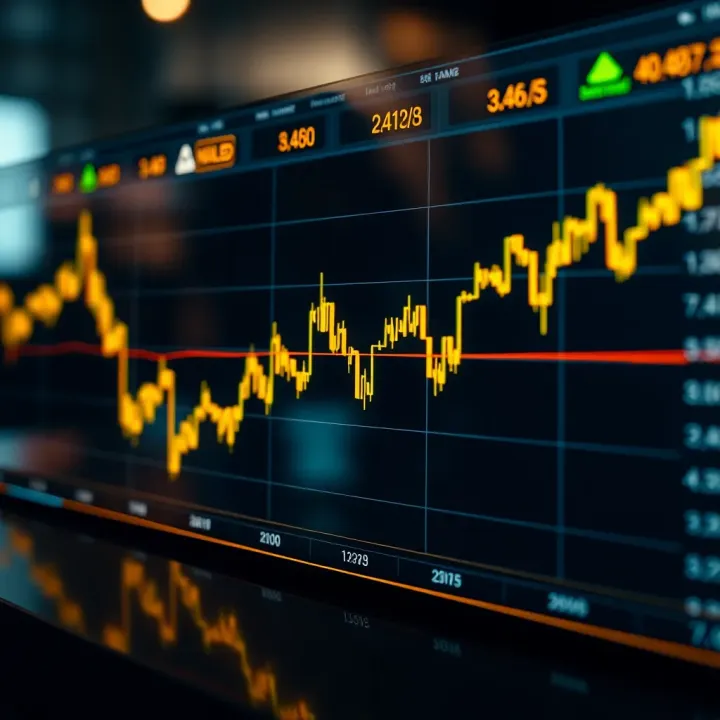
📈 Explore current XAU/USD trends with updates on gold prices, key economic factors, technical analysis, and impacts of geopolitics & US dollar moves.

📈 Explore ApeCoin price trends, market analysis, and key factors shaping its future value to make smart investment choices in crypto. 💰
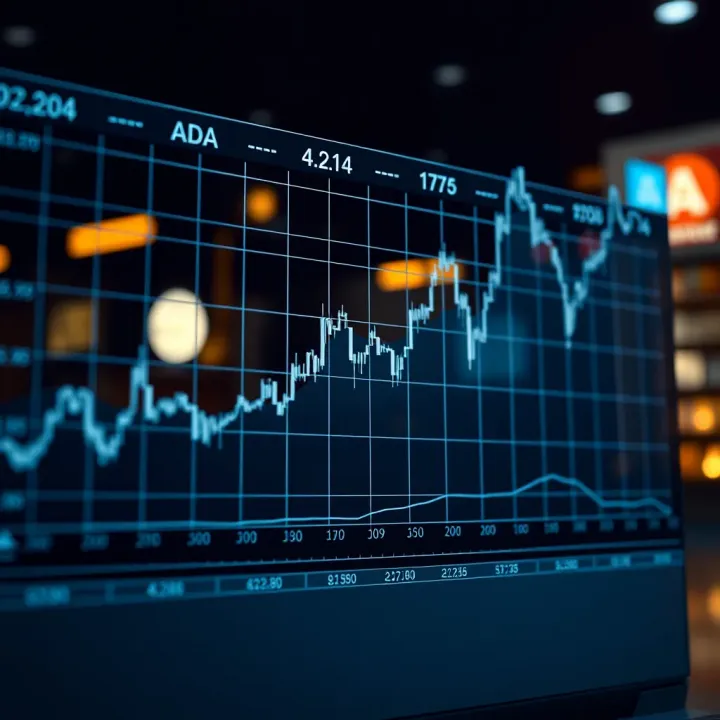
📊 Explore detailed ADA Cardano price prediction and expert analysis for Pakistan investors. Understand market trends, historical data & future insights. 🚀
Based on 15 reviews