

Understanding Gold Signals for Better Investment Choices
🔍 Understand gold price signals in India: economic trends, geopolitical impacts, and market indicators to make smarter investment choices with confidence and clarity.
Edited By
Ethan Murray
Gold remains one of the most sought-after assets for Indian investors, celebrated for its ability to hedge against inflation and currency volatility. However, understanding when to buy or sell gold requires more than just guessing the price. This is where gold signals come into play. These signals offer practical clues derived from market data and trends, helping investors make smarter decisions rather than relying on luck.
Gold signals include a mix of technical and fundamental indicators. Technical signals arise from price charts and trading volumes, revealing patterns like support and resistance levels or moving averages. For instance, if gold prices break above a key resistance point consistently, it may signal an upward trend. Fundamental signals consider economic factors such as global demand, geopolitical tensions, interest rates, and India's import policies—all of which shape gold’s price.
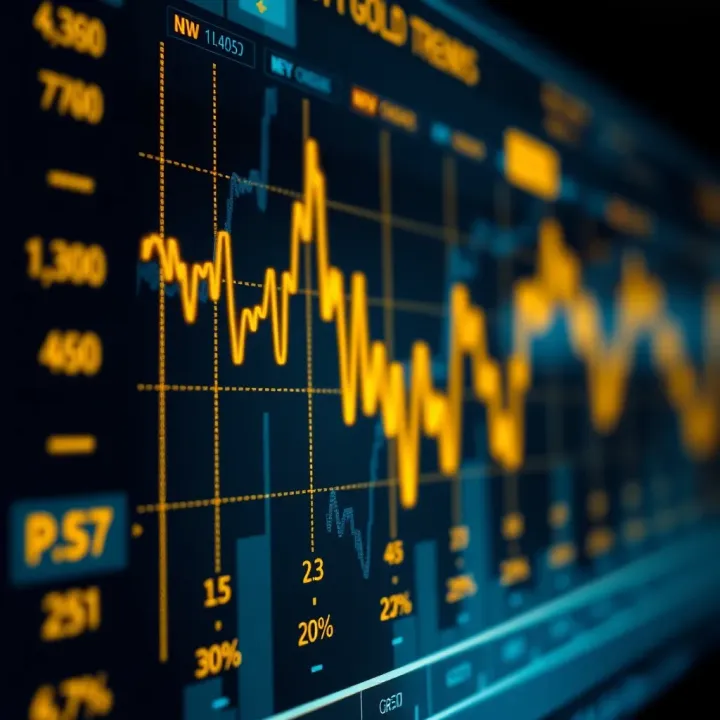
Reading gold signals enables timely responses to market developments, which is vital in India’s dynamic investment environment where festivals, monsoons, and government policies can impact demand sharply.
India’s gold market is unique with distinct features:
High retail demand during festivals and weddings drives seasonal price movements.
Import duties and taxes directly affect the domestic price.
Currency fluctuations (INR vs USD) influence international gold prices translated locally.
Investors commonly use tools such as the Moving Average Convergence Divergence (MACD), Relative Strength Index (RSI), and candlestick charts to track price momentum. For example, an RSI above 70 might indicate gold is overbought and due for correction, signalling sellers to proceed cautiously.
Practically, integrating gold signals in your portfolio means combining these cues with your investment horizon and risk appetite. A trader might react to a short-term breakout, while a long-term investor may wait for confirmation from multiple indicators.
Ultimately, the goal of understanding gold signals is to reduce guesswork and enhance confidence in timing market entries and exits. This knowledge supports more disciplined investing, avoiding emotional decisions driven by market noise.
Now that the basics are clear, we can explore how these signals are generated, their significance, and how to use them effectively in India’s gold investment landscape.
Gold signals are specific indicators or patterns that help investors predict price movements in the gold market. These signals matter because gold is not just a commodity; it's a key investment asset that reacts to various economic, geopolitical, and market factors. Understanding gold signals allows investors to make timely, informed choices about buying or selling, reducing guesswork and potential losses.
For instance, if an indicator shows increasing gold demand amid rising inflation in India, traders can anticipate price hikes and adjust their portfolios accordingly. In essence, gold signals serve as navigational aids in the often volatile gold market.
Gold market indicators include economic data, price trends, and trading volumes that reflect the demand-supply balance. These are tailored to gold’s unique position as a safe haven, often reacting to inflation changes, currency fluctuations, and geopolitical tensions. For example, when the Indian rupee weakens against the dollar, gold prices in India tend to rise, which is an important indicator for local investors.
Tracking such indicators helps investors understand whether gold prices are likely to go up or down, enabling smarter investment decisions. This knowledge is especially useful in India, where gold holds cultural importance and often behaves differently from other international markets.
Traders use both technical and fundamental signals. Technical signals come from chart patterns and statistical tools like moving averages or Relative Strength Index (RSI). For example, a crossover in moving averages might signal a buying opportunity.
Fundamental signals, on the other hand, stem from economic events like changes in RBI’s monetary policy or global crises that affect gold demand. Indian investors might watch gold imports data or festival seasons, as these also serve as practical signals impacting local gold prices.
Gold signals guide investors on when to enter or exit the market. For instance, a bullish signal—like a strong upward trend confirmed by volume—suggests buying gold might be profitable. Conversely, a bearish signal warns investors to consider selling or holding back.
These signals help avoid impulsive decisions based on rumours or emotions, especially in fast-moving markets like the Indian gold scene during the festive season, where demand spikes sharply.
Using gold signals to time trades can reduce unwanted volatility in an investor’s portfolio. By responding to signals, investors can set stop-loss limits or adjust their gold holdings to balance risk.
For example, if signs point to an upcoming price drop, a risk-averse investor may reduce exposure to gold and shift to more stable assets. This approach protects the portfolio against sudden market swings, which are common in commodities like gold.
Gold signals help make gold investment less of a gamble and more of a calculated strategy, vital for managing risks in India’s unique market conditions.
This understanding equips investors with practical tools to navigate gold markets confidently and safeguard wealth effectively.

Gold prices rarely move randomly—they respond to a mix of economic, political, and market forces. Understanding these drivers helps investors and traders make better decisions when interpreting gold signals. For instance, knowing why prices jump during times of economic uncertainty can guide whether to buy or hold back.
Global economic indicators play a direct role in shaping gold prices. When economies slow down or face recession risks, gold often becomes a safe haven. For example, during the 2008 global financial crisis, the uncertainty pushed gold prices higher as investors moved funds from stocks to metals. Key indicators like GDP growth rates, employment data, and manufacturing output can hint at shifts in economic health, influencing demand for gold.
Currency fluctuations and inflation significantly affect gold’s appeal and cost. Since gold is priced internationally in US dollars, a weaker dollar tends to make gold cheaper for buyers holding other currencies, boosting demand and prices. Conversely, India imports massive quantities of gold, so a weaker rupee makes gold costlier here. Inflation plays a twin role: as inflation rises, gold often attracts investors looking to preserve purchasing power. For instance, when inflation in India edged up in 2022, many individuals turned to gold as a hedge, pushing domestic prices.
Geopolitical events affecting gold can prompt sudden price swings. Conflicts, trade disputes, or political instability create uncertainty, making gold a preferred store of value. Take the Ukraine crisis in early 2022; the tensions sent gold prices to multi-year highs globally and in India itself. Keeping an eye on such events enables investors to anticipate price movements driven more by fear and risk aversion than economic fundamentals.
Price patterns and trend analysis help decode gold’s recent behaviour and possible future direction. Investors track formations like head and shoulders, double tops or bottoms to spot reversals or continuations. For instance, a consistent uptrend on a daily chart supported by higher lows signals bullish momentum. This technical view complements fundamental analysis by offering timely entry or exit points.
Volume and momentum indicators give clues about the strength behind price moves. High trading volumes during price rises suggest genuine demand, whereas subdued volumes could mean a weak rally likely to reverse. Momentum tools like the Relative Strength Index (RSI) show if gold is overbought or oversold, helping investors avoid buying at peaks. For example, seeing RSI above 70 might prompt caution, signalling an overextended market.
Combining fundamental factors with technical patterns provides a clearer picture, enabling investors to understand not just why gold prices move but how to respond to those moves effectively.
In sum, tracking these key factors sharpens your ability to read gold signals accurately, improving timing and risk management in your investments.
In the world of gold trading and investment, knowing what tools and methods to use to read gold signals can make a big difference. These instruments help investors make sense of market data, spot trends early, and time their moves better. Without proper tools, following the gold price might feel like shooting in the dark.
Moving averages and MACD are handy ways to smooth out the daily ups and downs of gold prices and reveal the bigger patterns. A moving average shows the average price over a set period, like 50 days, helping investors see if the momentum is up or down. The MACD (Moving Average Convergence Divergence) takes this further by signalling changes in trend direction, which can help decide when to buy or sell. For instance, when the MACD line crosses above its signal line, it’s often seen as a buy signal.
The relative simplicity of these tools makes them favourites among traders but relying on them alone is risky. They work best when combined with other indicators to confirm signals and avoid false alarms.
Relative Strength Index (RSI) measures the speed and change of price movements to tell whether gold is overbought or oversold in the short term. RSI values above 70 usually mean the gold price might be peaking, indicating a possible sell opportunity, while values below 30 suggest oversold conditions where prices might bounce back. A trader watching gold might notice the RSI climbing above 70 and prepare for a price correction soon.
RSI is especially useful in volatile markets like gold, helping investors avoid chasing prices that have already moved too far in one direction.
Support and resistance levels mark price points where gold historically finds buying (support) or selling pressure (resistance). These levels guide traders to decide entry or exit points. For example, if gold keeps bouncing back from ₹50,000 per 10 grams, it suggests strong support at that level. Conversely, repeated failures above ₹53,000 might hint at resistance preventing further rises.
Knowing these levels helps investors avoid panic selling during minor dips and hold out for clearer signals.
Reviewing economic reports and gold demand data involves looking at factors like inflation rates, currency strength, and jewellery demand, especially in the Indian context. High inflation or a weak rupee tends to push investors towards gold as a safe asset, driving prices up. For example, reports showing rising urban jewellery sales during the wedding season can hint at increased future demand and higher gold prices.
Fundamental analysis helps investors understand the ‘why’ behind price moves, not just the numbers on charts. It’s especially valuable for long-term investment decisions.
Tracking global central bank policies gives insight into gold’s direction, since decisions on interest rates and reserves influence demand. When the Reserve Bank of India or the US Federal Reserve adjusts rates, gold reacts. Rate hikes usually raise bond yields, making gold less attractive, while rate cuts can boost gold prices as an alternative investment.
Central banks also buy and sell gold reserves, affecting supply-demand balance. Knowing their moves helps anticipate market shifts rather than just reacting to price changes.
Using a mix of technical and fundamental tools allows investors to read gold signals more clearly and make wiser decisions aligned with both market momentum and underlying economic factors.
This balanced approach improves chances of success while managing risks in the often volatile gold market.
Applying gold signals effectively can help investors make better decisions and improve returns over time. Understanding when to buy or sell based on these signals allows you to time the market with more confidence. It also aids in managing risks, ensuring your portfolio is well-balanced, especially in a volatile market like gold.
Recognising bullish and bearish indicators involves identifying patterns or signals that suggest the price of gold is likely to rise or fall. For example, a sustained increase in the Relative Strength Index (RSI) above 70 often points towards an overbought market, signaling a potential pullback—a bearish sign. On the other hand, moving averages crossing over each other can indicate a bullish trend. For instance, when the short-term 20-day moving average crosses above the long-term 50-day moving average, it hints at rising prices ahead.
These indicators help traders spot entry or exit points. Consider an investor who notices a strong upward crossover of the 20-day and 50-day moving averages combined with increasing volumes. This combination often confirms a bullish signal, suggesting it might be wise to buy gold or add to holdings at that point.
Combining multiple signals for confirmation is vital to avoid false alarms. A single indicator can sometimes mislead due to market noise. Successful investors look for agreement among various tools before making a decision. For instance, pairing the RSI with MACD (Moving Average Convergence Divergence) can offer clearer insight. If RSI suggests gold is bullish but MACD shows bearish momentum, it’s usually better to wait.
Using more than one signal reduces the risk of acting on misleading data. Traders often wait for at least two or three indicators to align, ensuring greater confidence. This approach also fits well in the Indian market, where local seasonal demand or global factors might distort single indicators.
Setting stop-loss and profit targets based on gold signals protects investors from large losses and locks in gains. For instance, after buying gold following a bullish signal, setting a stop-loss 2 per cent below the entry price helps limit downside if the market reverses. Similarly, a profit target can be established using resistance levels or historical highs.
This disciplined approach stops emotions from driving decisions during sudden price swings. For example, if gold reaches a resistance level and shows signs of slowing momentum, selling at a pre-set profit target secures returns rather than waiting for uncertain further gains.
Diversification strategies involving gold investments reduce overall portfolio risk. Although gold often acts as a hedge against inflation and currency fluctuations, relying solely on it can be risky. Integrating gold with equities, fixed income, or real estate spreads risk.
Within gold investments, diversification refers to holding various forms: physical gold, sovereign gold bonds, and gold ETFs. Each comes with different liquidity, tax implications, and risk profiles. For Indian investors, balancing these forms with other assets helps ensure stability even when gold signals shift unexpectedly.
Impact of Indian festivals and seasons on gold demand is significant. Festivals like Diwali, Akshaya Tritiya, and wedding seasons generally boost demand, pushing prices up temporarily. During these times, gold signals might show strong bullish trends, but investors should be cautious of short-term spikes due to seasonal demand rather than fundamental strength.
For instance, buying gold just before Diwali based on signals might work well, but holding through the festival rush requires careful monitoring to avoid overpaying. Likewise, post-festival price corrections are common.
Regulatory and tax factors affecting gold investments also shape investor decisions in India. Gold sovereign bonds, for example, offer interest income and capital gains tax benefits, making them attractive alongside physical gold. However, the Goods and Services Tax (GST) on physical gold purchases can add to costs.
Investors should factor in such costs and regulations when interpreting gold signals. For example, a technically strong buy signal might be less appealing if transaction costs or tax liabilities eat into profits. Understanding these local nuances helps align gold signal strategies with real net returns.
Applying gold signals thoughtfully with awareness of Indian market conditions and regulations can improve your chances of investment success while managing risks effectively.
Reading gold signals is a skill that demands more than just knowing technical indicators. Many investors stumble when they overlook crucial aspects that can skew their decision-making. Avoiding common mistakes not only helps in making well-rounded choices but also protects your investments from unnecessary risks. This section highlights key pitfalls and helps you stay disciplined amid market noise.
Depending on a single indicator when trading gold is a risky approach. For instance, solely following the Relative Strength Index (RSI) without considering other market factors might give misleading signals. While RSI might suggest overbought conditions, ignoring broader economic trends like currency fluctuations can cause you to exit a position too early or enter at the wrong time.
Traders often focus narrowly on price patterns or momentum indicators and miss important signals from other fronts. The gold market is influenced by multiple forces, from geopolitical tensions to central bank policies. If an investor pays attention to only one technical signal, they risk missing the bigger picture that shapes price movements. Diversifying the set of tools you use will give a more balanced read on the market.
Economic shifts can sometimes override what technical charts show. For example, an unexpected hike in the US Federal Reserve’s interest rates can push gold prices down dramatically, even if technical indicators suggest a bullish run. Indian investors should monitor such global events as they often dominate short-term trends in gold.
Fundamental factors like inflation rates, currency strength, and geopolitical unrest directly impact gold demand. Suppose you rely only on moving averages but ignore news about rising inflation in India or policy changes by the Reserve Bank of India (RBI). In that case, your trading decisions could be out of sync with market realities. A mix of fundamental insight with technical analysis works best for informed gold investments.
Volatility in gold prices often triggers emotional reactions such as fear or greed, which can mislead even experienced investors. For instance, sudden price drops during festival seasons in India might push you to sell hastily, even when the long-term outlook remains positive.
Maintaining discipline is critical in such instances. Setting predefined stop-loss points and profit targets helps curb impulsive decisions. By sticking to your strategy and not reacting emotionally, you avoid costly mistakes. Successful investors treat gold signals as part of a system, not as sudden triggers to make hasty trades.
Staying aware of these common pitfalls—relying on multiple indicators, factoring in economic fundamentals, and controlling emotions—can greatly improve your gold trading outcomes.
Remember, smart gold investors blend analysis with patience to navigate this fluctuating market effectively.
🔍 Understand gold price signals in India: economic trends, geopolitical impacts, and market indicators to make smarter investment choices with confidence and clarity.
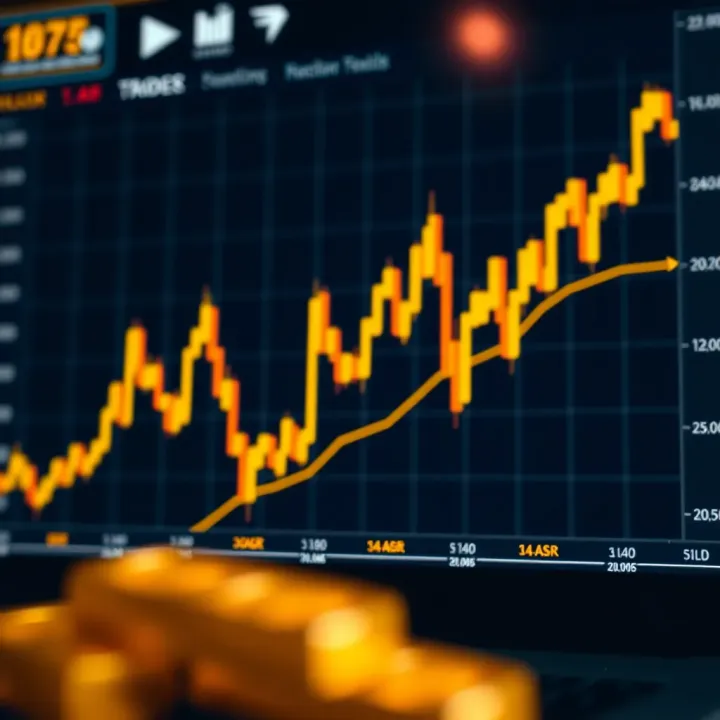
📈 Explore XAUUSD gold signals to trade gold vs USD smartly! Learn types, analysis methods & risk tips for confident trading in Pakistan & beyond.

📈 Explore how gold forex signals guide Pakistani traders with timely alerts, key price factors, trusted providers, and smart risk management for profitable trading.
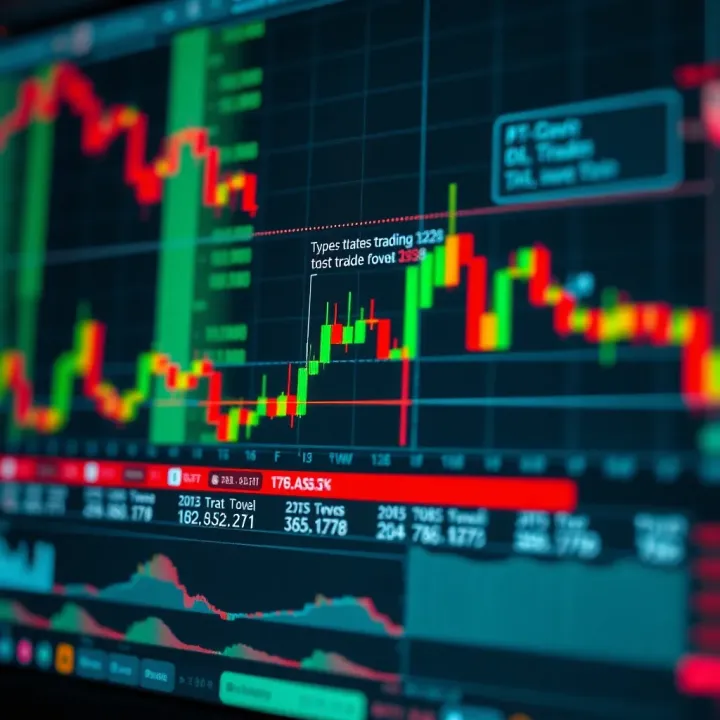
📊 Learn how trading signals work in forex & stocks! Explore types, risks, & tools with practical tips tailored for traders in Pakistan and beyond.
Based on 6 reviews