
Best Trading Websites for Investors in Pakistan
Explore top trading websites in Pakistan 🇵🇰 for stocks, commodities, and currencies. Learn key features and tips to pick the right platform for your goals 📈💻
Edited By
Charlotte Preston
Gold has always held a special position in Pakistan’s investment landscape, acting as a go-to asset in times of economic uncertainty and currency volatility. Understanding future trends in gold futures can help investors, traders, and finance professionals make informed decisions that protect and grow their wealth.
Gold futures contracts allow investors to buy or sell gold at a predetermined price on a future date, providing a way to hedge against price fluctuations or speculate on market movements. These contracts are traded on international exchanges like COMEX and MCX, with prices often influenced by global factors and local economic conditions.
Several key factors influence gold prices and their future predictions in Pakistan:
US Dollar Strength: Gold prices typically move opposite to the US dollar. When the dollar weakens against other currencies, including the Pakistani rupee, gold becomes relatively cheaper for rupee holders, increasing demand.
Inflation and Interest Rates: Rising inflation in Pakistan and globally tends to push gold prices up, as investors seek a store of value. Conversely, higher interest rates might make fixed-income assets more attractive compared to gold.
Geopolitical Tensions: Regional conflicts and political instability often trigger safe-haven buying of gold, causing price surges.
Local Economic Factors: Widening trade deficits, currency depreciation, and power crises like loadshedding impact investor sentiment and gold's appeal.
Recent months have seen gold prices respond to fluctuating SBP interest rates and rupee devaluation, highlighting the metal's sensitivity to Pakistan-specific developments. Experts suggest that given current economic pressures, gold futures are likely to remain volatile, with opportunities for gains as well as risks of sudden corrections.
For investors, monitoring both international gold trends and domestic economic indicators is essential to anticipate price moves.
For practical investment strategy:
Use gold futures to hedge against inflation or currency risks.
Consider timing your trades around SBP policy announcements.
Stay updated with global economic cues like US Federal Reserve moves.
Diversify your portfolio to balance the risks associated with gold volatility.
By keeping an eye on these factors, investors in Pakistan can better navigate gold futures markets and capitalise on price movements that align with their financial goals.
Understanding gold futures and their market dynamics is essential for anyone looking to invest or trade in Pakistan's gold market. Gold futures are contracts that allow traders to buy or sell a specific quantity of gold at a predetermined price on a future date. Grasping how these contracts work and what influences their price fluctuations helps investors manage risks and seize opportunities effectively.
Gold futures are standardised agreements traded on commodities exchanges to buy or sell a set amount of gold, usually measured in tolas or grams in Pakistan, on a specific future date at a price agreed today. These contracts are legally binding and serve as a tool for price discovery and risk management. The key features include a fixed contract size, delivery date, and price.
For example, if an investor expects gold prices to rise, they might purchase gold futures contracts today to sell later at a profit. Conversely, miners or jewellers might sell futures to hedge against a potential fall in gold prices, securing their costs.
In Pakistan, gold futures trading is facilitated through commodity exchanges like the Pakistan Mercantile Exchange (PMEX). Traders need to open accounts with registered brokers, meet margin requirements, and comply with regulatory guidelines from the Securities and Exchange Commission of Pakistan (SECP).
Since physical delivery is less common, most traders close their positions before expiry. The trading allows for leveraging, meaning investors can control large quantities of gold with relatively small investments, but this also increases potential risks. Understanding market hours, contract specifications, and settlement procedures is crucial for navigating Pakistan's gold futures market efficiently.
Gold traditionally acts as a safe-haven asset during times of economic uncertainty, inflation, or geopolitical tensions. In Pakistan, where currency fluctuations and inflation can be significant, many investors turn to gold to protect their wealth from eroding purchasing power.
For instance, during recent periods of rupee depreciation, gold prices in PKR terms rose, preserving investors' capital. This defensive characteristic makes gold a reliable portfolio diversifier that reduces overall investment risk.
Compared to stocks, real estate, or fixed deposits, gold offers unique advantages and limitations. While equities might provide higher returns, they come with volatility and company-specific risks. Real estate requires large capital and is less liquid. Fixed deposits offer stability but often fail to keep pace with inflation.
Gold balances these factors by offering liquidity, inflation resistance, and a hedge against market downturns. However, unlike dividend-paying stocks or rental properties, gold does not generate regular income. Investors in Pakistan often allocate a portion of their portfolio to gold futures or physical gold to benefit from its stability alongside other asset classes.
Understanding these dynamics empowers Pakistani investors to make informed decisions in gold futures trading, tailoring strategies that suit their financial goals and risk tolerance.
Understanding what drives gold futures prices is key for investors aiming to make informed decisions. These prices don't just shift by chance; they respond to a mix of global and local factors that fluctuate constantly. For seasoned traders and beginners alike, recognising these variables helps to predict price movements and manage risk effectively.
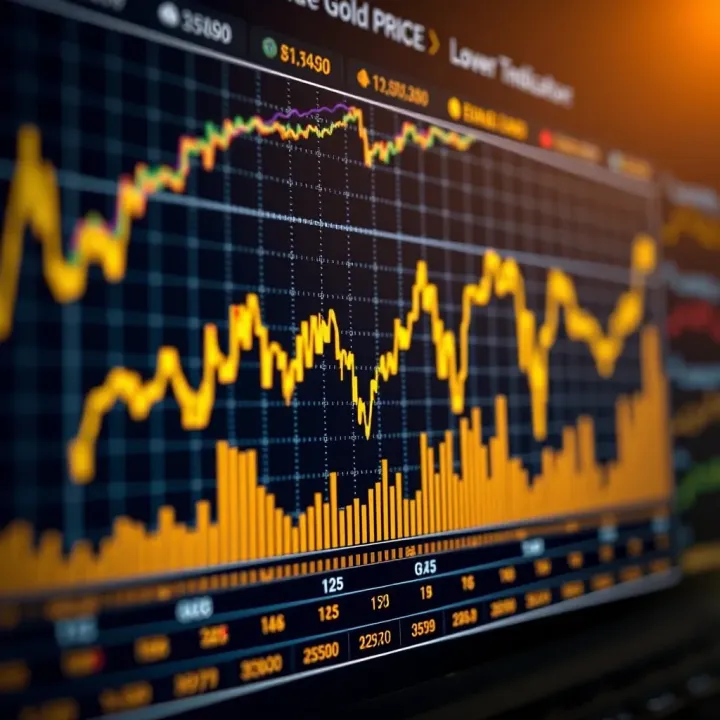
Inflation directly affects the value of currencies, which in turn impacts gold prices. When inflation rises, the purchasing power of fiat money like the US dollar declines, usually pushing investors towards gold as a protective asset. For instance, during high inflation in the US or Europe, gold often becomes pricier as demand rises.
Currency fluctuations, especially in the US dollar, are particularly important because gold is globally priced in dollars. A weakening dollar makes gold cheaper for holders of other currencies, increasing demand. For Pakistani investors, the key is observing USD trends since fluctuations can influence the rupee-dollar exchange and thus local gold prices.
Political instability, conflicts, and tensions globally make gold a preferred asset due to its safe-haven status. Events like trade wars, diplomatic conflicts, or military tensions often lead to sudden spikes in gold futures prices. For example, during recent Middle East conflicts, global gold prices surged as investors sought security from market uncertainty.
Such risks are crucial for Pakistani investors who face regional geopolitical challenges. Monitoring developments like tensions along the Pakistan-India border or global sanctions helps anticipate potential price shifts in gold futures.
The PKR-USD exchange rate plays a decisive role in shaping local gold prices. Since Pakistan imports most of its gold, a depreciating rupee against the dollar raises import costs, pushing domestic gold prices higher. For instance, a sharp fall in PKR during fiscal pressures can increase gold’s cost even if international prices remain steady.
Conversely, a stronger rupee may provide some relief, lowering costs for buyers. Investors and traders must watch SBP’s currency policies and daily exchange rate trends closely to gauge local gold price directions.
Government decisions on import duties, taxes, and regulations have a direct impact on the gold market. For example, an increase in import duty by the Federal Board of Revenue (FBR) immediately raises gold's landed cost in Pakistan, prompting higher futures prices.
Additionally, strict policies limiting gold imports or tightening money laundering rules can influence supply and demand. Investors should keep an eye on government budgets and policy statements, as these can quickly alter market sentiments and price trajectories.
Gold futures are affected not just by distant global trends but by local currency shifts and government controls. Staying updated on these factors helps investors reduce surprises.
By looking at both international economic signals and Pakistan-specific issues, traders can better comprehend the forces shaping gold futures prices and position their portfolios advantageously.
Understanding the current trends in gold futures markets is key for investors aiming to make informed decisions. These trends reflect how various factors, like economic shifts and political events, shape investor behaviour and price directions. By analysing these trends, traders can better anticipate future movements and adjust their strategies accordingly.
Over the last six months, gold futures prices have experienced notable fluctuations influenced by global economic pressures and local currency dynamics. For example, in Pakistan, the PKR's depreciation against the USD has supported higher gold prices, because imports become costlier. Traders who monitored these movements could take advantage of short-term price surges during uncertain periods.
On the global stage, inflation concerns and varying central bank policies have made gold futures volatile. This volatility creates both risks and opportunities for investors who stay alert to market sentiment, which reflects collective confidence or fear among buyers and sellers. Recognising these price swings helps traders decide when to enter or exit positions.
Global events, such as geopolitical tensions in the Middle East or shifts in US Federal Reserve interest rate decisions, significantly impact gold futures. For instance, when conflicts escalate, gold typically gains as a safe-haven asset. Similarly, announcements of higher interest rates tend to dampen gold demand since alternative fixed-income investments become more attractive.
For Pakistani investors, such global events matter because of their influence on the USD and, consequently, the local currency and gold prices. Being aware of international developments provides context to the domestic gold futures market and guides investors’ timing and risk assessments.
Chart patterns like head and shoulders, triangles, and double tops often signal potential reversals or continuations in gold futures prices. For example, a bullish ascending triangle suggests upward momentum, encouraging traders to consider long positions. Conversely, a head and shoulders pattern might warn of an impending downtrend.
Understanding these patterns helps investors anticipate possible price moves without relying solely on news or speculation. Technical analysis complements fundamental insights, giving a rounded view of market conditions.
Volume indicates the number of contracts traded and helps confirm price trends. Rising volume during a price increase typically implies strong buying interest, while low volume during a rally could signal weakness. Momentum indicators, such as the Relative Strength Index (RSI), show whether gold futures are overbought or oversold, assisting investors in timing their trades.
For example, if gold futures prices rise but momentum indicators show slowing strength, cautious traders might expect a correction. Volume and momentum combined provide a practical toolkit to validate price movements and avoid false signals.
Staying updated on recent price trends and mastering technical indicators empowers investors in Pakistan to navigate gold futures markets more confidently amid uncertain economic times.
Expert forecasts offer valuable guidance for investors looking to navigate the unpredictable gold futures market. They synthesise complex data on global economic trends, geopolitical developments, and local market conditions in Pakistan, helping traders and investors anticipate price movements more confidently. For example, analysts from Karachi Stock Exchange or international firms often predict price ranges that shape investment strategies, enabling better timing and risk assessment.
In the short term, gold futures prices are expected to fluctuate within a specific range influenced by immediate economic indicators. Most analysts currently project prices to hover between Rs 105,000 and Rs 115,000 per 10 grams for the next six months. This range is relevant for investors planning to make quick trades or hedge against inflation effects within the current fiscal year.
Rahim, a local trader, notes that these short-term projections help manage entry and exit points effectively, preventing overexposure during volatile sessions.
Short-term gold price volatility often reflects sudden shifts in currency exchange rates, especially the PKR-USD pairing, and unexpected geopolitical events such as tensions in the Middle East or economic sanctions. For instance, any sudden devaluation of the rupee against the dollar this year could spark gold demand as a safer asset, pushing prices higher temporarily.
Market sentiment also plays a role; rumours of interest rate hikes by the State Bank of Pakistan or changes in global inflation figures tend to cause swift price adjustments, making it vital for investors to stay updated on news and economic releases.
Over the next five years, experts forecast a gradual upward trend in gold prices, primarily driven by sustained inflation and steady currency depreciation in Pakistan. Projections suggest prices could reach Rs 130,000 to Rs 150,000 per 10 grams by 2028. This forecast caters to long-term investors aiming to protect wealth or diversify portfolios with a hedge against local economic uncertainties.
Such predictions rely on historical patterns and assume continued fiscal challenges including budget deficits and trade imbalances that typically increase gold’s appeal.
Several economic scenarios could impact gold’s long-term trajectory. For example, stabilisation of the rupee due to improved exports or IMF bailout packages might restrain price hikes. Conversely, persistent macroeconomic troubles like rising inflation rates above 10% and escalating geopolitical risks in the region could accelerate gold demand further.
Investors should consider policy changes by Pakistan’s government on import duties or taxes on gold as well, since these fiscal factors directly affect local gold futures prices and accessibility.
Keeping an eye on expert forecasts lets you align your investment decisions with expected market realities, especially when dealing with short-term fluctuations or long-term commitment in Pakistan’s gold market.
Investing in gold futures involves significant risks and rewards, especially in Pakistan’s unique economic environment. Strategies tailored to local market dynamics can help investors manage volatility and capitalise on price movements effectively. This section covers practical approaches that Pakistani investors should consider to protect their capital while optimising returns.
A stop-loss order automatically closes your position if the price moves against you beyond a certain point. This tool is essential in the gold futures market where prices can fluctuate rapidly due to factors like currency swings and geopolitical tensions. For example, if you buy gold futures at Rs 100,000 per 10 grams, setting a stop-loss at Rs 95,000 limits your downside risk without constant market monitoring. It guards your investment, especially during unexpected market shocks like sudden PKR devaluation against the USD.
Relying solely on gold futures exposes you to specific risks tied to commodity price swings and local currency issues. Including other assets such as stocks listed on the Pakistan Stock Exchange (PSX), government bonds, or even real estate, can balance your portfolio risk. For instance, blending gold futures with blue-chip company shares may reduce overall volatility, because these assets don't always move in sync. Diversification helps cushion impacts from adverse movements in gold prices or local economic disruptions.
Selecting a trustworthy broker in Pakistan is crucial for smooth gold futures trading. Look for brokers registered with the Pakistan Mercantile Exchange (PMEX) and who maintain transparent fee structures. For example, brokers like Arif Habib Ltd and IGI Securities have established reputations in commodities trading. Reliable brokers also provide timely market updates and proper risk disclosures, helping you make informed decisions without falling prey to fraud or excessive commissions.
The Securities and Exchange Commission of Pakistan (SECP) regulates gold futures trading. Investors must comprehend these rules, including margin requirements, settlement procedures, and taxation policies. For example, traders need to maintain the minimum margin deposit set by PMEX, failing which their positions might be liquidated. Also, understanding GST or capital gains tax implications on futures trading ensures compliance and avoids legal complications. Staying updated on regulatory changes is vital, as policies may shift with economic conditions.
Effective investment strategies in gold futures combine risk controls with local market knowledge to navigate Pakistan’s financial landscape confidently.
Applying these strategies will not only help safeguard your investments but also open doors for better returns by adapting smartly to market conditions. Always keep a close eye on economic indicators like the PKR-USD exchange rate and government announcements, as they can spark sudden price movements in gold futures.
Explore top trading websites in Pakistan 🇵🇰 for stocks, commodities, and currencies. Learn key features and tips to pick the right platform for your goals 📈💻
Discover how gold rates are set in Pakistan, tips for buyers and investors, and ways to track prices effectively 📈💰 Know your gold market better!

📱 Discover top trading apps in Pakistan! Compare features, fees & usability to pick one that fits your trading style and financial goals perfectly.
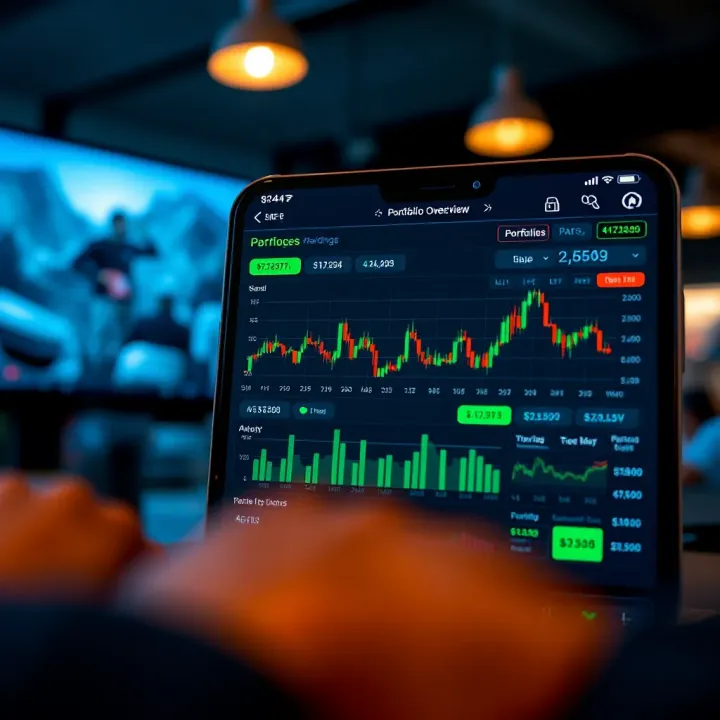
📊 Discover the top trading apps in Pakistan! Compare features, security, fees, and market access to find the perfect fit for your investment needs.
Based on 14 reviews