

USD to PKR Open Market Forecast and Trends
📉 Explore how economic trends, policies, and market moves shape the USD to PKR open market rates. Stay updated with forecasts for Pakistan’s currency shifts. 💹
Edited By
Emily Foster
The US dollar to Pakistani rupee exchange rate is a key economic indicator closely watched by traders, investors, and policymakers. It reflects Pakistan's trade balance, foreign investment flows, inflation trends, and geopolitical developments. Predicting this rate involves understanding a complex interplay of domestic economic policies, global market forces, and regional political events.
Pakistan's economy heavily depends on remittances, exports, and foreign loans. Fluctuations in these areas impact the dollar-rupee parity. For instance, a rise in remittances from Pakistanis abroad generally supports the rupee, while delays in export earnings or external debt repayments can put downward pressure on it.
Several factors directly influence the dollar rate in Pakistan:
Monetary policy decisions by the State Bank of Pakistan (SBP), such as changes in interest rates or currency interventions.
Inflation rates, affecting the purchasing power of the rupee relative to the dollar.
Political stability and geopolitical tensions, especially related to neighbouring countries or internal conflicts.
Global economic trends, including US Federal Reserve policies, oil prices, and commodity markets.
Over recent years, events like balance of payments crises, IMF programme negotiations, and currency reserves fluctuations have caused notable rupee volatility. These episodes highlight how sensitive the exchange rate is to both policy signals and market sentiment.
Understanding these drivers helps anticipate near-term currency moves and supports better decision-making for forex market participants.
Forecasting models rely on analysing these variables, often using econometric tools or machine learning techniques. However, unpredictability in political events or sudden global shocks can quickly alter any projections.
Given the significance of the dollar rate in Pakistan’s economic health, closely monitoring these trends and factors offers practical insights. Traders can manage risks better, investors can time their entry points, and students or analysts can grasp the real-world application of economic theory.
By examining the key influences and outlook, this article aims to deepen your understanding of what shapes the US dollar rate in Pakistan today and in the near future.
Grasping the dynamics behind the US dollar to Pakistani rupee exchange rate is important for several reasons. For traders and investors, the fluctuating rate directly affects profits, while businesses involved in imports and exports must anticipate cost changes driven by currency shifts. On a broader scale, the exchange rate impacts inflation, purchasing power, and economic stability in Pakistan.
Fundamentally, the dollar rate in Pakistan is shaped by how much Pakistani rupees are available compared to demand for dollars. This interaction determines whether the rupee strengthens or weakens against the dollar.
The exchange rate depends largely on the supply of and demand for foreign currency. When importers or businesses need more dollars to pay for goods and services overseas, demand for dollars rises, pushing the exchange rate higher (meaning the rupee weakens). Conversely, remittances from overseas Pakistanis or foreign investment increase the supply of dollars, which can ease the pressure on the rupee.
For example, during the annual festive season, remittances often peak as workers abroad send more money home, bolstering dollar supply. On the other hand, if Pakistan suddenly requires dollar payments for oil imports or debt servicing, demand spikes, putting upward pressure on the dollar rate. These everyday shifts make the supply-demand balance a key factor in exchange rate movements.
Pakistan’s foreign exchange reserves act as a buffer to stabilise the dollar rate. Higher forex reserves allow the State Bank of Pakistan to intervene in the currency market, selling dollars to prevent sharp rises in the exchange rate. However, low reserves limit the central bank’s ability to support the rupee during times of stress.
The trade balance is another decisive factor. When Pakistan’s imports exceed exports significantly, more dollars leave the country to pay for goods, widening the demand-supply gap. This tends to weaken the rupee. For instance, a surge in oil prices raises import bills, worsening the trade deficit and pressuring the rupee dollar rate. Managing these imbalances is crucial for sustaining currency stability.
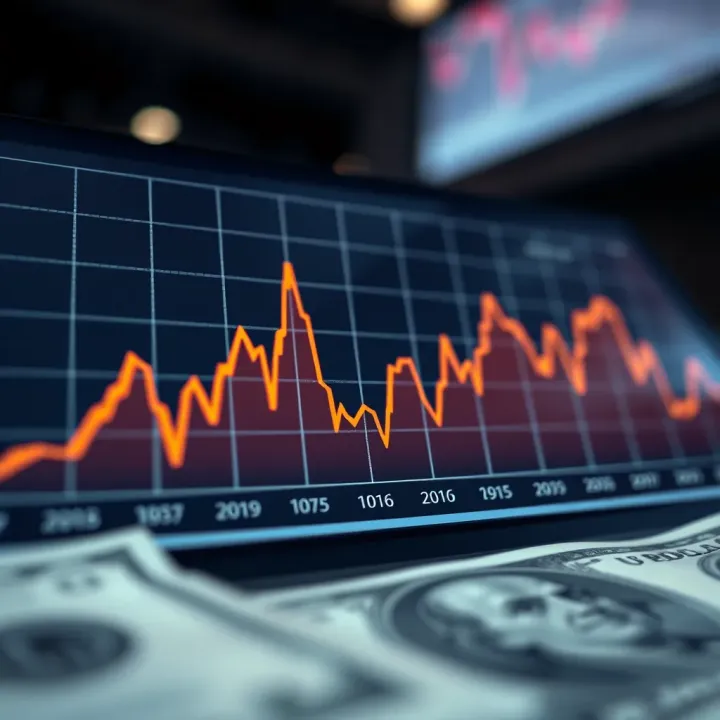
Over the past ten years, the dollar-PKR exchange rate has seen notable swings. From around ₹85 to the dollar in the early 2010s, it has risen to nearly ₹290 in recent years. These jumps reflect economic pressures, political uncertainties, and external shocks that influenced demand for dollars and confidence in the rupee.
These fluctuations affected daily life, such as increasing prices for imported items and raw materials, which in turn pushed inflation up. For traders and importers, timing currency purchases could mean the difference between profit and loss.
Significant currency depreciations often followed events like balance of payments crises, IMF programme announcements, or geopolitical tensions. For example, the 2018 balance of payments difficulty forced Pakistan to approach the IMF for a bailout, causing the rupee to shift sharply.
Moreover, political instability and policy inconsistency at home, combined with external factors like US monetary policy changes, influenced investor sentiment. This led to rapid inflows or outflows of capital, further impacting the dollar rate. Understanding these turning points helps predict how future shocks might affect the exchange rate.
Tracking the dollar rate in Pakistan requires keen attention to supply-demand dynamics, foreign reserves, trade imbalances, and political-economic events that cause major shifts over time.
The dollar rate in Pakistan reflects a complex mix of local and global forces acting together. Understanding these factors helps traders and investors anticipate moves and manage risks better. Let us break down the key elements shaping the exchange rate amid today's dynamic economic and political landscape.
Inflation rates and interest rate differentials play a vital role in exchange rate movements. When Pakistan experiences higher inflation compared to the US, the purchasing power of the rupee declines, making dollars relatively more expensive. Conversely, if the State Bank of Pakistan raises interest rates to curb inflation, it can attract foreign capital seeking better returns, supporting the rupee. For example, after the monetary tightening in late 2023, the rupee showed some relief against the dollar, despite global pressures.
Fiscal deficit and government borrowing also affect currency stability. Pakistan’s large fiscal deficits mean the government must borrow heavily, often from foreign sources. This external borrowing increases the demand for dollars and may reduce confidence in the rupee if debt levels look unsustainable. In FY 2023-24, a fiscal gap near 7% of GDP increased pressure on reserves, contributing to dollar depreciation. Managing these deficits carefully is key to avoiding sharp currency swings.
Domestic political stability strongly impacts the dollar rate. Political uncertainty or frequent changes in government policies can spook investors, prompting capital flight and a weaker rupee. For example, political turmoil in 2022 led to heightened volatility in the dollar-PKR rate. Stability helps maintain investor confidence and steadier exchange levels.
Relations with major economies like the US, China, and Gulf countries matter significantly. Positive engagements may lead to aid, loans, or investments that strengthen foreign reserves and support the rupee. Conversely, strained relations can close these vital funding channels. Pakistan’s cooperation with the IMF and engagement with China’s Belt and Road Initiative often influence market sentiment and exchange rate trends.
Regional security considerations in South Asia also affect currency valuations. Tensions or conflicts can disrupt trade and foreign investment, causing rupee volatility. Events around the India-Pakistan border or within Afghanistan often trigger nervousness among investors, impacting the dollar rate due to perceived risks.
US monetary policy shifts, especially decisions by the Federal Reserve, influence capital flows worldwide. When the Fed hikes rates, emerging markets like Pakistan often see capital outflows toward higher-yield US assets. This scenario pressures the rupee downward. During late 2023’s Fed rate increases, the Pakistani rupee faced depreciation as investors sought safer returns.
Commodity prices and external shocks also shape the exchange rate. Pakistan imports energy and food items sensitive to global prices. Rising oil prices, for example, increase import bills and dollar demand, weakening the rupee. Disruptions from natural disasters or geopolitical crises globally can hit supply chains and foreign currency reserves, leading to exchange rate swings.
For traders and investors, staying alert to these economic indicators, political developments, and global trends is essential. Each factor interacts, creating a financial environment where the dollar-PKR rate can shift rapidly. Understanding these helps in making informed decisions and managing currency risk effectively.
Predicting the dollar rate against the Pakistani rupee requires a mix of analytical tools. Each approach offers specific insights that, when combined, improve the accuracy of forecasts. Understanding these methods helps traders, investors, and finance professionals make informed decisions amid exchange rate uncertainties.
Analysing economic data involves studying key indicators such as inflation, interest rates, trade balances, and foreign exchange reserves. For example, a rising inflation rate in Pakistan typically weakens the rupee as purchasing power declines, pushing the dollar rate higher. Economists also scrutinise the balance of payments; a consistent trade deficit tends to increase demand for dollars, influencing depreciation of PKR. By tracking these elements regularly, one can identify economic trends that directly impact currency movements.
Monitoring policy changes is equally crucial. Decisions by the State Bank of Pakistan (SBP), like adjustments in policy rates or interventions in the forex market, often shift exchange rate dynamics. For instance, if SBP raises interest rates to control inflation, it may attract foreign investment, strengthening the rupee temporarily. Similarly, government policies on exports, imports, or foreign borrowing affect the external sector, thereby influencing the dollar rate. Staying updated with policy announcements helps anticipate such shifts.
Chart patterns and trends focus on the historical price movements of the dollar-PKR rate to identify recurring formations like head and shoulders, double tops, or triangles. Traders frequently use these to predict potential trend reversals or continuations. For example, noticing a “double bottom” pattern may suggest the rupee is likely to strengthen soon after a period of depreciation. This approach is especially useful for short-term traders seeking entry and exit points based on market psychology.
Use of moving averages and indicators includes tools like the 50-day and 200-day moving averages or Relative Strength Index (RSI). These indicators smooth out price volatility to help spot overall trends or overbought/oversold conditions. If the dollar rate crosses above its 200-day moving average, it might indicate a bullish trend. Conversely, a high RSI could warn of an imminent correction. Incorporating these tools can assist technical analysts in timing trades effectively.
Economist forecasts provide a macro-level perspective by combining economic theory with real-time data. Renowned economists offering timely analyses on monetary policy, fiscal deficits, or geopolitical developments give valuable forecasts about the dollar-PKR trend. Their insights often consider factors beyond immediate numbers, such as political stability or global economic shifts, which are harder to quantify but significant.
Financial institution outlooks from banks and brokerage firms add depth by blending fundamental and market sentiment analysis. These institutions regularly publish exchange rate forecasts based on proprietary models integrating economic data, technical indicators, and market news. Their projections support investors and corporate clients in planning forex exposure, hedging strategies, or cross-border trade payments.
Combining fundamental and technical methods with expert insights creates a balanced view that captures both economic realities and market moods. This multifaceted approach is essential for navigating the often volatile dollar-PKR exchange rate.
In summary, using multiple prediction methods helps offset limitations inherent in any single technique and provides a clearer picture for those dealing with currency risk in Pakistan.
Understanding the outlook for the Dollar-PKR exchange rate helps traders, investors, and finance professionals plan their strategies effectively. This section focuses on the near and long-term factors shaping the currency’s movement, highlighting risks and opportunities. Given Pakistan’s economic and geopolitical environment, anticipating changes in the dollar rate is vital for risk management and investment decisions.
The State Bank of Pakistan’s monetary policies and government fiscal decisions often steer short-term dollar fluctuations. For example, announcements on interest rate adjustments or subsidy revisions can trigger swift currency movements. Recently, decisions on hiking the policy rate to curb inflation have led to immediate strengthening of the rupee against the dollar, though the impact may not last if other fundamentals weaken. Traders watch these policies closely, especially around budget presentations or quarterly reviews.
External events can sharply influence the dollar-PKR rate in the short term. This includes the US Federal Reserve’s monetary policy shifts, fluctuations in oil prices, and geopolitical tensions in the region. For instance, a sudden rise in international oil prices raises Pakistan’s import bill, putting downward pressure on the rupee. Similarly, announcements from the Federal Reserve about tapering bond purchases often cause capital outflows from emerging markets like Pakistan, leading to temporary rupee depreciation.
Short-term dollar rate changes often reflect policy tweaks and sudden external shocks, making vigilance essential for market participants.
Pakistan’s longer-term exchange rate trend depends largely on structural changes and economic growth. The success of reforms in areas like tax collection, energy sector efficiency, and export promotion will enhance foreign currency inflows and strengthen the rupee. For example, if the government manages to increase tax-to-GDP ratio consistently, it can reduce fiscal deficits and improve investor confidence. Growth forecasts by institutions like the IMF and World Bank help market watchers gauge future dollar demand and supply, affecting their long-term currency strategies.
Sustaining adequate foreign exchange reserves and managing the trade balance are key to long-term exchange rate stability. Rupee volatility often spikes when reserves dip under pressure or import bills rise unexpectedly. For Pakistan, diversifying exports and securing remittances from overseas workers form important cushions for external sector health. Stability in these areas reduces abrupt dollar-PKR swings and creates a more predictable environment for businesses, investors, and government policies alike.
Long-term rupee strength rests on successful reforms and maintaining external sector balance, offering steadiness beyond short-run ups and downs.
This outlook section equips you with a clearer picture of what drives Pakistani rupee movements against the US dollar. It emphasises real-world influences and prepares you to make better-informed decisions in rapidly changing scenarios.
📉 Explore how economic trends, policies, and market moves shape the USD to PKR open market rates. Stay updated with forecasts for Pakistan’s currency shifts. 💹
📊 Get a clear look at USD to PKR trends for the next three months, exploring economic factors, risks, and opportunities for businesses and individuals.
📉 Get insights on USD to PKR trends, government policies, and key economic factors shaping the exchange rate to plan for what's ahead in Pakistan's market.
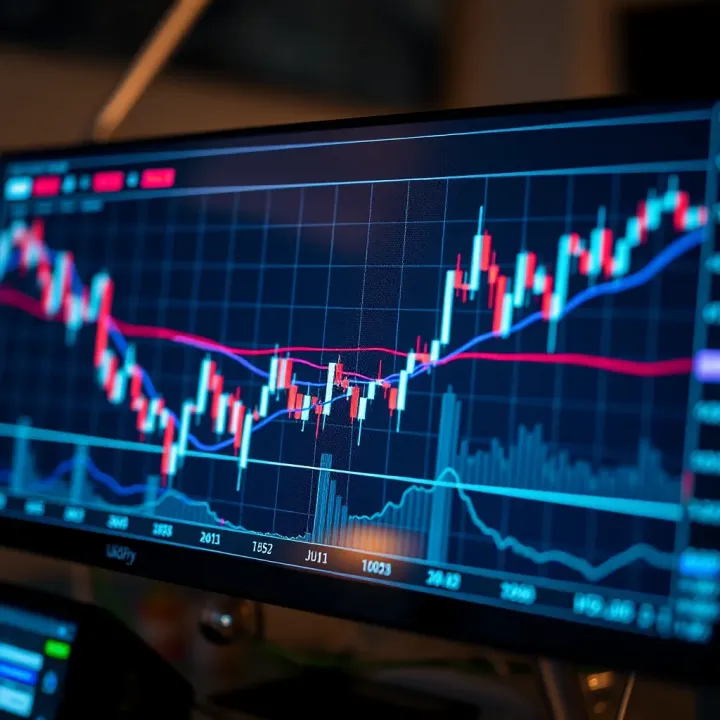
📊 Explore detailed USDJPY forecasts, key economic indicators, market trends, and geopolitical factors shaping currency moves to guide smart trading decisions.
Based on 14 reviews