
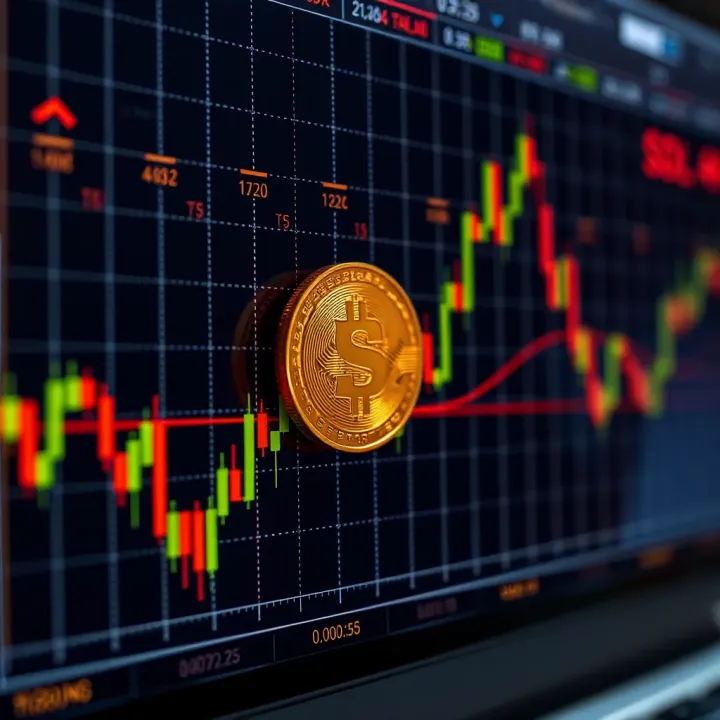
Sol Coin Prediction: Future Trends and Market Outlook
📈 Explore Sol coin's future prospects through deep market trend analysis, past performance, expert insights, and factors affecting its price for smart investing.
Edited By
James Whitaker
The Pakistani rupee (PKR) has faced significant volatility in recent years, affected by a mix of domestic economic policies, external pressures, and geopolitical factors. Understanding its trajectory requires examining key forces shaping its value, from inflation rates and foreign exchange reserves to trade balances and international relations.
Despite persistent inflationary challenges and growing fiscal deficits, Pakistan continues to rely heavily on remittances from overseas workers and exports like textiles to support the rupee. However, the country’s import dependence and large debt repayments often put downward pressure on the currency.

Traders and investors should note that exchange rate fluctuations are not solely determined by economic fundamentals; geopolitical tensions, especially with neighbouring countries, also influence market confidence in the PKR.
Some factors expected to impact the rupee’s near-term outlook include:
Monetary policy decisions by the State Bank of Pakistan (SBP), which affect interest rates and liquidity
Foreign direct investment (FDI) trends, influencing capital inflows
The trade deficit, which pressures foreign exchange reserves
Global commodity prices, particularly oil, that affect Pakistan’s import bill
Shifts in US dollar strength, as the PKR often moves in relation to USD trends
Analysts forecast that without substantial improvements in export performance and foreign exchange reserves, the rupee may experience continued depreciation. This situation could raise costs for imported goods and heighten inflationary pressure inside Pakistan. On the other hand, successful implementation of economic reforms, better diplomatic ties, and aid packages could stabilise or improve the rupee’s value.
For investors and finance professionals, monitoring these economic indicators alongside political developments is vital to gauge risks and spot opportunities linked to PKR movements. This article will explore these aspects in depth to offer a clear understanding of what lies ahead for the Pakistani rupee.
Understanding the current position of the Pakistani rupee is essential for anyone tracking its future movements. It provides a solid foundation to interpret upcoming trends and policies. For traders and investors, knowing recent exchange rate shifts and underlying economic challenges helps in making informed decisions, especially when exposure to foreign currency risk comes into play.
The Pakistani rupee has faced considerable pressure over the past year, sliding against major currencies like the US dollar. For instance, from around ₹160 to the dollar in early 2023, it depreciated close to ₹280 by mid-2024. Such fluctuations reflect market sentiment as well as economic fundamentals. Notably, factors like widening trade deficits and political uncertainty have amplified volatility in the forex market. Observing these trends helps assess the rupee's stability and anticipate possible rebounds or further depreciation.
Several economic hurdles weigh down the rupee's strength. Pakistan’s persistent trade imbalance—where imports far outweigh exports—drains foreign reserves, pushing the rupee lower. Inflation remains high, fuelled by rising global commodity prices and domestic supply bottlenecks. This erodes purchasing power and puts pressure on the currency. External debts accumulating to billions of dollars also create repayment challenges, limiting fiscal space. Without addressing these core issues, the rupee’s outlook remains fragile. For example, frequent energy shortages hurt industrial output, reducing export competitiveness and escalating import dependency.
The Pakistani government and the State Bank of Pakistan (SBP) have introduced several measures to stabilise the rupee. Interventions include tightening monetary policy by raising interest rates to curb inflation and attract foreign investments. The SBP has also engaged in controlled currency adjustments alongside seeking International Monetary Fund (IMF) support to bolster reserves. Additionally, efforts to streamline regulations and encourage export growth are underway. However, success hinges on consistent policy implementation and political stability. Recent changes in import tariffs and import substitution policies illustrate attempts to narrow the trade deficit, aiming to ease pressure on the rupee.
Close monitoring of these indicators is vital for stakeholders. They offer signals about short-term currency movements and underlying economic health.
By focusing on these areas—the latest exchange rates, economic headwinds, and official responses—readers get clearer insight into the current rupee situation. This clarity is crucial to navigate the complex factors shaping its future trajectory.
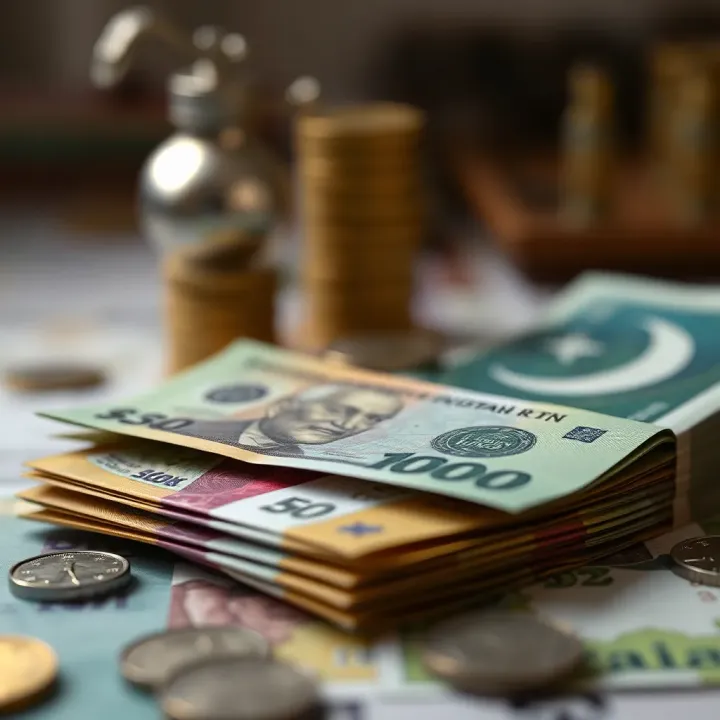
Several factors will influence how the Pakistani rupee fares in the coming years. Understanding these is essential for investors, traders, and analysts looking to navigate the currency’s ups and downs. The rupee’s strength or weakness reflects deeper economic currents, and anticipating these can help in managing risks or seizing opportunities.
The trade balance—that is, exports minus imports—has a direct impact on the rupee’s value. When Pakistan imports more than it exports, it needs more foreign currency to pay for those imports, putting downward pressure on the rupee. For instance, a surge in crude oil prices can swell import bills drastically, as Pakistan heavily depends on oil imports. Such a scenario tightens foreign exchange reserves, making it harder for the State Bank of Pakistan to support the rupee.
Foreign reserves act as a buffer to stabilise the currency during volatile times. When reserves run low, the rupee becomes vulnerable to sharp falls. In recent years, Pakistan’s reserves have fluctuated due to varying inflows from remittances, exports, and international loans. Maintaining a healthy reserve position allows the central bank to intervene effectively in currency markets, calming speculative pressures.
Inflation erodes purchasing power and affects confidence in the rupee. Pakistan has experienced bouts of high inflation linked to food prices, energy costs, and currency depreciation itself. The State Bank’s monetary policy choices—particularly interest rates—aim to control inflation without stifling growth.
When inflation spikes, the central bank might hike interest rates to tame price rises, strengthening the currency by attracting foreign capital. However, higher rates increase borrowing costs, impacting businesses and consumers. For example, the 2022 monetary policy adjustments sought to balance inflation control with sustaining economic activity. Investors watch these signals closely to judge how the rupee might react.
Political uncertainty often triggers currency volatility. Pakistan’s currency has felt the ripple effects of domestic political upheavals and regional tensions. When governments falter or elections approach, investor confidence dips, leading to rupee depreciation.
Geopolitical factors, such as relations with neighbouring countries or trade partner conflicts, also influence the currency. For example, trade disruptions with major partners like China or the Gulf States can strain foreign currency inflows. On the other hand, strong diplomatic ties and economic agreements provide reassurance to markets, supporting the rupee.
Political calm and clear policy direction tend to bolster the rupee, while uncertainty and conflicts often weaken it.
In summary, the rupee’s future will depend heavily on how Pakistan manages its trade balance and maintains foreign reserves, controls inflation through smart monetary policies, and navigates the political and geopolitical landscape. Being aware of these key factors helps stakeholders make informed decisions amid the currency’s unpredictable nature.
The Pakistani rupee's future cannot be viewed in isolation from the regional and global economy. Changes in neighbouring countries and global market trends shape Pakistan’s trade flows, investment climate, and currency valuation. For traders and investors, understanding these external factors adds clarity when predicting the rupee's behaviour and positioning portfolios accordingly.
Pakistan’s key trade partners include China, the United States, the United Arab Emirates, and the European Union. Trade volumes and diplomatic ties with these players have a direct effect on foreign exchange demand and supply. For instance, the China-Pakistan Economic Corridor (CPEC) has facilitated Chinese investments, imports, and infrastructure projects in Pakistan. These inflows boost foreign reserves but may also increase imports, putting pressure on the rupee if exports don’t keep pace.
Similarly, tensions or trade barriers with any major partner can reduce export earnings. When the US or EU demand for Pakistani textiles and goods weakens, exporters earn less foreign currency, which dents rupee strength. On the other hand, improving trade agreements or reaching new markets can bolster inflows and help stabilise the currency.
Pakistan’s economy relies heavily on commodities like oil, wheat, and fertilisers. Volatility in global prices affects import bills and inflation, influencing rupee stability. For example, a sudden spike in crude oil prices lifts import costs sharply, widening the current account deficit and forcing the State Bank to defend the rupee with foreign reserves.
Periods of lower commodity prices can ease the pressure on the rupee by reducing import spending. However, this benefit depends on Pakistan's ability to pass on these cost changes through the supply chain. Persistent global inflation in commodity markets often translates into local inflation, complicating monetary policy decisions and weakening the rupee.
Pakistan’s external debt situation plays a significant role in the rupee’s outlook. Large debt repayments in foreign currencies create demand for dollars, which pressures the rupee downward. If foreign reserves fall short, this can lead to sharp depreciation.
Support from international financial institutions like the International Monetary Fund (IMF) or the World Bank provides crucial breathing room. For example, IMF bailout packages often come with conditions for structural reform, which may boost investor confidence if implemented effectively. Conversely, delays or uncertainties in receiving financial support create market anxiety, impacting the rupee negatively.
Investors should keep a close eye on Pakistan’s external financing arrangements and repayment schedules as these can trigger volatility in currency markets.
In summary, regional trade relationships, fluctuations in commodity prices, and external debt dynamics are critical lenses through which you should view the Pakistani rupee’s future. These factors interact continuously and affect market sentiment and the currency’s strength in the foreseeable period.
Expert forecasts and market sentiment serve as key barometers in predicting the Pakistani rupee’s future. They offer a window into how professionals and investors interpret economic signals, political shifts, and external pressures affecting the currency’s value. For traders and investors, these insights help inform decisions—whether to buy, hold, or divest—based on probable trends rather than just raw data.
Financial institutions like international banks and rating agencies regularly publish forecasts for the Pakistani rupee, drawing on macroeconomic models and on-ground financial indicators. For example, the International Monetary Fund (IMF) often assesses Pakistan’s economic health, influencing rupee performance expectations. In 2023, several banks predicted modest depreciation due to inflationary pressures and external debt servicing. Such forecasts guide asset managers and corporates in hedging currency risks and planning foreign transactions.
Unlike casual speculation, these institutions consider trade balances, foreign reserves, fiscal policies, and geopolitical factors. For instance, HSBC or Standard Chartered may factor in global commodity price swings, impacting Pakistan’s import bills and thereby rupee stability. Their outlooks tend to carry weight with foreign direct investment decisions, lending terms, and government policy responses.
Currency analysts provide a more nuanced and immediate perspective on rupee movements by examining market micro-trends, technical charts, and investor behaviour. Unlike institutional reports, analysts may spot short-term patterns such as momentum shifts caused by political announcements or global events like changes in US Federal Reserve rates.
For example, an analyst might note that rupee volatility spikes when regional tensions flare or during remittance season peaks. They use tools like Relative Strength Index (RSI) or moving averages to gauge when the rupee is overbought or oversold. Traders follow these opinions closely as they can highlight profitable entry or exit points that broader forecasts might miss.
Investing related to the Pakistani rupee involves several risks but also certain opportunities. Key risks include sharp depreciation triggered by geopolitical unrest, high inflation undermining purchasing power, or delays in financial aid from bodies like the IMF. These factors can erode investment value quickly, especially for foreign portfolio investors.
On the flip side, currency undervaluation can offer attractive entry points. For instance, if analysts watch signs of stabilising foreign reserves or successful fiscal reforms, investors might anticipate gains from rupee appreciation. This scenario benefits exporters and companies with dollar-denominated earnings.
Staying informed about expert forecasts and market sentiment enables smarter risk management. It helps you position yourself not just for ‘what is’, but for ‘what might be,’ which is critical in a volatile currency market.
In summary, expert forecasts provide a solid, data-backed foundation for understanding possible currency directions, while market sentiment reveals real-time dynamics that might alter these predictions. Combined, both guide investors and traders toward more confident decision-making about the Pakistani rupee’s future.
📈 Explore Sol coin's future prospects through deep market trend analysis, past performance, expert insights, and factors affecting its price for smart investing.
📈 Explore gold future predictions with expert insights, market trends, and risks for investors navigating Pakistan’s economic challenges and opportunities. 🪙

📈 Explore Matic (Polygon) price trends, key factors affecting value, past movements, and future outlook to make smart decisions in Pakistan's crypto market.
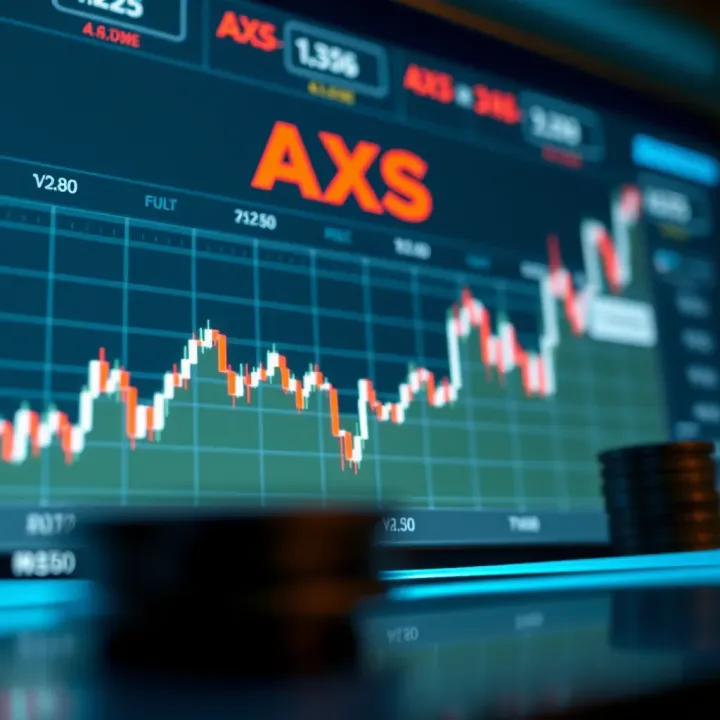
Explore AXS price forecast 🔮, key market trends 📈, expert insights 🧠, and risks ⚠️ to understand Axie Infinity's crypto outlook in coming years.
Based on 11 reviews