

Is Trading Halal in Islam? Understanding the Rules
Explore the Islamic view on trading in Pakistan 🇵🇰, understanding what makes it halal or haram, with key guidelines to trade responsibly and ethically 📊🕌
Edited By
Edward Bennett
Future trading, a financial practice involving contracts to buy or sell assets at a predetermined future date and price, attracts attention from traders and investors worldwide. However, its compatibility with Islamic finance principles remains a subject of debate among scholars and practitioners. Understanding if future trading is haram (forbidden) under Islamic law requires examining the nature of these contracts against Islamic rules on commerce and ethics.
At its core, future trading allows market participants to hedge risks or speculate on price movements of commodities, equities, or currencies. For example, an investor might agree today to buy 100 barrels of crude oil in three months at ₹5,000 per barrel, hoping to profit if the market price rises by then. But the question arises: does such an arrangement comply with Shariah principles?

Islamic finance prohibits transactions involving excessive uncertainty (gharar), gambling (maysir), and interest (riba). Future contracts often contain elements of uncertainty since the exact delivery or payment depends on future events. Concurrently, some futures trading leans heavily on speculative gains rather than actual commodity exchange, which many scholars see as risky and potentially impermissible.
Scholars generally distinguish between futures contracts used for genuine hedging purposes and those aimed purely at speculation. The first may be acceptable under strict Islamic guidelines, while the latter often falls under haram trade due to its resemblance to gambling.
To put it simply, conventional futures trading often contradicts Islamic finance rules because:
It involves contracts for assets not present or owned at the time of agreement.
It carries significant ambiguity about the transaction terms and outcomes.
It frequently resembles gambling when used mainly for speculative profit.
Muslim investors should consult trusted Shariah scholars or financial advisors specialising in Islamic finance before engaging in futures markets. Alternatives like Salam contracts—forward sales of goods with prompt payment—and Islamic options designed to reduce uncertainty offer ways to participate within Islamic ethical boundaries.
Understanding the nuances and the principles behind Islamic finance will help investors make informed choices that align with both their financial goals and religious values.
Grasping the basics of future trading is essential, especially when assessing its compatibility with Islamic finance principles. Future contracts form a distinct segment of financial markets with their own set of mechanisms and risks. Traders and investors benefit from understanding what these contracts represent, how they function, and where they fit within broader market dynamics. This knowledge lays the groundwork for deeper discussions on halal concerns and alternative investment opportunities.
A future contract is an agreement to buy or sell an asset at a predetermined price on a specified future date. These contracts commonly involve commodities, indices, currencies, or interest rates. For instance, a farmer might agree today to sell 100 quintals of wheat at ₹2,000 per quintal after three months, locking in the price despite market fluctuations. This contract itself can be traded before maturity, meaning ownership of the rights shifts hands without the physical commodity necessarily changing hands immediately.
Futures are settled either by physical delivery of the asset or through cash settlement. Many traders prefer cash settlement to avoid handling the actual goods. This feature makes futures a popular tool for both managing price risks and seeking profit from price movements.
Future trading happens on specialised exchanges like the National Commodity & Derivatives Exchange (NCDEX) or the Multi Commodity Exchange (MCX) in India. These exchanges standardise contract sizes, delivery months, and trading hours. The platform itself ensures transparency and acts as the counterparty to both buyers and sellers through a clearinghouse, reducing risks of default.
In practice, traders use margin accounts—paying only a fraction of the contract value—to control larger positions. A trader can, for example, pay a margin of ₹20,000 to manage a futures contract worth ₹2 lakh. This leverage amplifies profits but also magnifies losses, making risk management critical.
Farmers, exporters, and manufacturers use futures to hedge against price volatility. Suppose an exporter expects to receive payment in US dollars in three months. By selling dollar futures today, they lock in exchange rates and protect against rupee depreciation. This helps businesses stabilise cash flows and plan finances better.
Hedging benefits many sectors by providing a financial shield from unexpected price swings, making future trading a practical tool beyond speculation.
On the flip side, speculative traders buy and sell futures contracts intending to profit from price changes rather than owning the underlying asset. For example, a trader might buy crude oil futures expecting prices to rise in the near term. If the price increases, they sell the contract before expiry to gain the difference. While speculation adds liquidity to the market, excessive speculative activity can increase volatility and might conflict with Islamic prohibitions against gambling.
Futures markets provide important signals about expected future prices. As many participants express their views through buying and selling, the prevailing prices reflect collective expectations. For instance, the wheat futures price indicates how much the market anticipates wheat to cost during the next crop season. This aids farmers, traders, and policymakers in making informed decisions.
Understanding the role and operation of futures trading is key to evaluating its alignment with Islamic finance, as it highlights both legitimate uses and areas prone to ethical concerns.
Islamic finance revolves around certain principles that guide trading and investment activities to remain consistent with Shariah law. These principles focus on fairness, transparency, and preventing exploitation through unfair gains or losses. Understanding these rules is critical when evaluating whether future trading aligns with Islamic ethics.
Riba, commonly translated as interest, refers to any guaranteed return on loans or investments without underlying risk or effort. It is explicitly forbidden in Islam because it leads to unfair wealth accumulation. For example, lending money with a fixed interest rate, regardless of the borrower's situation, creates injustice and exploitation. This principle discourages earning profits solely from money, requiring trade and investment to involve real economic activity or assets.
Gharar implies excessive uncertainty or ambiguity in the terms or subject matter of a contract. Trade agreements where the product, delivery time, or price is unclear fall under this prohibition. For instance, selling fish that have not yet been caught or goods that do not exist introduces gharar, as the buyer faces significant uncertainty about what they are purchasing. Such vagueness can lead to disputes or unfair outcomes, which Islamic law aims to prevent.
Islam draws a clear line between trade and gambling, the latter being known as maisir, which is also prohibited. Permissible trade involves exchanging goods or services with clear terms, ownership, and mutual consent. Gambling, in contrast, is betting on events driven by chance with no underlying productive activity. For example, buying shares for long-term investment differs from betting on quick price changes hoping for windfall gains. The former contributes to capital formation, while the latter is akin to a game of chance.
Excessive speculation in trading, where decisions rely heavily on guessing price movements rather than fundamentals, is discouraged in Islamic finance. It resembles gambling by promoting uncertainty and reckless risk-taking. This stance protects investors from losses due to volatile, unpredictable markets and discourages behaviour that lacks economic purpose. For example, flipping futures contracts purely to profit from short-term price swings without any connection to underlying assets questions the suitability of such trading under Shariah principles.
Understanding these key principles helps Muslim investors evaluate trading practices like futures trading with a clearer ethical framework. It also highlights the need for caution and adherence to Shariah-compliant alternatives that avoid interest, uncertainty, and gambling-like activities.
By considering these rules, traders can better align their activities with Islamic values and reduce exposure to prohibited elements in financial markets.
Scholarly views are central to understanding whether future trading complies with Islamic principles. Since the Qur'an and Sunnah offer general guidance but not specific financial rules for modern instruments, Islamic scholars interpret and apply Shariah concepts to today’s markets. Their perspectives clarify how Islamic law treats uncertainty, risk, and ethical trading, helping Muslim investors navigate complex products like futures with confidence.
Issues with uncertainty and excessive risk
One primary concern scholars highlight is the high level of uncertainty, or gharar, inherent in future trading. Futures contracts often involve predicting prices at a future date without full knowledge of market shifts, which can lead to excessive risk-taking. This uncertainty violates Islamic principles that discourage speculative behaviour lacking clear and defined terms. For example, buying futures on volatile commodities like crude oil without physical possession or clear price discovery can amount to excessive gamble-like risk.
Lack of physical possession at contract time
Another key objection is that futures trading usually does not require the buyer to take physical delivery of the asset at contract initiation, or sometimes even at settlement. In Islamic finance, trading requires lawful possession, or “qabḍ,” of the asset before sale to avoid uncertainty and prevent deceit. Since futures contracts often settle through cash differences rather than actual possession, scholars argue such arrangements stray from Shariah’s requirements. This is particularly relevant for traders dealing in agricultural products or metals where physical delivery confirms ownership.
Resemblance to gambling
Many scholars view futures trading as resembling gambling (maisir) because of the speculative nature and short-term betting on price movements. When the intention is purely to gain from price fluctuations without underlying asset needs, it parallels games of chance. For instance, investors who enter multiple futures contracts merely to profit from swings, instead of actual commodity exchange or hedging, are seen as crossing into gambling territory — which Islam strictly prohibits.
Contracts linked to real assets
On the other hand, some scholars argue that futures can be permissible if tied to real underlying assets and executed transparently. When contracts represent goods actually produced or owned, the speculation element lessens. For example, an exporter hedging against currency fluctuations through Shariah-compliant forwards linked to actual shipments may be allowed as risk management rather than speculative trading.
Compliance with Islamic contracts like Salam or Istisna
Islamic finance offers specific contracts—Salam (advance payment for future delivery) and Istisna (commission to manufacture)— which resemble some futures aspects but comply with Shariah by ensuring full ownership and agreed terms. Scholars supporting permissibility suggest that futures designed following these contracts’ principles, with clear delivery obligations and no riba (interest), can be halal. This view emphasises adapting conventional futures to Islamic contract frameworks.
Role of intention and knowledge
Intention and awareness of the trader also factor into permissibility. If trading futures aims at genuine risk hedging or price discovery rather than sheer profiteering from speculation, some scholars see this as acceptable. Moreover, a trader’s knowledge about the product and risks reduces unjust uncertainty. This ethical approach requires transparency, accountability, and avoiding manipulative practices, aligning futures trading more closely with Shariah values.
Ultimately, the scholarly debate reflects the complexity of applying Islamic law to modern finance. Muslim investors must weigh these views carefully, balancing religious adherence with practical market realities.
Muslim investors need to weigh practical aspects when involved in future trading due to the complex interplay of Islamic finance rules and conventional trading methods. Understanding specific risks and seeking compliant alternatives helps maintain both financial interests and religious obligations.
Future contracts might expose investors to elements prohibited in Islam, like interest (riba) and excessive uncertainty (gharar). For example, many futures contracts require margin payments that could earn interest, or may involve trading in commodities that are not halal. Being unaware of these details can lead investors to unintentionally engage in transactions that go against Shariah principles.
Moreover, the uncertainty tied to future delivery or speculation can border on gambling (maisir), which Islam forbids. An Indian Muslim investor trading in crude oil futures without clear physical delivery intent may face this ethical dilemma, putting their investments at risk both financially and spiritually.
Interest-based (riba) dealings are strictly prohibited under Islamic law. In future trading, transactions often involve borrowing funds or margin accounts that accumulate interest charges. For instance, if an investor uses a conventional broker offering margin with interest, they may indirectly pay riba.
To illustrate, a trader taking a margin position on the Nifty futures through a regular brokerage may end up paying interest on the borrowed funds if positions remain overnight. Hence, Muslim investors should carefully avoid such scenarios by either limiting position holding times or choosing brokers offering Shariah-compliant trading accounts.
Islamic finance offers products designed to respect Shariah guidelines, such as Salam contracts or Islamic forwards, which enable price hedging without involving prohibited elements. These contracts usually involve full upfront payment and clear physical delivery assurance, reducing gharar and riba risks.
Moreover, Sukuk (Islamic bonds) and equity investments compliant with Islamic screening criteria serve as practical, halal alternatives to conventional future trading. By opting for these, investors maintain alignment with their beliefs while engaging meaningfully in capital markets.
Every investor’s situation is unique, so seeking guidance from knowledgeable Islamic scholars or certified Shariah advisors is crucial. They can assess specific trading activities, review contracts, and give personalised advice.
For instance, a Muslim trader from Mumbai considering complex derivatives should consult both Islamic finance experts and financial advisors familiar with Indian regulations. This tandem helps ensure investments are compliant and strategically sound, preventing religious or economic pitfalls.
Being informed and cautious gives Muslim investors not only peace of mind but also protects their assets from unnecessary risk or prohibited practices.
By combining practical risk awareness with professional advice and Shariah-compliant products, Muslim traders can pursue financial goals without compromising their principles or exposing themselves to potential harm.
Exploring alternatives to future trading within Islamic finance is essential for Muslim investors who seek to comply with Shariah law while managing financial risks. These alternatives offer practical ways to participate in financial markets without engaging in contracts that may involve prohibited elements like excessive uncertainty (gharar) or interest (riba). Understanding these options helps investors diversify their portfolios while staying within Islamic ethical boundaries.
Islamic forwards and Salam contracts provide a legal framework for pre-agreed transactions that avoid the drawbacks of conventional futures. A Salam contract allows payment in advance for goods to be delivered later, which suits agricultural products or commodities. For example, a farmer can receive payment today for a crop that will be harvested in the future, helping with cash flow without involving uncertain speculation. Islamic forwards, meanwhile, resemble these principles with clear terms and actual delivery obligations, ensuring the contract is backed by tangible assets, thereby reducing excessive uncertainty.
Equity-based investments and Sukuk (Islamic bonds) form another cornerstone of Shariah-compliant options. Equity investments involve ownership in companies, where profits and losses are shared, aligning well with Islamic finance's risk-sharing ethos. Sukuk, on the other hand, represent ownership in tangible assets or projects, offering fixed income without involving interest payments. For example, infrastructure projects financed through Sukuk provide investors a share in the assets' performance, making it a practical alternative for those looking to avoid the challenges of future trading but seeking steady returns.
The Islamic financial market has seen gradual growth in Islamic derivatives designed to help hedge risks within Shariah boundaries. Although still developing, these derivatives aim to provide tools similar to futures but with stricter compliance, such as ensuring real asset backing and avoiding gambling-like speculation. Markets in Malaysia, the UAE, and Bahrain have introduced Shariah-compliant hedging products that allow Muslim investors to manage price risks, particularly in commodities or currencies, without violating Islamic principles.
Regulatory frameworks are also becoming more supportive of Shariah compliance. Institutions such as the Accounting and Auditing Organisation for Islamic Financial Institutions (AAOIFI) establish standards guiding financial products and transactions. In India, increasing awareness and collaboration with international Islamic finance bodies signal regulatory interest in facilitating compliant instruments. This evolving structure provides assurance to investors and financial institutions that Shariah principles are firmly embedded in market operations, reducing ambiguities and enhancing confidence.
Muslim investors aiming to manage risks and grow their wealth can benefit from exploring these Shariah-compliant tools, which balance ethical investment with sound financial practices.
These alternatives reflect the growing sophistication of Islamic finance and offer practical pathways for investors wary of the uncertainties in conventional future trading.
Explore the Islamic view on trading in Pakistan 🇵🇰, understanding what makes it halal or haram, with key guidelines to trade responsibly and ethically 📊🕌
📊 Explore view trading: how it shapes market moves, impacts decisions, risks involved, and tips for safe, smart trading in Pakistan’s financial scene.
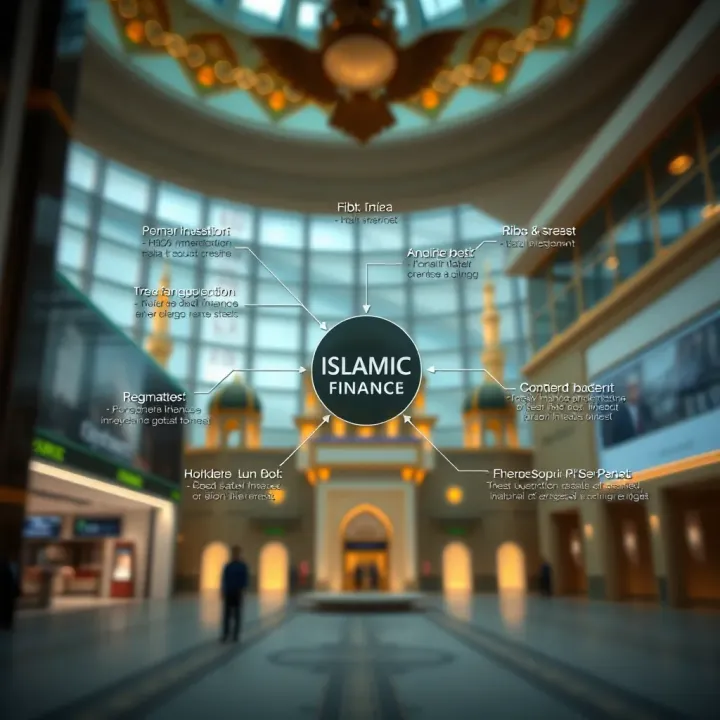
🔎 Explore if Quotex trading is halal as we examine Shariah principles, riba, gharar, and speculation to guide Pakistani traders on ethical online trading practices.
🔍 Wondering if Quotex is a legit online trading platform? Explore its features, regulations, user reviews, and security to see if it suits Pakistani traders.
Based on 10 reviews