
Complete Guide to Quotex Trading in Pakistan
Explore Quotex trading in Pakistan 🇵🇰 with our detailed guide on features, setup, security, risks & tips for smarter online trades 📈💼🔒
Edited By
Sophie Allen
In Pakistan, many traders often ask whether using platforms like Quotex for online trading fits within Islamic principles. With growing interest in digital investment options, it’s important to evaluate such services carefully, especially from the perspective of halal (permissible) financial practices.
Quotex operates as an online trading platform primarily dealing with binary options and digital contracts. Users speculate on price movements of assets like currencies, stocks, commodities, or indices within a fixed time frame. Profits or losses depend on whether predictions about price directions come true.
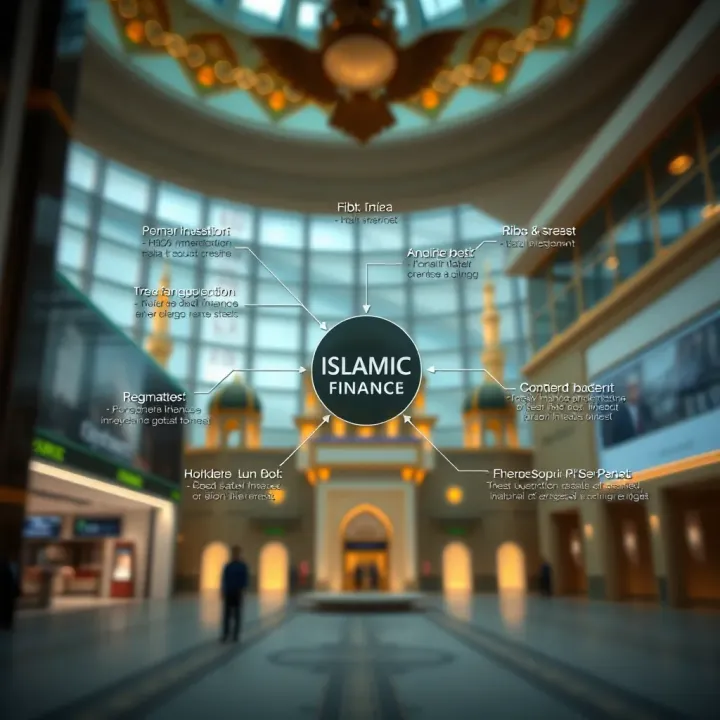
From an Islamic finance standpoint, important factors to consider include the prohibition of riba (interest), gharar (excessive uncertainty), and maysir (gambling or chance-based transactions). Islamic scholars generally discourage any involvement where transactions appear speculative or resemble gambling, as this may violate Shariah principles.
Here are some points to keep in mind when assessing Quotex trading:
Speculation intensity: Quotex’s trading model involves predicting price changes in very short periods, sometimes as brief as a few minutes. This can amount to high speculation with little underlying asset ownership.
Uncertainty and risk: Many trades depend on rapid price movements that are unpredictable, leading to substantial gharar.
No underlying asset ownership: Traders often do not own the physical asset or a share in it, but merely bet on its price outcome.
Interest factors: Although direct interest (riba) might not be involved, some platforms incorporate elements like rollover charges or fees, which could relate to prohibited interest.
The key question is whether such trading is an investment or just gambling under another name. Islamic investors are advised to avoid dubious forms of speculation and focus on asset-backed, real economic activity.
Pakistani traders interested in halal investment should look for platforms that offer clear ownership, fair transparency, and avoid excessive speculation or leverage. Islamic finance tools such as equity investments in Shariah-compliant companies, Sukuk (Islamic bonds), or Islamic mutual funds are better suited.
This article will examine these points in detail to help you decide if Quotex trading aligns with Islamic ethical principles and provides secure, halal trading options.
Before examining whether Quotex trading is halal, it is essential to understand how the platform operates. Knowing its mechanisms helps traders identify potential concerns from an Islamic perspective. This understanding also guides practical decisions about risk management and compliance.
Quotex is an online trading platform focusing mainly on digital options. It allows users to speculate on the price movement of various assets within fixed time frames. For example, a trader might predict whether the price of oil will rise or fall over the next 10 minutes. The platform offers a user-friendly interface suitable for beginners and experienced traders alike.
The core idea behind Quotex involves placing trades that either win or lose based on asset price movements. Unlike traditional trading, where ownership of the asset changes, Quotex only requires a correct prediction of market direction. This significantly simplifies the process but also introduces distinct risks and ethical questions.
Quotex mostly deals with binary options, a form of trading where the outcome is simplified to two possibilities: profit or loss. There are no partial gains; the trader either wins a pre-agreed payout or loses the amount invested. This type of trading offers quick returns but also carries the risk of total loss.
Users can choose different expiry times ranging from 60 seconds to several hours, providing flexibility. This quick turnover appeals to those seeking short-term speculation. However, the speed and simplicity can also lead to impulsive decisions, increasing the chance of losses.
The risk and reward are clear-cut in Quotex trading. If your prediction about an asset’s direction is right, you typically earn between 70% to 90% of your invested amount. On the other hand, a wrong prediction means you lose the entire invested capital. For instance, investing Rs 10,000 and winning a trade could yield a return of Rs 17,000, but losing means the complete Rs 10,000 is gone.
Because the result is binary, the platform resembles a high-risk, high-reward scenario. This differs from trading shares or commodities where the asset's value can fluctuate over time, offering partial gains and long-term holding opportunities.
Binary options are a straightforward form of trading where the trader’s profit or loss is fixed and known upfront. It’s like betting on an event's outcome with clear stakes and returns. For example, if you choose a "Call" option expecting the price to go up, and it does by the expiry time, you get the predetermined payout.
This simplicity makes binary options attractive for people new to trading but also raises concerns. The all-or-nothing nature can resemble gambling, given the high uncertainty and the stake-risk structure.
Quotex offers a range of assets to trade, including commodities like gold and oil, stock indices such as the Dow Jones and Nasdaq, major forex pairs like USD/EUR, and popular cryptocurrencies such as Bitcoin and Ethereum. This variety allows traders to diversify their bets and follow markets they understand better.
The asset choice impacts the risk profile since some markets are more volatile than others. For example, cryptocurrencies tend to have sharper price swings compared to established forex pairs, thus implying different levels of risk.
Placing a trade on Quotex involves selecting the asset, deciding the trade amount, choosing the direction (up or down), and setting the expiry time. Once you confirm, the trade executes immediately. The outcome is settled automatically at expiry based on the asset’s price movement.
The platform offers charts and indicators to help analyse market trends, but trades can still end unpredictably. Due to short expiry times, traders often base decisions on quick guesses or technical signals, making it riskier than standard investing.
Understanding these features helps traders evaluate whether the trading model aligns with their ethical and financial objectives, especially when considering Islamic finance principles concerning risk and fairness.
Islam lays down clear principles to distinguish permissible (halal) trade from forbidden (haram) practices. These foundations are especially relevant when evaluating modern trading platforms like Quotex. Traders need to understand these basics to ensure their investments comply with Shariah and avoid unintended involvement in prohibited activities.
Riba, generally understood as interest or usury, is strictly forbidden in Islam. It involves guaranteed earning without risk or effort, which Islam considers exploitative. In practical terms, halal trade should not involve interest-bearing transactions. For example, a trader should avoid platforms that charge or pay interest on margins or loans, as this violates Islamic financial ethics.
In daily trading, if a platform adds fees in the form of interest or overnight charges, it could lead to involvement in riba. Hence, understanding how fees are structured is crucial before investing.
Gharar refers to excessive ambiguity or uncertainty in a contract that could lead to unfair advantage or unjust loss. Islamic trade emphasises clear terms and transparency to protect all parties. For instance, transactions that depend purely on chance without clear asset ownership or value fall under gharar.
Binary options trading, like on Quotex, involves high uncertainty since buyers wager on short-term price movements with limited information, increasing gharar. Practical relevance lies in avoiding deals where the outcome is highly uncertain or speculative without tangible asset backing.
Islam stresses honesty, fairness, and social responsibility in trade. Fraud, deception, and manipulation are prohibited. Ethical considerations include ensuring truthful advertising, fair pricing, and avoiding harm to others.
For example, a trader should avoid platforms with unclear terms or manipulative practices that can lead to unjust losses. Ethical trading promotes trust and stability in markets, which benefits both individual traders and the wider community.
Islamic finance recognises risk as part of legitimate business, provided it is managed and justified by participation in real economic activity. Profit and loss sharing, equity participation, and asset-backed transactions reflect this philosophy.
In contrast, speculative activities with no underlying asset or contribution are discouraged. Understanding this difference helps traders evaluate if an investment is genuinely productive or merely a risky bet.
Gambling (maysir) involves staking money on uncertain outcomes purely by chance, leading to potential harm and social disorder. Islam prohibits gambling because it exploits chance rather than skill or productive effort.
Trading is considered permissible if based on informed decisions, research, and market knowledge, with real assets involved. For example, investing in shares of a company with tangible business operations differs from betting on the rise or fall of an asset within minutes.
Various Islamic scholars and councils have issued fatwas on modern trading forms. Many emphasise the need to avoid platforms with elements of riba, gharar, or gambling. For instance, the Fiqh Academy of the Organization of Islamic Cooperation (OIC) has highlighted the problematic nature of binary options trading.
Pakistani scholars generally advise caution, recommending adherence to Islamic finance principles and seeking platforms that comply with Shariah guidelines. Traders should consult credible scholarly opinions before engaging in complex trading products.
Understanding these foundations helps Pakistani traders make informed decisions, balancing the opportunities of online trading with Islamic ethical standards and personal faith commitments.
Assessing Quotex trading through Islamic criteria helps traders understand whether this platform aligns with Shariah principles. For Pakistani traders especially, this evaluation highlights if trading activities are permissible or not, guarding them from risks tied to unethical financial dealings. It focuses on critical Islamic concepts such as riba (interest), gharar (uncertainty), and the thin line between trade and gambling.
In Islamic finance, riba means any guaranteed interest on loan or investment, which is strictly prohibited. When evaluating Quotex, it’s essential to check if the platform’s trading model involves earning fixed or guaranteed interest returns irrespective of actual business activity. Quotex operates through binary options, where profits depend solely on price movements, not pre-agreed interest rates.
However, traders should be wary of any hidden fees or rollover charges disguised as interest. Often, platforms may impose fees for holding positions overnight or for late settlements, which could be akin to riba. In Quotex’s case, the majority of trades are short-term with no position rollover, and the platform typically charges fixed trading fees rather than interest, reducing the riba concern significantly.
Gharar refers to excessive uncertainty or ambiguity in contracts, which Islam forbids to protect parties from fraudulent or unfair dealings. Quotex’s trading is highly speculative and short-term, often lasting mere minutes. This speculative nature introduces considerable uncertainty, as traders bet on price movements without owning the underlying asset.
Moreover, the short duration contracts increase unpredictability. For example, predicting the direction of a currency pair in the next 5 minutes is speculative and uncertain, which can resemble gambling in Islamic viewpoint. Such uncertainty makes it challenging to categorise Quotex trading as fully compliant, since clear terms and ownership should be established for a trade to be halal.
Binary options trading on Quotex shares characteristics with gambling because the outcome depends on chance within a short time frame. The trader bets on whether an asset’s price will rise or fall, akin to placing bets in a casino. This similarity raises concerns about ethical acceptability under Islamic law.
When comparing to traditional gambling, the key difference lies in underlying value. In ethical trading, investments support real economic activities, but binary options often lack substantive backing. This speculative betting can lead to addiction or financial harm, a reason why many Islamic scholars categorise such trading as impermissible gambling.
Traders must understand the risks and evaluate both financial and Shariah compliance aspects before engaging with platforms like Quotex. Caution and informed judgment are essential to avoid falling into prohibited activities.
In summary, while Quotex avoids explicit riba, the high uncertainty and speculative short-term contracts raise questions about its alignment with halal trading standards. Pakistani traders should weigh these factors carefully and consider alternative Shariah-compliant avenues.
Pakistani traders considering Quotex need clear guidance rooted in both Islamic principles and local market realities. This ensures their trading activities not only align with religious ethics but also protect their financial interests. Pakistani traders face unique challenges, including ambiguity about the Shariah compliance of digital trading platforms and the risks of unregulated markets. This section offers practical advice tailored to these concerns.
Prominent scholars in Pakistan have voiced cautious views on online trading, especially where rapid speculation is involved. While some scholars accept trading conducted on well-regulated, transparent platforms as permissible, the speculative nature of binary options trading on platforms like Quotex raises concerns. Scholars emphasise that trading resembling gambling or involving excessive uncertainty conflicts with Shariah ethics.
Regarding compliance, religious authorities stress that Pakistani traders must avoid platforms with undisclosed fees or interest-based earnings. Trades should involve real assets or investments with tangible economic activity rather than mere bets on price movements. It is advised to seek platforms that follow Shariah supervisory boards or provide clear contracts avoiding riba and gharar.
Pakistani investors can consider Shariah-compliant investment accounts offered by Islamic banks such as Meezan Bank and BankIslami. These accounts typically avoid interest and invest in real economic ventures, offering steady returns without contravening Islamic law.
Islamic finance products like Sukuk (Islamic bonds) and Islamic mutual funds are widely available in Pakistan and Pakistan Stock Exchange offers Shariah-compliant indices for safer investment. These products offer trade and investment chances free from riba and undue speculation, aligning better with Islamic principles.
Due diligence is critical for ethical trading. Traders should verify the platform's regulation status, user reviews, and payment structures before committing funds. Risk management strategies such as limiting trade amounts and avoiding margin trades help reduce exposure to losses.
Further, traders must steer clear of platforms with opaque policies, unreasonable fees, or aggressive marketing promising guaranteed profits. These warning signs often indicate dubious practices that contradict ethical investment. Staying informed about local regulatory warnings and consulting knowledgeable financial advisers or Islamic scholars can guide safer decision-making.
Careful selection and adherence to Shariah principles can help Pakistani traders engage in online trading ethically, avoiding pitfalls common with speculative platforms like Quotex.
Explore Quotex trading in Pakistan 🇵🇰 with our detailed guide on features, setup, security, risks & tips for smarter online trades 📈💼🔒
Explore how Pakistani traders can start using Quotex with ease! Learn about platform features, asset types, strategies 📈 and local regulations ⚖️.

Explore the Islamic view on trading in Pakistan 🇵🇰, understanding what makes it halal or haram, with key guidelines to trade responsibly and ethically 📊🕌

Discover the best trading websites in Pakistan 📈 Compare fees, tools, security, and support to choose the right platform for stocks, commodities & Forex trading.
Based on 9 reviews