
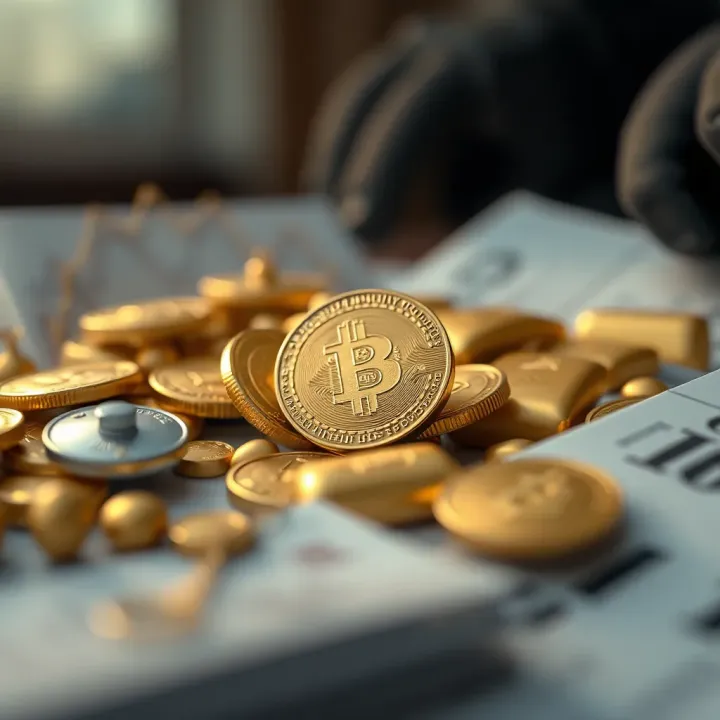
Gold Future Predictions for Pakistani Investors
📈 Explore gold future predictions with expert insights, market trends, and risks for investors navigating Pakistan’s economic challenges and opportunities. 🪙
Edited By
Sophia Mitchell
Gold remains a key asset for investors and consumers in Pakistan, often seen as a safe haven during economic uncertainty. Predicting its price over the next five years requires a close look at both global and local influences that could push prices up or down.
Globally, factors like inflation rates, central bank policies, and geopolitical tensions affect gold demand. For instance, if inflation rises worldwide or conflicts escalate, gold typically becomes more attractive as a store of value. Conversely, if interest rates increase sharply, gold tends to lose some of its appeal as it yields no interest.
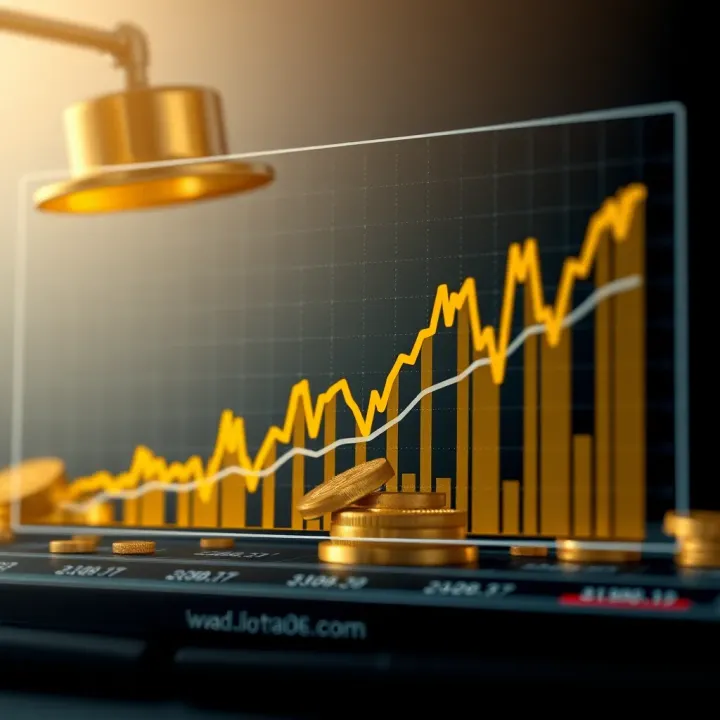
Within Pakistan, currency fluctuations play a critical role. The Pakistani Rupee (PKR) often experiences volatility, which directly impacts the local gold price since gold is traded internationally in US dollars. When the rupee weakens, the price of gold typically rises in local currency terms, making it costlier for consumers and investors.
Economic factors such as inflation, balance of payments, and political stability also influence gold prices domestically. If inflation stays high or political uncertainty grows, investors might flock to gold to protect capital. Additionally, government import regulations and duties on gold can affect its availability and price.
Investor behaviour is evolving too. Growing awareness about financial planning and digital investment options like gold-backed Exchange Traded Funds (ETFs) are changing how Pakistanis invest in gold. This trend could affect physical gold demand and influence price movements.
Understanding these factors helps investors in Pakistan make informed decisions about when and how to buy or sell gold over the coming years.
In summary, the next five years will see Pakistani gold prices shaped by a mix of international monetary trends, rupee dynamics, local economic conditions, and changing investor habits. Tracking these will give investors an edge in navigating this vital market sector.
Understanding the dynamics of Pakistan’s gold market is essential for anyone interested in predicting gold prices over the next five years. Gold in Pakistan is not just a commodity but also a cultural symbol and a preferred investment avenue. This section sets the stage for comprehending how local and global forces combine to shape the price trends and why it matters to investors, traders, and consumers alike.
Gold prices in Pakistan currently hover around ₹110,000 per tola, reflecting pressures from global rates and local factors such as inflation and currency movements. Prices have shown volatility amid currency depreciation and rising import duties. For example, when the Pakistani rupee depreciated by 5% against the US dollar in early 2024, gold prices surged nearly 3% within a fortnight. The market’s response to supply disruptions, such as import restrictions or global mining slowdowns, also plays a clear role. Traders track these local fluctuations closely, as they diverge somewhat from international gold prices due to local taxes and demand patterns.
Gold holds a dual role in Pakistan’s economy—as a store of value and a hedge against inflation, especially in uncertain times. It remains a preferred investment for households, often purchased during weddings and festivals. Roughly 40% of the country’s gold demand comes from jewellery, while investment demand via coins and bars accounts for a significant portion. Unlike other financial assets, gold provides a tangible asset that many Pakistanis trust amidst bouts of political instability and currency volatility. Indeed, the Reserve Bank of Pakistan (RBP) sometimes holds gold reserves as part of its foreign exchange strategy, reflecting the metal’s importance in monetary stability. Investors often see gold as a shield against inflation, especially during years when the general price level rises by 10% or more.
For Pakistan, gold’s enduring appeal lies in cultural significance and practical investment value—both of which heavily influence market dynamics today.
The next sections will examine the external and internal factors impacting gold prices, helping investors make informed decisions for the coming years.
Understanding what drives gold prices worldwide and in Pakistan is essential for forecasting trends effectively. Gold's value is shaped by various intersecting forces, including economic shifts, geopolitical tensions, and currency movements. Let’s break down these key factors.
Global economic health strongly affects gold prices. When economies slow down or inflation rises, investors often turn to gold as a safe haven. For instance, during the inflation surge experienced globally post-2020, gold prices saw upward pressure as fiat currencies weakened. Inflation erodes the purchasing power of cash, pushing investors towards tangible assets like gold. Conversely, when central banks around the world, including the US Federal Reserve and the European Central Bank, tighten monetary policy or raise interest rates, gold can dip since fixed-income yields become more attractive. Pakistani investors feel this impact through imported gold prices and international market sentiment, given their dependence on global bullion trends.
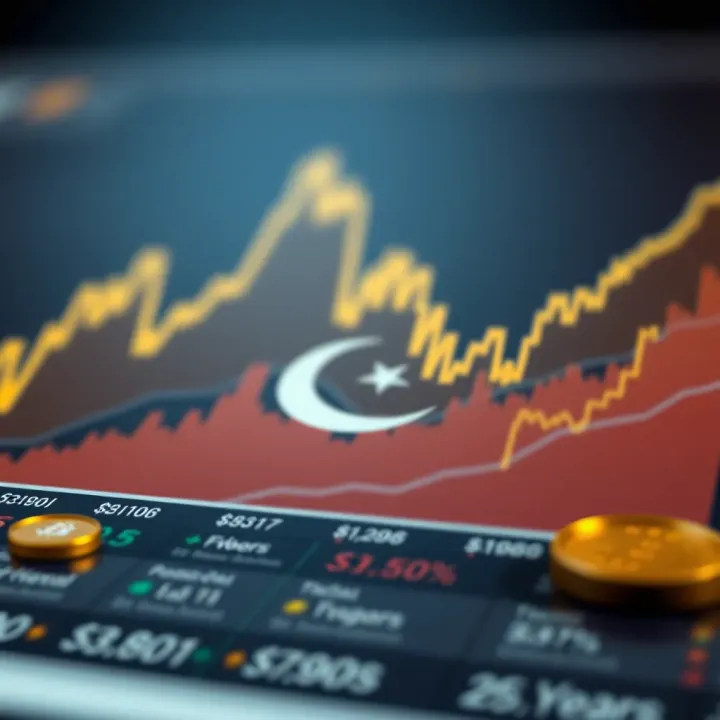
Geopolitical uncertainties tend to boost demand for gold. Conflicts, trade tensions, or political unrest spark fear in markets, driving investors to safer assets. For example, instability in the Middle East or the recent Ukraine conflict caused temporary spikes in gold prices. In Pakistan’s context, any regional conflicts or border tensions with neighbouring countries can similarly push investors towards gold, affecting local demand and prices. At the same time, international sanctions or embargoes on some countries might disrupt gold supply chains, indirectly impacting prices in Pakistan as import costs fluctuate.
Gold is priced internationally in US dollars (USD), so changes in currency values influence local gold rates. For Pakistani buyers, the Pakistan Rupee (PKR) depreciation against the USD makes gold more expensive to import. For instance, a 5% weakening of the PKR versus the dollar directly raises the rupee cost of gold, even if global prices remain flat. This exchange rate sensitivity means that FX market shifts often have immediate impacts on local gold rates. Additionally, remittance inflows and trade balances affecting PKR stability can cause volatility in gold prices. For potential investors and consumers in Pakistan, monitoring currency trends is as vital as tracking global gold movements.
In summary, global economic outlook, geopolitical developments, and currency strength form a triad that continuously shapes gold pricing dynamics in Pakistan. Keeping a close eye on these factors helps traders and investors make informed decisions amid changing market conditions.
Economic Pull: Inflation trends & interest rates worldwide
Geo Risks: Conflicts & political uncertainty stimulating safe-haven demand
Currency Link: USD-PKR exchange rates directly impacting import costs
These factors together determine whether gold becomes a preferred investment or an expensive commodity in Pakistan's market environment.
Economic and political conditions in Pakistan deeply influence gold prices within the country. Unlike global trends, local factors such as inflation, interest rates, and government policies shape demand and supply dynamics. For investors and traders, understanding these specific factors is essential for anticipating gold price movements and making well-informed decisions.
Pakistan has been facing persistent inflationary pressures, often ranging between 8% to 12% annually in recent years. High inflation usually pushes investors towards gold as a safe store of value, driving demand up. Interest rates also play a crucial role. When the State Bank of India (SBI) raises the policy rate to control inflation, borrowing costs increase, reducing disposable income. This can lower gold purchases in the short term. Conversely, lower interest rates make financing gold investments easier, encouraging buying. For instance, during periods when Pakistan's benchmark interest rate dropped close to 7%, gold demand witnessed a noticeable rise.
Political uncertainty in Pakistan, such as government changes, policy reversals, or security concerns, tends to spook investors. Market confidence falls, leading many to turn towards gold as a hedge against risk. For example, during election years or political crises, gold prices often spike as more people buy physical gold or jewellery for safety. A stable political environment, on the other hand, encourages investment in equities and fixed income, which can temper gold demand. Traders should watch ongoing political developments closely as even minor instability can ripple through financial markets.
Pakistan imports the majority of its gold, so import duties and taxes significantly affect local prices. Recent government policies have seen import duties fluctuate between 2% and 5%, alongside sales tax and regulatory duties. Higher duties increase the local gold price, sometimes creating a gap between international and domestic rates. For example, after import duty hikes in late 2021, buyers in Pakistan faced steeper gold prices despite stable global rates. Furthermore, policy changes on taxing capital gains from gold transactions also influence investor behaviour. A clearer, more favourable tax regime can boost formal investment flows in gold, while complex taxation or heavy levies may encourage unreported transactions.
Investors and traders should closely monitor inflation data, interest rate announcements, political news, and government policy declarations related to gold. These factors will shape gold price trends in Pakistan more immediately than many global influences, especially for short to medium-term horizons.
By understanding these economic and political factors specific to Pakistan, investors can better anticipate gold price shifts and adjust their strategies accordingly.
Understanding the predicted trends for gold prices in Pakistan offers valuable guidance for traders, investors, and consumers planning their financial moves. By analysing market indicators, regional economic activities, and shifts in investor sentiment, one can get a clearer picture of how gold's value may evolve and plan investments or purchases accordingly. For instance, timely awareness of an upward trend could help buyers avoid price surges during festive seasons.
Current indicators like global inflation rates, Pakistan's currency stability, and international gold demand set a foundation for price forecasts. As inflation rises worldwide, investors often turn to gold as a hedge, pushing prices up. Similarly, a depreciating Pakistani rupee typically makes gold more expensive locally, given imports are paid in foreign currency. For example, when the rupee slipped against the US dollar in 2023, gold prices in Karachi and Lahore saw a notable increase, signalling currency value’s influence on domestic prices.
Traders should watch central bank policies closely, particularly the Reserve Bank of India (RBI) and State Bank of Pakistan, as rate shifts affect investment flows and liquidity. These financial signals, combined with global trends in gold futures and ETFs, help predict short- to medium-term price movements realistically.
Economic shifts in neighbouring countries like India and China, which consume large amounts of gold, significantly affect Pakistan's gold market. Trade relations, import duties, and regional stability play big roles. For example, if India hikes import duties, demand could drop there, easing pressure on global prices and indirectly affecting Pakistan.
Likewise, improvements in trade corridors such as the China-Pakistan Economic Corridor (CPEC) might strengthen Pakistan’s economy, boosting purchasing power and gold investment locally. Conversely, regional tensions can cause price volatility, as seen during past South Asian geopolitical conflicts.
Investor confidence in gold as a safe haven shapes demand patterns. In uncertain political or economic times, gold-buying spikes. Take the onset of the COVID-19 pandemic when many turned to gold, driving global prices to record heights. In Pakistan, traditional demand peaks during festivals like Eid and weddings also affect price trends.
Furthermore, growing interest in digital gold and financial products linked to gold among younger investors may change demand dynamics. Understanding these shifts helps investors time their entries and exits better, balancing risk and returns.
Keeping an eye on these trends helps you make informed decisions amid Pakistan's unique economic and social landscape, ensuring your gold investments stay profitable and timely.
Understanding the implications of gold price trends is essential for both investors and consumers in Pakistan. This awareness allows them to make informed decisions amid the country's economic uncertainties, currency fluctuations, and changing government policies. Given gold's role as a safe haven asset, practical strategies and advice can mitigate risks and help optimise returns or savings.
In uncertain economic times, diversifying gold investments is key. Investors should consider a mix of physical gold, such as coins and jewellery, along with digital gold platforms and sovereign gold bonds offered by the government. For example, sovereign gold bonds provide fixed interest besides capital appreciation and also relieve investors from storage and security concerns.
Timing also matters. Buying gold during market dips triggered by temporary political instability or currency weakness can yield better returns. However, holding gold long term generally helps hedge against inflation, which has remained high in Pakistan recently. Systematic investment plans (SIPs) in gold ETFs (Exchange-Traded Funds) can help average the purchase cost and reduce the impact of volatility.
Political changes and tax policy updates also affect returns. Investors should stay alert on any new import duties or levies that could influence local gold prices. Collaborating with trusted dealers and certified platforms helps avoid fraud and ensures purity standards.
For everyday consumers buying gold, especially during occasions like Eid or weddings, price transparency and purity are crucial. Consumers should rely on authorised jewellers and verify karat marks carefully. Given fluctuating prices, it pays to compare rates from multiple sources and avoid buying at peak price times.
Consumers might also explore lightweight jewellery designs, which are more affordable yet retain gold's investment value. Securing authentic receipts and safekeeping documents is essential for future resale or valuation.
Since gold is often purchased as a store of value, planning purchases when the Pakistani rupee is relatively stable against the US dollar can reduce exposure to currency risks. Using EMI options or festive season discounts from trusted brands can make gold affordable without compromising quality.
In short, both investors and consumers benefit from patience, research, and cautious timing. Staying updated about economic policies, geopolitical developments, and market trends equips them to protect and grow their wealth through gold investments.
By factoring in these practical strategies and advice, readers can approach Pakistan’s gold market with greater confidence over the next five years.
📈 Explore gold future predictions with expert insights, market trends, and risks for investors navigating Pakistan’s economic challenges and opportunities. 🪙
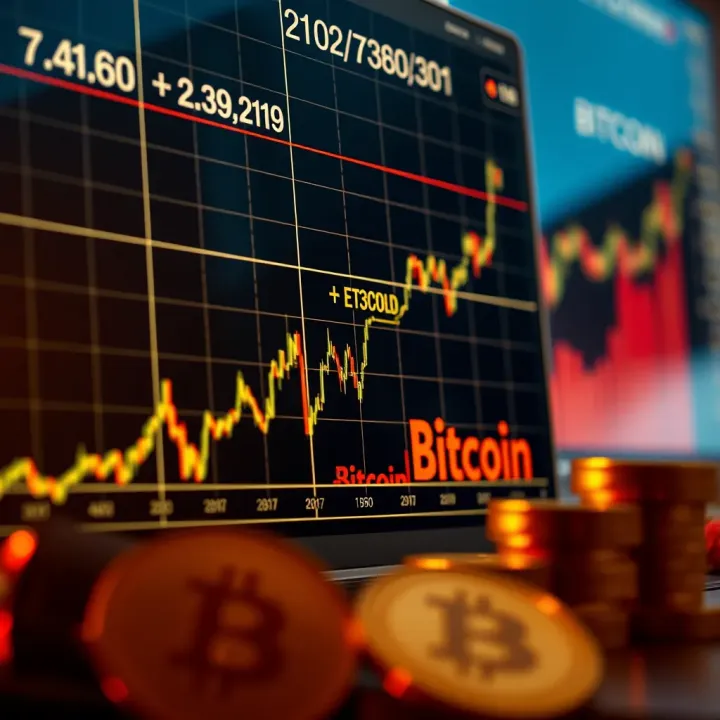
Explore bitcoin price trends, forecasting methods, and risks in Pakistan's crypto market to make smart investment choices with clearer insights and updated analysis 📊💡
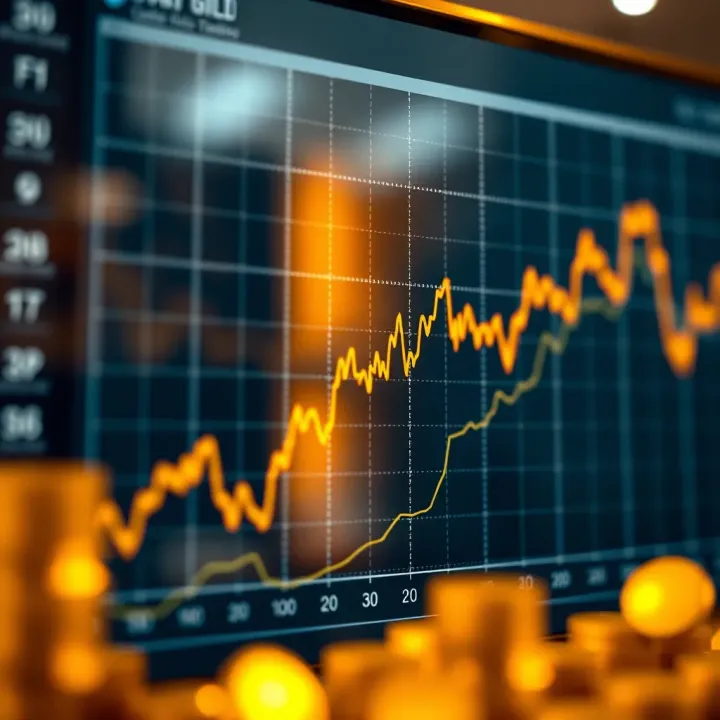
📈 Discover key factors shaping gold prices in Pakistan and get a reliable forecast for next week's gold rate. Stay informed for smart buying and investing decisions!
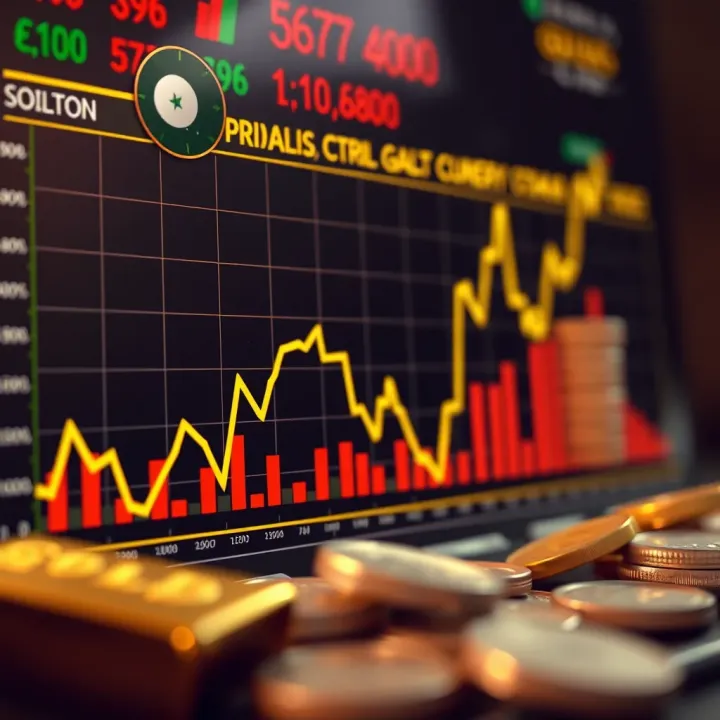
📈 Explore gold price trends in Pakistan, factors affecting demand like economy and currency, plus how global events influence future gold investments and market outlook. 💰
Based on 14 reviews