
Guide to Forex Trading for Pakistani Investors
Explore 4x trading in Pakistan 🇵🇰 with this guide: learn key players, strategies, risks, regulations, and hands-on tips for safe forex investing 💹
Edited By
Benjamin Clark
Forex trading, short for foreign exchange trading, can seem like a wild beast to many, especially here in Pakistan where the market conditions and regulatory landscape add their own twists. Yet, it's one of the most accessible and potentially profitable avenues for those willing to learn the ropes. This practical guide is designed to clear the fog around forex trading for Pakistani traders—from students curious about the financial world to seasoned investors exploring diversification.
We'll dig into the nuts and bolts of how currency trading works, the key players involved, and why understanding market dynamics here at home matters. Beyond that, we’ll lay out strategies tailored to everyday traders and highlight how to keep risks manageable in a fast-moving game. Importantly, legal considerations in Pakistan’s forex scene will also be on the table so you won't be caught off guard.
Whether you're thinking about dipping your toes in forex trading or looking to sharpen your skills, this guide aims to arm you with practical knowledge and the confidence to make informed decisions. So let's get acquainted with the basics before moving on to finer details, making sure you grasp what’s essential and what makes forex trading tick in the Pakistani context.
"Trading forex without knowledge is like setting out on a journey without a map. Understanding the terrain is half the battle won."
Here’s what to expect as we move ahead:
Clear explanation of forex basics and how currency pairs work
Overview of participants in the forex market
The significance of major global events and how they impact Pakistani traders
Key strategies for trading that balance opportunity and risk
Risk management techniques to protect your capital
Regulatory framework affecting forex trading in Pakistan
Ready to take a closer look? Let's start by breaking down the core concepts and market setup so you can see beyond the jargon and into practical action steps.
Understanding forex trading is the first step for anyone in Pakistan who wants to tap into the world’s largest financial market. This market isn’t just for big banks or hedge funds—retail traders, including those from Pakistan, have more access than ever before, thanks to online platforms and brokers. Knowing what forex trading involves helps you grasp how money moves across borders, why currencies fluctuate, and how traders can profit.
For example, a Pakistani trader looking to buy US dollars using Pakistani rupees essentially participates in forex trading. This is more than just exchanging money before travel; it’s about anticipating currency price changes to gain returns. Grasping these basics lays the groundwork for smart decisions, reducing guesswork and helping you manage risks effectively.
Forex trading, short for foreign exchange trading, is buying and selling currencies to profit from changes in their values. Imagine you believe the Euro will strengthen against the US dollar; you buy the EUR/USD pair hoping the Euro rises. If it does, you sell back at a higher price, making a profit. The forex market operates 24 hours, five days a week, making it dynamic and accessible.
Key principles include liquidity (since currency pairs are traded in huge volumes), volatility (prices can swing quickly), and leverage (traders can control larger positions with smaller capital). For Pakistani traders, understanding how leverage works in the context of local regulations is important to avoid overexposing themselves.
Currencies in forex aren't traded alone but always in pairs. The first currency in a pair is the base currency; the second is the quote currency. For example, in USD/PKR, USD is the base and PKR the quote. If the price is 285.50, it means one US dollar costs 285.50 Pakistani rupees.
This pairing system shows the relative value between two currencies at any given time. Traders buy pairs if they think the base currency will strengthen or sell if they expect it to weaken. Understanding this concept is vital because buying USD/PKR and selling USD/PKR are different trades with opposite outcomes.
Central banks like the State Bank of Pakistan play a major role in forex markets by managing currency reserves and setting monetary policies that influence exchange rates. When the State Bank intervenes to stabilize the PKR, it may buy or sell dollars, impacting price movement.
Governments also affect forex through fiscal policies or political decisions that sway investor confidence. Pakistani traders should keep an eye on such actions because they can suddenly shift market trends.
Big banks and financial institutions facilitate the bulk of forex transactions. They act as market makers, providing liquidity and enabling smooth currency exchange. For instance, Habib Bank or Standard Chartered Pakistan handles substantial forex flows daily.
These entities often trade huge volumes for corporate clients or themselves and can influence short-term price swings. Retail traders notice this activity indirectly through price quotes and market volatility.
Finally, retail traders—individuals like you—enter the forex scene using brokers to access currency markets. Brokers act as intermediaries, offering platforms such as MetaTrader 4 or 5 where you can buy or sell currency pairs.
Pakistani traders might use brokers like XM, OctaFX, or local firms that support PKR deposits. Understanding the broker’s role helps you pick a reliable partner to ensure fair pricing and timely order execution.
Forex trading is like a bustling marketplace where everyone from governments to individuals participates. Knowing who’s who and how the market ticks gives Pakistani traders an edge in making informed choices.
Understanding how the forex market operates is a must for anyone looking to trade currencies successfully, especially for Pakistani traders navigating global markets. It explains why currencies move, when the market is most active, and how price dynamics work. This knowledge helps traders make smarter decisions, avoid unnecessary risks, and spot better trading opportunities.
The forex market is unique because it runs 24 hours a day, five days a week, thanks to its global nature. But not every moment is equally active or profitable for trading. This is where major forex trading sessions come into play.
Major Forex Trading Sessions: There are four main sessions — Sydney, Tokyo, London, and New York — each tied to the main global financial centers. The London session often sees the highest liquidity because it overlaps with other sessions and involves a lot of market movers from Europe. Tokyo and Sydney handle Asian market activity, while New York covers North America.
For example, a Pakistani trader might find the London/New York overlap (around 8 AM to 12 PM PKT) particularly lively, with sharper price movements and tighter spreads.
Best Times for Trading: While the market is open most of the day, the best times to trade are during session overlaps or when major economic news is released. These periods typically see increased volatility, which creates more opportunities for profit. A practical tip: avoid trading during very quiet times, like the Tokyo/Sydney overlap late at night for PK traders - it can mean low liquidity and wide spreads, which eats into profits.
Grasping how price moves and what currency pairs represent is foundational.
Understanding Base and Quote Currencies: Every forex pair has a base currency and a quote currency. For instance, in the pair USD/PKR, USD is the base, and PKR is the quote. This means when the price moves from 160 to 161, the USD has strengthened against the PKR, and it now costs more Pakistani rupees to buy one US dollar.
Recognizing this helps traders decide the direction of their trades. If you expect the PKR to weaken due to economic conditions, you might buy USD/PKR to profit from that movement.
Major, Minor, and Exotic Pairs: Major pairs always include the US dollar and feature currencies from strong economies like EUR/USD and GBP/USD. They offer tighter spreads and higher liquidity, making them ideal for new traders.
Minor pairs exclude the US dollar but still involve strong currencies, such as EUR/GBP. Exotic pairs pair a major currency with one from an emerging market, like USD/TRY or USD/PKR. These have wider spread and can be more volatile, so they carry higher risks but also chances for bigger gains.
For Pakistani traders, understanding the difference between these pairs is key. Exotic pairs like USD/PKR can be tempting due to familiarity, but major pairs might offer smoother trading conditions.
Mastering how and when the forex market operates, alongside understanding currency pairs, gives traders a clearer path and better control to navigate the market’s ups and downs.
Understanding essential forex trading concepts is a must for anyone looking to trade currencies confidently. These foundational ideas help clear up how trades function and what factors influence profits and losses. In the context of Pakistani traders, grasping these basics isn’t just academic—it’s the difference between navigating the market like a pro or drowning in confusion.
Take leverage and margin, for example. These concepts can magnify gains but also amplify losses, especially if you’re trading with money borrowed from the broker. Knowing their ins and outs helps you manage risks better and avoid surprises. Likewise, understanding what spreads and pips represent affects how you calculate costs and earnings on every trade.
These basics might seem like small details, but they shape every decision you make in forex trading. Learning and applying them build a strong foundation that supports more advanced strategies while helping you manage the very real risks involved.
Leverage in forex trading allows you to control a large position with a relatively small amount of money. Think of it as a loan from your broker: with $100 and 10:1 leverage, you can trade $1,000 worth of currency. This can greatly increase potential profits without needing a huge upfront investment.
For example, if the USD/PKR pair moves 100 pips in your favor, your profit would be larger with leverage than trading without it. This is why leverage is especially popular among Pakistani traders who often start with limited capital.
But remember, leverage is a double-edged sword. While it boosts gains, it also boosts losses. So always use leverage cautiously and stay clear on how much margin your broker requires to keep positions open.
Using high leverage is tempting but risky. If the market moves against your position, losses can pile up fast, sometimes exceeding your initial investment. This is why many new traders get caught up in the “high leverage trap” and wipe out their accounts quickly.
A practical approach is to use leverage conservatively. For Pakistani traders especially, sticking to lower leverage ratios like 5:1 or 10:1 instead of 100:1 reduces risk and pressure. Also, always keep an eye on margin levels to avoid sudden liquidation by your broker.
Using leverage without a solid risk management plan is like rushing into a storm without an umbrella. It can get messy quick.
A pip is the smallest price move in a currency pair, usually the fourth decimal place in most pairs. In USD/PKR, a pip is often the movement of 0.01 (since PKR quotes often use two decimal places).
Why does this matter? Because pips measure how much a currency’s value has changed, and this directly translates into profits or losses. For example, if USD/PKR moves from 280.30 to 280.40, that’s a 10-pip move.
For Pakistani traders, understanding pips helps in setting realistic profit targets and stop-loss orders, so you don’t shoot in the dark hoping for lucky strikes.
The spread is the difference between the bid (selling price) and ask (buying price) of a currency pair. It’s essentially the broker’s fee built into every trade. There are two main types:
Fixed Spread: Does not change regardless of market conditions. Useful for beginners who want predictable costs.
Variable Spread: Fluctuates based on market liquidity and volatility. Can be narrow during busy trading hours but widen during off-hours or news events.
For Pakistani traders, spreads matter because wide spreads can quietly eat into profits. For instance, a 5-pip spread on USD/PKR means you start a trade 5 pips in the red, so the market must move that much before you break even.
Choosing brokers offering tight spreads like FXTM or Exness can significantly improve trading outcomes. Always weigh the spread costs against other factors like platform reliability and customer service.
Getting these essential forex trading concepts down can transform how you approach trades—from blind stabs to informed decisions. It's about knowing the tools and how they affect your money, especially when you're working with limited capital or volatile currency pairs like those involving PKR.
Forex trading isn't just about picking a pair and hoping for the best. Using well-planned strategies can turn the odds in your favor, especially when you know which ones fit your style and goals. For Pakistani traders, understanding popular strategies gives you a roadmap — whether you're aiming for quick wins or steady growth, these approaches help organize your trading activity.
Chart patterns are like the market's own storytelling method. When you spot patterns like head and shoulders, double tops, or triangles on the trading charts, you're basically seeing the crowd's behavior laid out visually. For example, a double bottom pattern often signals a potential rise after a downtrend, hinting you might want to consider entering a buy position. These patterns help traders anticipate possible price moves without diving into complicated math.
Indicators and oscillators take it a step further by providing extra signals based on price data and volume. Tools like the Relative Strength Index (RSI) or Moving Average Convergence Divergence (MACD) inform you if a currency pair is overbought or oversold. Let’s say the RSI for USD/PKR hits above 70; that's a red flag suggesting the pair could soon pull back. Such indicators assist you in timing entries and exits more wisely, though it’s best used alongside other analysis forms.
Economic indicators act like checkpoints for a country’s financial health. Data such as Pakistan’s inflation rate, interest rate announcements by the State Bank, and GDP growth numbers can heavily influence the PKR's value against other currencies. For instance, if inflation unexpectedly rises, it might push the central bank to hike interest rates, often strengthening the Pakistani rupee on forex markets.
The impact of news and events can shake up the forex scene instantly. Political stability, trade negotiations, or sudden policy changes in Pakistan can send ripples through the currency markets. A quick example: A surprise change in trade tariffs might lead to swift PKR volatility. Staying up to date with credible news sources helps you dodge unexpected losses or take advantage of market swings.
No single strategy holds all the answers. Using multiple approaches means you blend technical and fundamental insights to make better-informed trades. A trader might follow chart patterns to spot entry points but confirm the trade by checking economic reports or news that could affect the pair.
Adapting strategies to market conditions is key because forex markets never stay the same for long. What works during high volatility may fail when things settle down. Pakistani traders, for example, might shift to conservative trading during major political events and then return to aggressive moves once calm resumes. Flexibility in your approach prevents getting stuck in one way of thinking and helps you stay ahead of market twists.
Understanding and actively using these strategies builds a strong foundation in forex trading, especially within the unique market environment Pakistani traders operate in.
Managing risks in forex trading is what stands between a trader and big losses. For Pakistani traders, who often face volatile market conditions and limited local regulatory oversight, risk management isn’t just a safety net—it's a necessity. Without setting clear safeguards, you could easily end up chasing your tail, losing more than you can afford. Think of risk management as your trading seatbelt, helping you survive the bumps on this fast lane.
Stop loss and take profit orders are your frontline defense against unpredictable market swings. Placing a stop loss means telling the system exactly how much you’re ready to lose before exiting a position automatically. This limits the damage when things don’t go your way. For example, if you buy USD/PKR at 285 and set a stop loss at 280, your loss is capped at that point even if the price crashes further.
Likewise, take profit locks in gains by closing trades once your target price is hit. This prevents the common pitfall of holding on too long and watching profits vanish. Setting stops is crucial because markets don’t wait for you to catch up. Without these precautions, emotional decisions often creep in, pushing you off course.
A good rule of thumb is to aim for a risk-to-reward ratio of at least 1:2, meaning your potential reward should be twice the risk you're willing to take. For example, risking 1000 PKR on a trade with a profit target of 2000 PKR is ideally a smart move.
Pakistani traders often get tempted to chase quick wins, ignoring how much they risk compared to what they stand to earn. Balancing risk and reward pushes you to pick trades with a favorable outcome and avoid those that are just too risky. Keeping this balance consistent over time helps protect your capital for the long haul.
One of the fastest ways to burn your account is overtrading. This usually happens when traders jump on every little fluctuation in the market hoping to make quick bucks, but end up paying high spreads and commissions. In Pakistan, where spreads might be wider on some brokers, this mistake can be especially costly.
Emotions like fear and greed often drive overtrading. For instance, after a couple of losses, a trader might double down recklessly trying to recover fast. This knee-jerk reaction almost always worsens losses. Recognizing these emotional triggers and taking a step back can save you from spiraling out of control.
A trading plan is like a map for your trading journey. Without it, you’re just wandering aimlessly. The plan includes your entry and exit rules, risk limits, how much capital you will risk per trade, and criteria for choosing those trades.
Especially for Pakistani beginners, a solid plan brings discipline and consistency. It prevents impulsive moves and ensures you maintain control no matter how tempting the market swings get. Review and update it regularly to stay aligned with your experience and changing market conditions.
Proper risk management and sticking to a trading plan are the cornerstones of forex success. They keep emotions in check and protect your money from avoidable mistakes.
In short, managing risk in forex trading boils down to controlling losses, protecting profits, and avoiding the traps of overtrading and impulsiveness. Pakistani traders equipped with these skills are in a better spot to handle the ups and downs of forex markets confidently.
Picking out the right forex broker is one of the most important steps Pakistani traders can take to safeguard their investments and boost their chances of success. A broker isn’t just a middleman—they provide the platform, tools, and support that can make or break your trading experience. Without a trustworthy broker, even the sharpest trading strategies fall flat.
Regulation is your safety net. It means the broker operates under the watchful eye of a recognized authority, which helps prevent fraud and ensures fair treatment. In Pakistan, traders should look for brokers regulated by credible bodies such as the Financial Conduct Authority (FCA) in the UK, the Australian Securities and Investments Commission (ASIC), or the Cyprus Securities and Exchange Commission (CySEC). Note, the State Bank of Pakistan currently does not regulate forex trading brokers, so international regulation adds a layer of trust.
Check if the broker is licensed and registered. You can often find this information in the footer of their website or in their ‘About Us’ section. Also, look for transparency in fund segregation, which ensures your money is kept separate from the broker’s operational funds.
A solid trading platform makes life easier. Most Pakistani traders gravitate towards platforms like MetaTrader 4 and 5, known for their user-friendly interface, wide array of indicators, and automated trading options. But don’t overlook brokers offering platforms like cTrader or their proprietary software if they have useful features.
Ask yourself what you need: live charts, fast order execution, mobile access, or comprehensive analysis tools? For instance, if you’re keen on technical analysis, tools that allow customizable indicators or script automation might be a must.
Good customer support can be a lifesaver, especially when you hit a snag or need urgent assistance. Look for brokers who offer multiple support channels like live chat, phone, and email, preferably with support available during Pakistan’s trading hours.
When it comes to deposits and withdrawals, convenience matters. Brokers who accept local payment methods such as bank transfers within Pakistan, or popular e-wallets like JazzCash or EasyPaisa, provide a smoother, quicker experience. Avoid brokers with complicated withdrawal processes or hidden fees which can cost you precious time and money.
Local brokers tend to understand the domestic market better and often provide support tailored to Pakistani traders, including local language options and payment methods. For example, firms like TopFX have a presence in Pakistan. However, they may have less variety in trading instruments or less robust regulatory oversight.
International brokers offer a wider range of currency pairs, better technology, and usually stronger regulation. Well-known names like IG, XM, or Pepperstone are popular among Pakistani traders due to their reliability and strong global reputations.
Each comes with trade-offs: local brokers might be easier to work with day-to-day, but international brokers often bring more trust and a larger variety of tools.
MetaTrader 4 (MT4) and MetaTrader 5 (MT5) dominate the scene due to their flexibility and extensive community support. Many Pakistani traders appreciate MT4’s simplicity for straightforward trading, while others prefer MT5 for its advanced features and additional assets.
Aside from MetaTrader, cTrader is gaining traction for its sleek design and effective order management. Some local brokers also offer web-based or mobile apps tailored specifically for Pakistani users, with features like direct local payments or Urdu language support.
When choosing a broker, don’t just look at the surface. Go beyond flashy websites and promises. Check regulations, test demo accounts on their platforms, and see how they handle support requests before committing real money.
In summary, choosing the right broker is about balancing trust, technology, and support tailored to your needs as a Pakistani trader. Your broker should act as a partner, helping you navigate the forex market with confidence rather than hurdles.
Getting started with forex trading in Pakistan may feel like stepping into a vast sea without a map. This section guides you through the practical steps to set sail confidently. From opening your trading account to funding it, and eventually practicing on demo platforms, each step ensures you build a strong foundation before diving into live trades.
Choosing the right type of trading account matters a lot because it shapes how you trade and manage your risks. Brokers usually offer accounts like Standard, Mini, and sometimes Cent accounts. For example, a Standard account usually requires a higher minimum deposit but offers tighter spreads, which can be beneficial for more experienced traders.
In Pakistan, many brokers also provide Islamic accounts, called swap-free accounts, which comply with Sharia principles by not charging interest on overnight positions. This is vital for traders who prefer halal trading options. Picking an account type based on your capital and trading preferences can save you from headaches down the road.
Funding your trading account needs to be as smooth as possible. Pakistani traders often prefer payment methods that combine ease and security. Common options include Pakistani bank transfers via local banks such as HBL or UBL, which tend to have lower fees but might take a day or two.
E-wallets like Skrill and Neteller are popular for quicker deposits and withdrawals. Credit and debit cards also feature widely but watch out for additional charges or limitations from your card provider. Binance Pay and crypto transfers have started to pick up steam too, especially when traditional banking channels act up.
Being aware of deposit and withdrawal timelines, fees, and currency conversion charges guarantees less surprise when money changes hands.
Demo accounts are the training wheels of forex trading. They let you practice trading in real market conditions without risking a penny. For Pakistani traders, this is especially handy because you can get familiar with your broker’s platform, understand order types, and experiment with strategies.
This practice can help you avoid costly mistakes when you shift to a live account. Plus, demo trading helps you develop the discipline to stick to your trading plan since you observe how emotions influence your decisions even without real money on the line.
Moving from demo to live can be tricky. Sometimes traders jump the gun and assume that success in a simulated environment will easily translate in live markets. The truth is, real trading involves handling emotions—fear of loss and greed for profit—that don’t exist in demo practice.
Start live trading with small amounts and treat it as an extension of your demo experience rather than a fresh start. Use stop losses religiously and keep a trading journal to track what works and what doesn't. Avoid the temptation to overtrade; take it one step at a time.
Remember, trading live is as much about managing your mindset as it is about reading charts.
Taking these steps seriously can save you from the common pitfalls many beginners face in Pakistan. From selecting the right account type and payment method to practicing thoroughly on demo accounts, each step builds your chance of becoming a confident and informed forex trader.
Understanding the legal and regulatory framework for forex trading in Pakistan is vital for anyone looking to trade currencies here. This environment provides the backbone for protecting traders, ensuring market integrity, and preventing illegal activities. Without grasping these rules, even the savviest traders could find themselves on shaky ground or worse, facing legal troubles.
In the Pakistani context, forex trading is treated with caution by authorities, mainly because of the risks involved and the potential for misuse in money laundering or speculative bubbles. For practical purposes, knowing the legal boundaries helps traders stay compliant and avoid unnecessary headaches like account freezes, penalties, or bans. It also offers a clearer path to legitimate trading activities and sustainable profits.
The State Bank of Pakistan (SBP) plays a key role in regulating forex transactions, especially those involving foreign exchange on the local market. SBP has issued clear guidelines that disallow unregulated forex trading platforms and discourage speculative activities that don't align with Pakistan's monetary policies.
For instance, the SBP does not permit retail forex trading domestically through unauthorized channels; Pakistani traders are advised to stick with brokers licensed abroad but mindful of SBP regulations on cross-border fund flows. This setup aims to control currency volatility and protect Pakistan’s foreign exchange reserves.
Traders should ensure their broker strictly complies with SBP rules and international standards to avoid penalties or issues with fund withdrawals.
Retail forex traders in Pakistan operate in a gray area where local brokers offering forex services for currencies like USD or EUR are not legally licensed under Pakistani law. However, many international brokers provide accounts accessible to Pakistani traders, often requiring deposits via approved money transfer methods.
It’s crucial for traders to recognize that trading with unregulated or shady brokers can lead to fraud or loss of funds. Checking for proper licensing, regulatory body oversight (such as FCA, CySEC), and a solid reputation is the best way to stay on the right side of the law. Moreover, it's advisable to maintain transparent transaction records to clear any doubts in legal or tax matters.
Forex trading profits are subject to income tax in Pakistan like any other form of earnings. The Federal Board of Revenue (FBR) requires traders to report their net gains in annual tax filings. Failing to declare forex income can trigger audits or penalties.
Real-world example: A trader who earns PKR 500,000 from forex trading must report this amount along with other income sources. It’s wise to keep detailed logs of trades, deposits, and withdrawals to support accurate reporting.
Traders often overlook this step, risking trouble down the line. Consulting a tax professional with experience in capital gains or trading income can make this process smoother.
Currently, Pakistan does not have a separate tax code specifically for forex trading. Traders generally fall under capital gains or business income categories, depending on their trading frequency and volume.
Here are some key points to remember:
Capital Gains Tax (CGT) may apply if the trading activity is considered an investment rather than a business.
Business Income Tax applies if forex trading is frequent and systematic.
Traders can deduct related expenses, such as internet bills or platform subscription fees, from taxable income.
Since tax policies can change, it's helpful to monitor updates from FBR announcements and consider tax advice tailored to trading activities.
The legal and regulatory landscape around forex trading in Pakistan is not straightforward, but understanding it keeps you ahead of risks. Stay clear of unauthorized brokers, keep clean records, and comply with tax rules to trade safely and responsibly.
To trade forex effectively, especially in Pakistan's growing market, traders need to lean on the right tools and resources. These aren't just fancy add-ons; they form the backbone of decisions, helping traders analyze trends, manage risk, and execute trades smoothly. Without reliable platforms and educational support, even the most promising strategies can fall flat.
The heart of forex trading lies in the platform you use daily. MetaTrader 4 (MT4) and MetaTrader 5 (MT5) stand out as the most popular choices globally and hold strong relevance for Pakistani traders. These platforms offer user-friendly interfaces combined with powerful charting capabilities and automated trading through Expert Advisors. What makes MetaTrader especially handy is its adaptability — whether you’re a newbie or a seasoned trader, the ability to customize indicators or automate strategies can give you an edge.
Aside from MetaTrader, some brokers offer platforms like cTrader, which emphasizes transparency and advanced order types. Picking the right platform boils down to the tools it supplies — such as one-click trading, demo accounts, and mobile compatibility — all of which make the difference when market conditions shift quickly.
Charting and analysis tools are your navigational instruments in forex trading. Sophisticated charting helps spot potential entry and exit points by visualizing price movements over time. Tools like TradingView or built-in MetaTrader charts offer a variety of indicators (like Moving Averages, RSI, MACD) that assist traders in confirming trends and spotting reversals. For Pakistani traders, utilizing these charting tools can mean the difference between chasing random market moves and placing informed trades.
Learning forex trading isn’t a one-time deal — it’s ongoing. Websites like Investopedia and BabyPips provide comprehensive lessons on everything from basics to advanced techniques, making them valuable resources for traders at any level. Forums such as ForexFactory or Trade2Win add another layer, where traders discuss setups, share experiences, and sometimes warn about common pitfalls.
In Pakistan, local trading communities and seminars offer a more hands-on and culturally relevant experience. Attending meetups or workshops organized by groups like the Pakistan Forex Association or local trading educators helps connect traders with mentors and peers. These gatherings often cover practical tips tailored to local market conditions and regulatory nuances, offering insights you won’t find just anywhere online.
Keeping up with both digital and local resources gives Pakistani traders a well-rounded perspective, ensuring they’re not just trading blindly but are informed, confident, and aware of market realities.
In summary, investing time in choosing the right trading platform and tapping into solid educational support sets the stage for smarter forex trading. These resources empower traders to make informed decisions, adapt to changes, and ultimately, increase their chances of success in Pakistan’s forex market.
Explore 4x trading in Pakistan 🇵🇰 with this guide: learn key players, strategies, risks, regulations, and hands-on tips for safe forex investing 💹
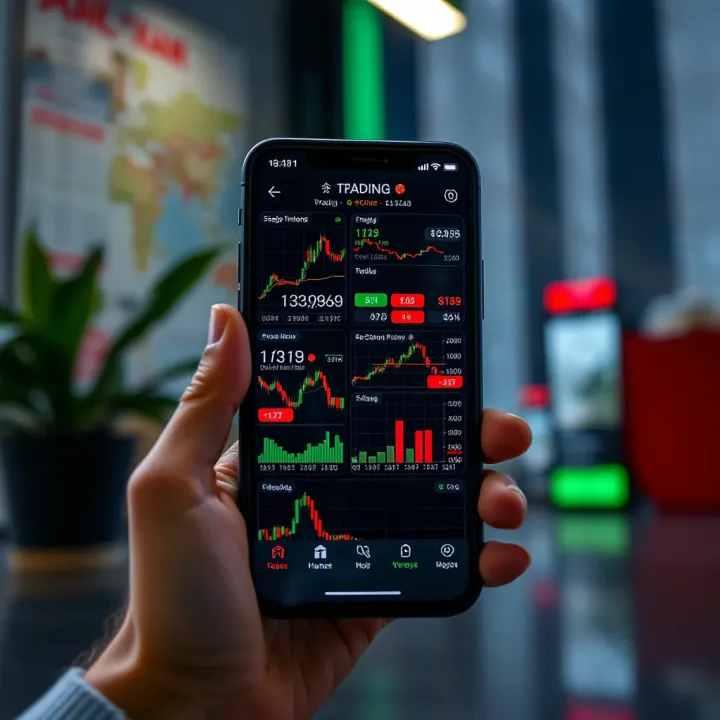
Explore top trading apps in Pakistan 📱, learn about benefits, rules & user tips to navigate the local financial market with ease and confidence.
Find the best trading app in Pakistan with our practical guide 📈 covering features, security, regulations, popular choices, and tips for new traders 🇵🇰.
Discover top trading apps in Pakistan 📱 with detailed features, risks, and tips. Learn how to pick the right platform for your trading goals safely! 💹
Based on 15 reviews