
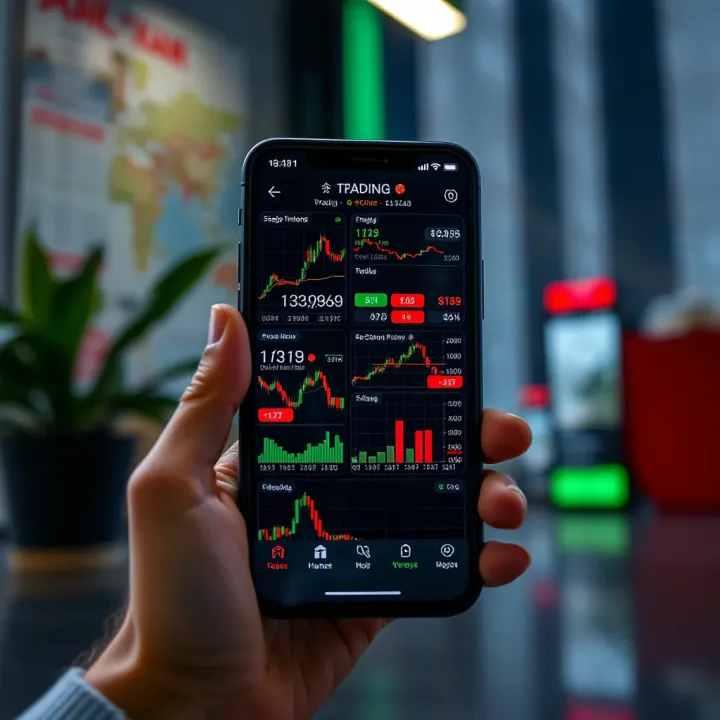
Understanding Trading Apps in Pakistan
Explore top trading apps in Pakistan 📱, learn about benefits, rules & user tips to navigate the local financial market with ease and confidence.
Edited By
Emily Foster
Trading in Pakistan has seen a dramatic shift over the past few years. With smartphones becoming almost as common as chai cups in every household, trading apps have carved out a niche that's transforming how people invest their money. Whether you're a seasoned trader or a complete beginner trying to get your feet wet, understanding the ins and outs of these apps is more important than ever.
This guide will cover what trading apps are, why they matter in the Pakistani context, and what features you should be looking for when choosing one. We'll also touch on some common traps to avoid and share tips that make your trading journey smoother. The goal? To help you find a platform that matches your trading style, goals, and comfort level with risk.
Trading isn’t just for the big shots anymore. With the right app and a bit of know-how, anyone in Pakistan can join the market and make informed investment decisions.
Let's start by breaking down what these trading apps do and why they’ve become so popular here.
Grasping what trading apps are and how they work is the first step for anyone looking to dive into the Pakistani market through mobile or desktop platforms. These apps aren't just tools; they’re gateways that bring the complex financial world into the palm of your hand. Whether you’re a student getting your feet wet or a seasoned trader looking for convenience, understanding these apps helps you make informed decisions and avoid costly mistakes.
Trading apps are software applications designed to enable buying, selling, and managing financial assets via smartphones or computers. They provide access to multiple markets, including stocks, forex, and cryptocurrencies. For example, platforms like PSX’s own web and mobile apps or international ones like MetaTrader 4 allow Pakistani traders to participate actively in local and global markets. These apps bring live charts, account management, and order executions all in one place.
Think of a trading app as your online brokerage office where you can place trades anytime without the need to visit a traditional broker. They cater to different needs, from casual investors who want to buy shares in companies like Engro or HBL to high-frequency traders dealing in rapid forex movements.
Behind the friendly user interface of a trading app lies a network of data feeds, servers, and broker connections. When you place an order—say, you want to buy 100 shares of Nishat Mills—the app sends your request through your broker’s systems, then to exchange servers like the Pakistan Stock Exchange (PSX). Once the transaction is matched with a seller, the order executes almost instantly, and your portfolio updates in real-time.
Most apps employ real-time data streams so you can track market fluctuations down to the second. For instance, apps like IG or thinkorswim connect directly to global exchanges and use APIs to sync data continuously. This system reduces delays that could cost traders money, especially during fast-moving market events.
Mobile trading apps also handle your account balance, monitor open orders, and generate alerts based on your preferences. Automated features such as stop-loss orders or price alerts help you manage risk without sitting glued to the screen all day. Overall, the smooth operation of these apps lets traders focus on strategy instead of technical hassles.
Understanding the nuts and bolts of how trading apps work gives you the confidence to pick the right platform and use its features to your advantage. It’s not just about convenience—it’s about having control over your investments in a market that never sleeps.
This foundational knowledge is key as you explore the diverse trading options available in Pakistan and find a platform that truly fits your trading style and goals.
Trading apps come in various shapes and sizes, each tailored to different markets and trading styles. Understanding the types popular in Pakistan isn’t just about knowing names; it’s about grasping what suits your trading needs and how these apps connect you to global and local markets. Given Pakistan’s growing digital economy, more traders are turning to mobile platforms for faster, easier access to markets.
Stock trading apps are the bread and butter for many Pakistani investors who want to buy and sell shares listed on the Pakistan Stock Exchange (PSX). Apps like InvestPro and PSX Mobile provide real-time quotes, portfolio tracking, and direct order placements. These platforms allow users to monitor Pakistani blue-chip stocks such as Pakistan Oilfields Limited (POL) and Habib Bank Limited (HBL) right from their phones.
The convenience of these apps lies in their streamlined process—no need to sit glued to a computer. For those dipping toes into equities, these apps often offer educational resources and demo accounts, which lower the entry barrier.
Currency trading is a popular avenue for Pakistani traders due to the volatile nature of the rupee against the USD and other major currencies. Forex apps like MetaTrader 4/5 and XM Broker are widely used here, thanks to their capabilities for technical analysis and automated trading through expert advisors.
These apps not only provide live currency pairs trading but also include commodities and indices. The appeal of forex trading apps lies in their 24-hour market access and the ability to leverage small investments, making it possible for beginners to test strategies with a limited budget. Still, given the risks, these apps come with warnings about volatility and leverage.
Crypto trading has surged in Pakistan, partly due to international remittance benefits and the potential high returns. Apps like Binance and LocalBitcoins are frontline players offering access to Bitcoin, Ethereum, and a host of altcoins.
While crypto apps are attracting a younger demographic, they require extra caution. Given the lack of a clear regulatory framework in Pakistan for cryptocurrencies, users have to be wary of market manipulation and scams. However, these apps provide handy tools like instant buy/sell options, wallet integration, and price alerts, which keep traders informed and ready to act quickly.
Choosing the right type of trading app in Pakistan depends on your market interest, appetite for risk, and how hands-on you want your trading to be. Each app type caters to a different aspect of trading life, from steady stock investment to fast-paced forex and speculative crypto trading.
By understanding these app categories, Pakistani traders can pick platforms that not only fit their goals but also offer a practical path to entering the financial markets with confidence.
Choosing the right trading app is more than just picking one with the flashiest logo or the most downloads. It’s about finding a tool that meets your trading needs reliably and efficiently. In Pakistan’s growing trading market, apps come with different features that might either make trading a breeze or a frustrating mess. Knowing what core features matter can save you time, money, and unnecessary headaches.
Let's break down the essential qualities to watch out for when deciding on a trading app.
The user interface (UI) is the doorway through which you interact with the app, so it shouldn't feel like a maze. A clean, intuitive layout helps traders navigate markets smoothly without hunting for basic controls or data. Apps like PSX Mobile by the Pakistan Stock Exchange offer straightforward charts and order placement that even beginners can get the hang of fairly quickly.
A good interface responds fast, organizes information well, and adapts to different screen sizes. Imagine you’re juggling a cup of chai while placing a trade — you don’t want the app freezing or menus cluttered up like a traffic jam. Ease of use directly impacts your ability to act quickly on market moves.
When you’re trading, timing is king. Having real-time data is non-negotiable because even a lag of a few seconds can mean the difference between profit and loss. Look for apps that provide live quotes, charts, and news updates without delays.
Analytics tools are just as vital — features like trend indicators, volume analysis, and customizable alerts can help you spot opportunities or avoid pitfalls. For example, apps like eToro offer integrated technical indicators that assist traders in making informed decisions without jumping between multiple platforms.
Security should never take a backseat. Trading apps manage sensitive financial info and access to your funds, so strong safeguards are a must. Pakistani traders should ensure the app uses strong encryption protocols (like 256-bit SSL), two-factor authentication, and regular security audits.
Besides technical barriers, the app’s privacy policies matter: how do they handle your personal data? Apps like Al Meezan Securities implement two-step verification and routinely update security patches, giving their users an extra layer of peace of mind.
Remember, a flashy app with poor security is an open door to fraud.
Modern trading apps come packed with tools that can make your life easier or turn you into a robot trader. From simple things like limit and stop-loss orders to more advanced options like algorithmic trading and auto-investing bots, these features help manage risk and reduce emotional decision-making.
For example, many Pakistani platforms now support conditional orders, automatically selling shares if prices fall below a certain point, helping you protect your capital without watching the screen 24/7. Automated features can be a boon but should be used cautiously — overdependence might lead to ignoring market nuances.
In a nutshell, focusing on these core features will help you zero in on a trading app that matches your style and needs without scrambling later for workarounds. As you dive into Pakistan’s trading options, keep these essentials top of mind: smooth interface, live data, strong security, and helpful trading features. Together, these form the backbone of an effective and enjoyable trading experience.
Trading apps have become an essential tool for investors in Pakistan, offering several advantages that traditional methods struggle to match. These platforms bring the stock market, forex, and crypto trading to your fingertips, making it simpler and more accessible for people across the country.
One of the biggest draws of trading apps in Pakistan is how easy they make the trading process. You don’t need to be tied to a desktop or an office to buy or sell stocks anymore. For example, apps like PSX’s official mobile trading platform allow users in smaller cities to access the Karachi Stock Exchange without any hassle. This convenience means you can keep an eye on market fluctuations on the go or act fast on tips you heard from a friend or read online. Plus, since these apps operate 24/7 for some markets, like cryptocurrency on Binance or local brokers offering forex platforms, you can trade whenever it suits your schedule.

Traditional brokerage services in Pakistan often come with hefty commissions and minimum balance requirements that can eat into your profits. Trading apps reduce these overheads significantly, sometimes offering zero commission on trades or just a fraction of what a broker would charge. For instance, apps like TickTrade and PSX’s e-Trade service have significantly lower fee structures compared to conventional brokers. This reduction in cost makes trading more feasible for small investors or students who want to test the waters without risking large sums.
Trading apps provide real-time market updates and instant order executions, which traditional brokerage services may lag behind. This speed can make a big difference when dealing with volatile markets. If you’re using apps like Engro Exchanger for forex or Olive Markets, the ability to place an order immediately can help prevent losses or secure gains before prices shift. Moreover, these apps give you direct control of your investments without having to relay instructions through another party, which reduces errors and delays.
In volatile markets like crypto or forex, even a delay of a few seconds can cost you dearly. Trading apps empower you to react instantly.
In short, trading apps empower Pakistani traders by breaking down geographical, financial, and timing barriers, making investing more approachable and efficient than ever before.
Trading apps have made it easier for many folks in Pakistan to get their feet wet in the markets, but they come with their own set of pitfalls. Understanding these risks is essential if you don’t want to end up on the wrong side of your investments. Let’s talk about the common challenges traders face when using these apps and why awareness matters.
Markets can be like a rollercoaster, especially in Pakistan where economic and political factors often stir up sudden price swings. Trading apps make it possible to react quickly, but that speed cuts both ways. If you're not careful, a sudden drop in stock prices or forex rates can wipe out your gains in no time.
For example, consider the Pakistan Stock Exchange on a day when government policy rumors send shares tumbling. A trader relying solely on an app without a solid risk management plan might panic and sell at a loss or, worse, hold on hoping for a rebound that never comes. The key is to understand that market volatility is normal and to set stop-loss orders or limits to protect yourself.
You can’t always count on your internet going smooth, especially in some areas of Pakistan where connectivity is patchy. Imagine trying to place a critical trade during a shaky session and your app freezes or the order doesn’t go through. This kind of technical hiccup can cost dearly.
Even the best trading apps—like PSX’s official app or local fintech products such as Investify—rely on stable internet and app performance. Network outages, slow servers, or app crashes can delay order executions, leading to missed opportunities or unintended trades. Keeping your app updated and having a backup internet source can help, but there’s always some risk.
Not all trading apps out there follow rules or come with genuine licenses. The rise of unregulated platforms targeting Pakistan’s growing pool of traders is a real concern. These apps might lure users with flashy promotions or guaranteed returns, but many end up as scams.
A practical example is when a newcomer downloads a seemingly legit crypto trading app promising huge profits with zero fees, only to discover their funds aren’t withdrawable later. That’s why checking whether the app is regulated by the Securities and Exchange Commission of Pakistan (SECP) or relevant authorities is vital.
Always verify an app’s authenticity before sharing your personal data or funds. Falling for unregulated apps can mean losing both money and trust.
Grasping the risks of market swings, technical problems, and dodgy platforms can save you from a heap of trouble. These challenges are part of the trading landscape but being forewarned means you can plan smarter and trade safer.
Before diving into trading apps, it’s important to grasp the regulatory landscape in Pakistan. This isn’t just about following rules for the sake of it; understanding the legal framework can safeguard your investments and make sure your trading experience isn’t derailed by unexpected issues. Trading without knowing the regulations is like fishing without a license—you’re asking for trouble.
Pakistan’s financial markets are governed primarily by the Securities and Exchange Commission of Pakistan (SECP), which sets the standards for companies offering trading services. Apps that deal with stock, forex, or commodities trading must comply with SECP guidelines to operate legally. Similarly, the State Bank of Pakistan (SBP) oversees currency exchange regulations and ensures anti-money laundering (AML) measures are in place.
To illustrate, if you are using apps like PSX’s own trading platform or third-party brokers like JS Global Capital, these platforms must follow SECP’s rules to protect traders from fraud or market manipulation. Unfortunately, not all platforms operating in Pakistan are registered or compliant, which can expose you to risks such as delayed withdrawal or account freezes. That’s why it’s wise to verify if a trading app is approved by these regulators before starting.
Following Pakistan’s financial regulations means your trades are more secure, your personal data is protected, and you have recourse if something goes wrong.
Getting a license to operate a trading app in Pakistan is no walk in the park. Companies must meet strict criteria involving minimum capital requirements, submitting audited financials, and demonstrating operational soundness. Compliance doesn’t stop at licensing; platforms must regularly report their activities and undergo audits to ensure ongoing adherence.
For traders, this means the apps you use should display clear information about their licensing status. For example, you should be able to easily spot if a Forex app is authorized by SECP or if a crypto trading platform is compliant with local cryptocurrency regulations — although, as of now, crypto regulations are evolving in Pakistan, making extra due diligence necessary.
Here are some practical tips for traders regarding licensing and compliance:
Check the app’s licensing info: Legit apps usually publish their license number and regulatory authority.
Look out for credible partnerships: Trusted apps often partner with local banks or established financial entities.
Stay updated on regulation changes: Laws on online trading and cryptocurrencies can shift, so keep an eye on announcements from SECP or SBP.
Understanding these legal aspects not only protects your money but helps you avoid common traps associated with unauthorized or sketchy trading platforms. It's better to spend a bit of time upfront verifying the legal standing of your trading app than to face losses due to regulatory non-compliance later.
Picking the right trading app can feel like trying to find a needle in a haystack, especially with so many options out there for Pakistani traders. But choosing wisely doesn’t just make trading easier—it can actually help you avoid costly mistakes and improve your chances of success. This section is about cutting through the noise, focusing on what really matters when matching an app to your trading style, goals, and expectations.
First things first, before downloading any app, take a moment to figure out what you’re aiming for. Are you in it for the long haul, thinking about investing in blue-chip stocks through the Pakistan Stock Exchange? Or are you looking for quicker trades with Forex or cryptocurrencies? Your goals will shape which app suits you best.
For example, if you’re planning to hold stocks for months or years, an app with deep research tools and news updates like KTrade might be more your style. On the other hand, if day trading or forex speculation is your game, you’ll want fast execution features and real-time analytics, something that apps like MetaTrader offer.
Understanding your risk tolerance is also a must. Some apps let you set stop-loss limits easily, which is ideal for conservative traders, while others offer more freedom but require a steadier hand. Knowing whether you’re a cautious turtle or a daring hare helps narrow down your options.
Once you've narrowed your choices, it pays off big to check what others say. Don’t just look at star ratings; dive into reviews on platforms like Google Play or the Apple App Store, and finance forums such as PakStock Market discussions or local Facebook trading groups.
Look for comments about app stability, ease of use, customer support, and withdrawal processes. Since technical glitches can cost you money, hearing about past user experiences is pure gold.
Testing a demo version of the app is next. Most reputable platforms like eToro or Interactive Brokers offer demo accounts. Playing around with these can give you a feel for whether the app’s interface suits your style and if the tools meet your needs without risking real money.
No two trading apps charge the same, and fees can quietly eat into your profits if you’re not careful. Commission rates, withdrawal fees, and even inactivity charges are worth scrutinizing. For example, PSX-approved apps might charge lower commissions on stock trades compared to international platforms that give access to Forex or crypto.
Availability of markets is another big factor. Some apps focus only on Pakistani stocks, while others offer access to global markets, including commodities and currencies. If diversifying your portfolio across different asset classes and geographies matters to you, the choice of app should reflect that.
Here’s a quick checklist when comparing fees and markets:
Commissions: How much per trade?
Deposit and withdrawal charges: Are there hidden costs?
Market variety: Can you trade PK stocks, Forex, and crypto?
Currency support: Does the app support PKR or force US dollars?
Understanding these aspects before diving in saves you headaches and keeps your trading plan on track.
In the end, choosing the right trading app is about matching the tool to what makes sense for your individual needs, trading habits, and financial goals. The right platform turns complex markets into something manageable, giving you a better shot at smart trading in Pakistan's fast-changing financial scene.
Starting with a trading app can feel a bit like stepping into a busy bazaar for the first time—you need to know where to look, what to buy, and how to keep your valuables safe. Getting started the right way not only protects your money but also sets you up for a better trading experience. In Pakistan, where digital trading is growing fast, understanding the basics of security and how to manage your account is essential. This section breaks down the first steps to take before making your first trade, keeping your investments secure, and making the most out of the app’s features.
The very first move is opening your trading account. Most apps will ask for basic details like your CNIC, bank info, and maybe a selfie for identity verification. It's crucial to fill these out honestly to avoid legal troubles later on. For example, apps like PSX’s "KSE100" or Forex platforms like MetaTrader have clear guidelines for account creation tailored to Pakistani users.
Security is key here. Use a strong, unique password—something that’s not tied to your birthday or names. Enable two-factor authentication (2FA) if the app supports it; this adds an extra lock beyond just your password. Remember, hackers often target accounts that have weak passwords, thinking users haven’t taken these extra steps.
Avoid logging in on public Wi-Fi or shared devices when possible. If you must, make sure you have a VPN active to keep your data safe. If the app offers biometric login options like fingerprint or face ID, consider using those—they are generally safer and quicker.
Security isn’t just about passwords—keep your device’s security updated and be wary of phishing attempts asking for your account details.
After setting up your account, you’ll need to add funds before you can start trading. Pakistani trading apps usually accept payments via bank transfer, mobile wallets like JazzCash and Easypaisa, or credit/debit cards. Using well-known and verified payment methods reduces the chance of fraud.
Be sure to study the fee structure carefully. Some apps charge a flat fee on trades, others take a percentage, and some might have hidden fees for withdrawals or deposits. For instance, if you’re using the PSX official app, the fees are transparent and generally lower than those on some international platforms used in Pakistan.
Keep in mind these common fees:
Transaction fees: Charged when buying or selling securities.
Withdrawal fees: Costs when moving money back to your bank.
Inactivity fees: Some apps charge if you don’t trade for a set period.
Understanding these will help you avoid surprises. It pays off to compare platforms side by side before funding your account.
Once your account is funded, take time to learn how the app works before diving in. Many trading apps now offer demo accounts or trial periods—use these to practice without risking real money. For example, apps like MetaTrader provide simulated trading that’s an excellent way to build confidence.
Familiarize yourself with key features such as:
Market watchlists to monitor your favorite stocks or currencies.
Order types like market, limit, or stop orders.
Charting tools for technical analysis.
News feeds and alerts that keep you updated on market events.
Taking full advantage of these tools helps you make smarter decisions. Also, don’t hesitate to check tutorials or customer support if something is confusing. Many users skip this part and suffer avoidable losses because they rushed into trading without knowing the app fully.
By starting carefully—securing your account, understanding fees, and mastering the app’s features—you build a solid foundation for trading success. Remember, cautious steps now can save you from headaches down the line.
Trading with mobile apps offers flexibility and speed, but success demands more than just tapping on buy or sell buttons. This section highlights practical advice to help traders in Pakistan navigate the mobile trading world effectively. From setting realistic goals to managing risks and staying informed, following these tips can make a notable difference in your trading outcomes.
One common pitfall for new traders using mobile apps is expecting quick riches. It’s easy to get caught up in success stories, but successful trading takes patience and consistent effort. A realistic expectation means understanding that losses are part of the process and that profits grow over time, not overnight. For instance, if you aim to double your investment every week, you’re setting yourself up for disappointment.
Instead, set achievable milestones based on your capital and experience. A beginner might target a 5–10% return monthly, learning through trial and error. This approach keeps frustration at bay and encourages steady growth. Remember, even top Pakistani traders like Jahanzeb Khan stress the importance of steady gains and not chasing unrealistic goals.
Mobile trading apps usually come with built-in risk management features, such as stop-loss orders, which are essential for protecting your capital. Setting stop-loss limits prevents losing more than you can afford if the market suddenly swings against your position. Think of it as an insurance policy for your investment.
For example, if you buy shares of Pakistan State Oil at 100 PKR, setting a stop-loss at 95 PKR automatically sells your shares if the price drops, limiting your loss to 5 PKR per share. Using these tools diligently helps avoid emotional decisions driven by panic or hope. Many apps like EasyPaisa Investments or PSX’s official mobile platform offer customizable stop-loss settings and alerts, so take advantage of those.
Markets don’t exist in a vacuum. Political developments, economic policies, and even global events frequently sway prices. Staying updated with current market news keeps you informed and ready to adjust your trades accordingly.
Apps such as Bloomberg, Reuters, and local Pakistani news portals integrated with your trading app can provide timely updates. Make a habit of checking these sources before making significant decisions. For example, an unexpected interest rate hike by the State Bank of Pakistan can impact currency and equity markets swiftly, and being clued in helps avoid sudden losses or spot new opportunities.
Staying patient, managing risk wisely, and keeping an eye on relevant news are fundamental steps for anyone serious about trading on mobile apps in Pakistan.
By following these tips, you position yourself for smarter, safer trading, turning your mobile device from just another gadget into a powerful tool for financial growth.
Trading apps have made buying and selling securities accessible to nearly everyone with a smartphone in Pakistan. But just like any powerful tool, if not used wisely, they can lead to costly errors. Understanding and steering clear of common mistakes is essential for protecting your investments and making the most of these platforms.
Mistakes with trading apps don’t just cost money — they can drain your confidence and make investing more stressful. This section highlights key pitfalls traders often fall into and shows how to avoid them. From impulsive trading to security slip-ups and falling for flashy promotions, knowing these blunders can safeguard your account and support better decision-making.
One of the biggest traps in mobile trading is overtrading. Because the market is right at your fingertips 24/7, it’s tempting to make trades constantly based on every little price movement. But this often leads to poor choices driven by emotions like fear and greed rather than solid analysis.
For instance, a beginner might see their stock dip slightly and panic-sell, only to watch it bounce back the next day. Or they might chase after hot tips and buy impulsively, then suffer losses. Overtrading not only racks up excessive fees but can quickly eat into your capital.
To avoid this, set clear trading goals and limits before you start. Using stop-loss orders on apps like Zerodha or PSX’s online platforms can help manage risk and keep emotions in check. Remember, patience and discipline often outperform frantic trading.
Trading apps handle sensitive personal and financial info, so ignoring security is asking for trouble. A common mistake is using weak passwords, ignoring two-factor authentication, or accessing the app on unsecured Wi-Fi networks.
There have been instances where hackers exploited weak login practices on trading accounts in Pakistan, causing users to lose funds. To stay safe, always enable multi-factor authentication offered by most apps such as IG Markets or eToro, create strong unique passwords, and avoid public Wi-Fi when trading.
Also, keep your app updated. Developers release security patches regularly to close vulnerabilities. Skipping updates is like leaving your front door open.
Your trading account is only as secure as your weakest security habit.
The flood of trading apps in Pakistan brings opportunity but also scams and poorly regulated platforms. Some apps lure users with flashy promotions—like zero fees for the first month or guaranteed returns—but are unverified or operate without proper licensing.
Jumping on these offers can be a quick way to lose your money or personal information. For example, apps without Securities and Exchange Commission of Pakistan (SECP) approval may not follow compliance rules, putting users at risk.
Before installing any app, verify its credentials and read user reviews on trusted forums. Use demo accounts whenever possible to test the app’s features and reliability. Stick with well-known platforms such as HBL Konnect, UTrader, or local brokers affiliated with Pakistan Stock Exchange.
Regularly verifying where your money goes and the app’s legitimacy protects you from common scams.
Avoiding these common mistakes when using trading apps in Pakistan can save you from financial loss and frustration. Staying disciplined with trades, practicing strong security habits, and choosing reputable platforms create a safer and more productive trading experience.
By approaching mobile trading thoughtfully, you give yourself a better chance to grow your investments steadily without falling into the common traps many beginners face.
Explore top trading apps in Pakistan 📱, learn about benefits, rules & user tips to navigate the local financial market with ease and confidence.
Find the best trading app in Pakistan with our practical guide 📈 covering features, security, regulations, popular choices, and tips for new traders 🇵🇰.
📱 Discover how trading apps in Pakistan simplify investing with top features, smart choices, and safety tips for beginners navigating the market confidently.

Explore the best trading apps in Pakistan 📱 Compare features, fees, security, and support to pick the perfect platform for your investing needs!
Based on 5 reviews