
Understanding Trading Demo Accounts for Beginners in Pakistan
📊 Explore trading demo accounts in Pakistan! Learn how to pick, use, and move from practice to live trading confidently without risking money. 💡
Edited By
Sophie Langley
Demo account trading provides an excellent way for Pakistani traders to practise without risking actual money. It is a simulation of real trading environments offered by brokerages, allowing users to buy and sell assets like stocks, forex, or commodities using virtual funds. This risk-free platform is especially valuable for beginners to get a feel of market movements and for experienced traders to test new strategies.
Using a demo account side-by-side with learning materials can significantly improve your understanding before moving to live trading.
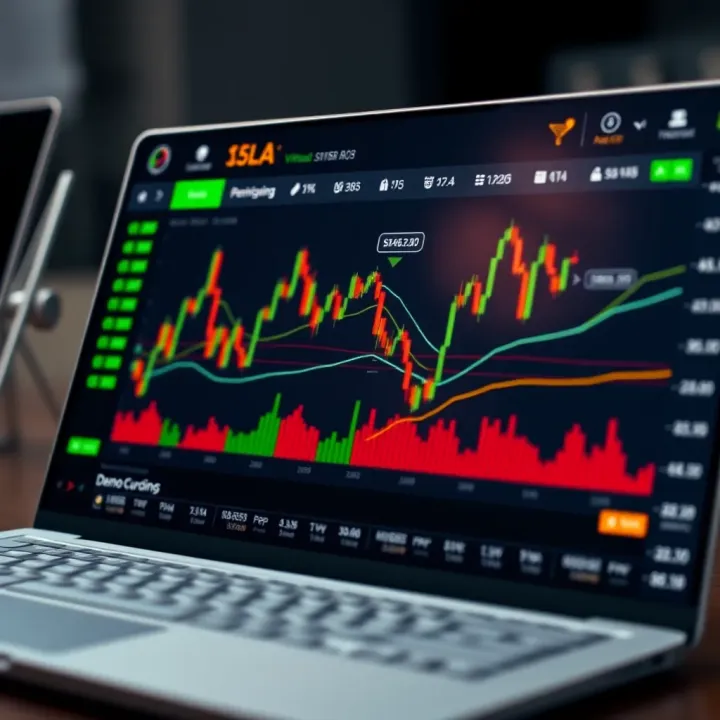
A demo account replicates live market prices and trading conditions but with virtual capital. For example, if you register with a broker like IG or FXTM, you might receive Rs 1 million in virtual balance to trade within their software. You can place buy or sell orders, manage stop loss or take profit levels, and track unrealised gains or losses. Since no real money is involved, you can afford to experiment with aggressive or conservative strategies safely.
Risk-free practice: Test your skills without the fear of losing Rs without risking real cash.
Familiarisation with platforms: Brokers often have different interfaces, charts, and tools. Demo accounts help you get comfortable.
Strategy development: Trying out different entry and exit plans under live-like market conditions helps refine your approach.
Building confidence: Many traders face hesitation before trading with real funds; demo trading bridges that gap.
However, always bear in mind that demo accounts don’t capture emotional pressure or occasional slippage that can occur in live markets.
Several popular brokers offering demo accounts are accessible in Pakistan. Examples include:
IG Markets: Known for a user-friendly platform with free access to real-time data.
FXTM: Popular among forex traders for comprehensive demo facilities.
OctaFX: Offers demo accounts alongside competitive spreads suitable for beginners.
Using these platforms, you can practise trading Pakistani Rupee pairs, international stocks, or commodities with no risk.
In summary, demo accounts are vital for building sound trading habits and understanding market mechanics. Pakistani traders should make demo trading a routine first step before risking real capital.
Demo account trading serves as a practice ground for traders, especially those in Pakistan, who want to understand market dynamics without risking real money. It is crucial for anyone looking to enter the trading world because it helps build familiarity with trading platforms, market behaviour, and decision-making under simulated conditions. By offering hands-on experience, demo accounts ease the learning curve, which can otherwise be steep for beginners.
A demo account is a virtual trading account provided by brokers where users can trade with fake money, mirroring real market prices and events. Its main purpose is to allow traders to practice buying and selling financial instruments like stocks, forex, and commodities without financial risk. For instance, a new trader in Karachi can place trades using Rs 1,000,000 virtual balance to understand how the forex market reacts to international events before risking actual funds.
These accounts replicate live market environments by providing real-time pricing and typical market scenarios. They include factors like bid-ask spreads and price movements reflecting current market sentiment. However, they usually don’t capture all nuances such as liquidity issues or slippage during extreme volatility, which can affect trade execution in real accounts. Still, the simulation is close enough for traders in Lahore or Islamabad to develop strategy skills and gain confidence.
Demo accounts come with a virtual balance, often preset by the broker, which traders use for practising trades. This unlimited virtual capital allows users to test different strategies repeatedly without worrying about losses. For example, using a virtual balance of Rs 500,000, a trader can test risk management techniques like stop-loss orders to see their effect without losing real money.
Most demo accounts provide live market data so traders can experience the market as it unfolds. This means price quotes and charts update continuously as they do in real trading. Access to live data helps traders learn to read price trends and react promptly, which is vital in Pakistan’s dynamic markets affected by both local policies and global factors.
Platforms hosting demo accounts usually include technical analysis tools such as moving averages, RSI (Relative Strength Index), and candlestick charts. These tools help traders study market trends and make informed decisions. For example, a trader in Faisalabad studying the stock of a local company can use these indicators to decide when to enter or exit trades, sharpening skills that will be valuable when switching to live trading.

Starting with a demo account provides you a safe space to understand trading complexities before putting your hard-earned money on the line.
This approach not only protects against financial loss but also prepares traders to face Pakistan’s often volatile market environment more strategically and confidently.
Using a demo account is one of the smartest ways for traders in Pakistan to enter the world of financial markets without risking real money. Such accounts provide a safe space to learn trading mechanics while developing necessary skills and strategies. Below are the concrete benefits that make demo trading an essential step before going live.
Practising Without Financial Loss: Demo accounts use virtual funds, so you can place trades without worrying about losing actual money. This is especially helpful for beginners who might find the real market intimidating. For example, a newbie using a platform like MetaTrader can try different entry and exit points without fear of financial loss. This cushion allows you to make mistakes, analyse outcomes, and understand how trading works without the pressure of losing Rs 1,000 or more in a single trade.
Building Confidence in Trading Decisions: Confidence comes from experience, and demo trading provides that experience risk-free. When you execute trades regularly in the demo environment, you get familiar with market behaviour and refine your decision-making. This reduces hesitation when moving to live accounts, as you'll have a clear idea about timing and market signals. Instead of guessing, you gain a sense of when to hold, sell, or buy, preventing panic-driven decisions common among new traders.
Experimenting with Different Trading Approaches: A demo account lets you try various strategies without the stress of real losses. For instance, you could test scalping, swing trading, or using technical indicators like the Relative Strength Index (RSI) and Moving Averages. This experimentation helps you figure out what suits your style and risk appetite best. Pakistani traders can also assess strategies during key local market events, like PSX trading opening or economic data releases, to see how markets react.
Understanding Market Behaviour and Volatility: Using demo accounts helps you follow how prices move during volatile times, such as when the rupee fluctuates or when political news affects the market. This exposure is crucial because it trains you to expect sudden price changes and equips you with tactics to manage risk. Moreover, practising during such periods builds intuition about liquidity and spreads, which real trading demands you to manage skilfully.
Demo accounts act as a training ground, giving Pakistani traders the chance to sharpen skills and become market-savvy without facing actual losses.
By maximising these advantages, traders reduce their learning curve and prepare better for real-money trading challenges.
Demo account trading offers a safe space to practise without risking real money, but it comes with important limitations that traders in Pakistan must understand. Recognising these challenges helps avoid misunderstandings that could affect performance when moving to live trading.
Trading on a demo account lacks the emotional pressure traders face during live trading. When no actual money is at stake, it's easy to stay calm and make decisions based purely on strategy. However, live trading introduces worries over real financial loss, causing anxiety or overconfidence. For example, a trader might hesitate or close a position too early out of fear, something they rarely experience with virtual funds. This emotional disconnect means practising on a demo account might not prepare you fully to handle the stress and discipline demanded in real markets.
Live markets can behave unpredictably, especially in volatile conditions common in Pakistan’s equity or forex markets. Slippage occurs when orders execute at a price different from expected due to quick market moves or low liquidity. Demo accounts usually simplify these factors, showing ideal execution without delays or price differences. For instance, a market order for a fast-moving stock on the Pakistan Stock Exchange may experience slippage during live trading, impacting profits or losses. This difference means demo trading might not accurately reflect the real challenges of order execution and available liquidity.
Many traders start with high hopes after seeing consistent gains in demo accounts. Without real money on the line, it’s easy to take excessive risks or try aggressive strategies that seem to work in a simulated environment. However, this can create a false sense of confidence. Real markets involve emotions, market gaps, and unexpected news that affect outcomes far beyond what demo results show. For example, a novice trader might keep using a high-leverage strategy that looks profitable on demo but leads to hefty losses in live trading.
Demo trading often downplays the reality of risk exposure faced in live markets. Real trading involves managing risks like margin calls, order cancellations, and sudden price swings that could wipe out capital. Since demo accounts only simulate these without actual financial consequences, traders may underestimate their position sizes or ignore risk management rules. A trader operating with proper stop-loss limits in demo might tend to ignore them in real trading due to fear of losing money, leading to bigger losses.
While demo accounts are valuable learning tools, Pakistani traders should remember they provide an idealised environment. Carefully bridging the gap between demo practice and live trading readiness ensures better preparation and realistic expectations.
Leveraging demo accounts properly can make a real difference for traders in Pakistan aiming to build skills without risking actual money. The key lies in treating the demo environment seriously — setting realistic goals, practising well-defined strategies, and preparing for the shift to live trading. This helps avoid common pitfalls like overconfidence or sudden losses when trading with real funds.
Virtual funds in demo accounts aren’t infinite play money; rather, they should mirror the capital you actually plan to start trading with. For example, if you plan to invest Rs 100,000 in real trading, then setting your demo balance around the same amount helps simulate actual conditions. This approach forces disciplined risk management and position sizing, rather than opening large trades that won't be affordable later.
Such real-life constraints make practising entries, exits, and stop-loss placements more meaningful. Pakistani traders sometimes get carried away in demo trading by risking too much, only to face a rude awakening in live markets. Keeping virtual capital in line with your planned budget early on builds more practical experience.
Markets vary through the day and week, especially in Pakistan, where global market hours overlap differently with local time. Using demo accounts to focus on the most active periods—like when the US or European markets overlap with Pakistan Standard Time—helps grasp real volatility and liquidity.
Plus, selecting markets that interest you most matters. For instance, if you want to trade the PSX (Pakistan Stock Exchange), practise demo trading on brokers offering local equities or indices. This sharpens understanding of local market patterns, keeping you ready for live trades on trusted platforms.
Moving from demo to live trading isn’t just about winning in virtual trades. Pay attention to your consistency, emotional control, and ability to follow your plan strictly over weeks or months. When you can handle losses calmly and stick to your risk rules on the demo, it’s usually a sign you're ready to try real money.
Knowing this moment prevents premature migration, which many Pakistani traders rush into due to excitement or peer pressure. Slow and steady wins the race is true here.
Starting live trading calls for even more caution. Use a fraction of your planned capital initially and apply conservative risk limits—perhaps risking only 1% per trade rather than 2-3% you might have tried on demo.
Pakistani traders must factor in local issues like sudden loadshedding causing network lags or procedural delays in fund transfers via JazzCash or Easypaisa. Keeping live exposure small helps absorb unexpected hiccups without heavy losses.
Successful demo trading is about mirroring real conditions tightly and preparing for emotional challenges ahead, not just scoring big wins on a simulated screen.
By consciously allocating virtual capital, choosing right markets and timings, and planning a cautious transition to live trading, Pakistani traders can increase their chances of long-term success and build confidence with minimal risk.
Demo accounts are essential tools for Pakistani traders who want to practise without risking actual money. Having access to popular and reliable platforms makes learning trading more practical and accessible. This section outlines some widely-used demo platforms and the factors Pakistani traders should consider when choosing a broker and handling payments.
Platforms like MetaTrader, IQ Option, and Olymp Trade are among the most popular choices for demo trading. MetaTrader 4 and MetaTrader 5 are especially common since they offer a familiar interface, extensive charting tools, and support for forex, commodities, and indices. IQ Option and Olymp Trade add user-friendly interfaces with valuable features such as fixed-time trades and easy switching between demo and live accounts. These platforms simulate real-time market conditions with virtual funds, helping traders sharpen their skills.
For Pakistani traders, selecting a broker that supports these platforms can provide versatility and exposure to various asset classes. For instance, many local brokers integrate MetaTrader, enabling access to the international forex market, while international brokers like IQ Option offer straightforward entry for beginners in Pakistan.
When choosing a broker in Pakistan, consider factors such as reputation, fees, and customer support. Traders should prioritise brokers regulated by the Securities and Exchange Commission of Pakistan (SECP), ensuring better protection and compliance with local laws. Also, a broker’s responsiveness to Pakistani clients' needs, including Urdu or English support and convenient deposit options, makes a real difference in the overall experience.
Using local payment methods like JazzCash or Easypaisa for deposits is a practical advantage for Pakistani traders. These platforms allow quick and secure fund transfers to brokers who support them, avoiding international bank fees or complicated wire transfers. Traders should check if their chosen broker accepts payments through these services to streamline funding and withdrawals.
Regulatory compliance also plays a vital role. Brokers with SECP licensing adhere to Pakistan’s financial regulations, offering more confidence and security. Additionally, compliance with the Pakistan Telecommunication Authority’s (PTA) guidelines ensures that electronic trading platforms operate reliably within Pakistan’s digital infrastructure. Traders must verify these licences before handing over personal and financial information.
Verifying broker licensing and payment method compatibility protects your funds and helps avoid scams, which are unfortunately not uncommon in unregulated trading environments.
In short, Pakistani traders benefit from choosing demo platforms and brokers that link smoothly with local payment systems and operate under proper regulatory oversight. This ensures a safer and more convenient trading experience from practice to live trading.
📊 Explore trading demo accounts in Pakistan! Learn how to pick, use, and move from practice to live trading confidently without risking money. 💡
Find the best trading platform in Pakistan 📈 with our guide covering safety, costs, features, and types to fit your trading style and experience level.
Discover the best trading apps in Pakistan! 📱 Compare features, security, costs & user reviews to find the perfect fit for your trading needs.
📈 Explore practical forex trading tips designed for Pakistani traders! Learn currency basics, strategies, risk controls, and local regulations to trade smartly.
Based on 9 reviews