
Understanding XAUUSD Live Chart for Gold Trading
🔍 Explore how reading the XAUUSD live chart helps gold traders in Pakistan track prices, understand market factors, and use tools for smarter decisions.
Edited By
Charlotte Preston
Tracking XAUUSD live rates is essential for anyone serious about trading or investing in gold. XAUUSD represents the price of one troy ounce of gold quoted in US dollars. Unlike stocks or currencies, gold behaves a bit differently; it’s seen as a safe haven in uncertain times, yet it can be just as volatile as other assets when markets shift unexpectedly.
Understanding these live rates isn’t just about following numbers on a screen. It’s about grasping the bigger picture—how economic events, geopolitical tensions, and even changes in the US dollar influence gold prices moment-to-moment.
Gold’s live prices reflect a complex dance between real-world happenings and market sentiment, making it critical to interpret these movements carefully.
In this article, we’ll break down the factors that move XAUUSD prices, show you how to read live rate charts effectively, and share practical tips for using this knowledge to make smarter trades or investments. Whether you’re a day trader or someone preparing for the long haul, getting a handle on live gold prices can make all the difference.
Understanding what XAUUSD represents is the starting point for anyone looking to trade or invest in gold priced in US dollars. XAUUSD is more than just a symbol; it’s a financial barometer that reflects the price of one ounce of gold against the US dollar. This pairing matters because gold has always been a global store of value, especially when currencies lose strength or volatility spikes.
For traders and investors in Pakistan and worldwide, keeping an eye on XAUUSD live rates is like watching the pulse of the market. When rates shift, it signals changes in economic sentiment, inflation expectations, or geopolitical tensions. For example, during times of uncertainty, gold often shines as a refuge, and XAUUSD rates will rise accordingly. Grasping these dynamics helps you make smarter choices, whether you are day trading or planning long-term hedging.
"XAU" is the internationally recognized code for one troy ounce of gold. It’s not a currency but a commodity measured against currencies—in this case, the USD. This measurement standard is crucial because it gives traders a precise, uniform unit to track gold prices. In practice, it’s like measuring distance in kilometers; everyone knows what one unit means. This clarity is vital when you’re trying to analyze price movements or compare gold against other assets.
The US dollar acts as the baseline currency for XAUUSD, which means gold is priced in terms of dollars. Since the dollar is considered the world’s primary reserve currency, its strength or weakness directly impacts gold prices. For example, if USD weakens due to inflation fears or monetary policy shifts, gold prices usually rise because it takes more dollars to buy the same ounce of gold. Understanding this inverse relationship helps traders predict movements and manage currency risk more effectively.
XAUUSD isn’t just about gold or dollars; it’s a key indicator of market sentiment worldwide. Because gold is a universal asset, its USD price tells a story about global economic health, inflation expectations, and geopolitical risk. For traders in Pakistan, XAUUSD rates provide insights into USD exchange trends and indirectly signal how the Pakistani rupee might behave against global currencies, making it a useful tool for currency and commodity trading strategies.
Gold has long been seen as a safe haven especially in times of financial turmoil or political instability. Unlike stocks or bonds, it doesn’t pay dividends or interest, but it holds intrinsic value. For instance, during the 2008 financial crisis, gold prices surged as investors fled uncertain markets. This safe-haven property means that even when local markets are shaky—as often can be the case in emerging economies like Pakistan—gold remains a reliable store of value.
Including gold in an investment portfolio isn’t just traditional; it’s smart. Gold often moves inversely to stocks and bonds, so adding it helps balance risk. For example, if Pakistani investors hold equities and the market dips due to political unrest, gold investments can cushion losses. Many financial advisors recommend keeping around 5-10% of a portfolio in gold to manage volatility and provide real wealth protection.
Gold’s price history is a bit like a slow-moving tide rather than a wild rollercoaster. While there are periods of rapid spikes, over the long term, gold has maintained more stability compared to many currencies or stocks. For example, over the last 50 years, gold prices have adjusted for inflation yet maintained purchasing power. This stability makes it attractive not just as a trade commodity but as a long-term hedge, especially relevant for investors worried about currency depreciation or inflation in Pakistan.
Tracking XAUUSD live rates isn’t just about watching numbers—it's about understanding a critical balance between supply, demand, economic forces, and geopolitical dynamics that affect your investments.
By grasping the fundamentals of XAUUSD and the role of gold in the financial world, you can make better-informed decisions, whether you’re hedging risks or seeking growth opportunities.
Knowing how live XAUUSD rates are set is key for traders and investors alike. These rates represent the price of one ounce of gold in US dollars and they fluctuate constantly during market hours. Understanding what drives these changes helps you make smarter moves when trading gold.
The broader economy plays a big role in gold pricing. Think of indicators like GDP growth, unemployment rates, and manufacturing indexes. When economic data points to weakness — say, a slowdown in factory output — investors might seek safety in gold, pushing the price up. For instance, if China's industrial production drops unexpectedly, it often sparks demand for gold as a fallback asset.
Gold and the US dollar usually move in opposite directions. When the dollar is strong, gold tends to be cheaper for buyers using other currencies, which can lower demand. Meanwhile, a weaker dollar makes gold more attractive internationally, often driving prices higher. For example, during periods of dollar weakness due to Federal Reserve dovish policies, gold prices often rally.
Inflation eats away at the buying power of money, making gold attractive as a hedge. Rising inflation usually boosts gold prices. Interest rates tie into this as well; higher rates mean better returns on bonds, which can lure money away from gold. Conversely, low or negative real interest rates (interest rates adjusted for inflation) tend to make gold shine. Being alert to changes in the US Consumer Price Index (CPI) or Federal Reserve interest rate moves provides crucial clues for gold price direction.
Any geopolitical tension — from trade disputes to conflicts — can send investors searching for safe havens like gold. Market sentiment swings can be swift and intense. For example, during the tensions in the Middle East or major trade talks between the US and China, gold prices can spike quickly. It’s a barometer of uncertainty.
Gold mining affects supply but not super quickly. Mines can’t just pump out more gold overnight. For instance, a new mine opening or production dropping due to regulatory issues in a country like South Africa can tighten supply and nudge prices upward. Investors should monitor reports from major producers like Barrick Gold or Newmont for shifts in output.
Central banks hold gold as a part of their reserves. When they buy or sell large quantities, it can sway global prices. Recently, some countries like Russia and China have increased their gold reserves, which subtly pushes prices higher. Tracking these moves offers insights into long-term supply-demand balance.
Gold’s not just for bars and coins. Jewellery demand remains a sizable chunk, especially in markets like India and China. Industrial uses, though smaller in comparison, also matter. During festive seasons or wedding seasons in such countries, demand for gold jewellery can spike temporarily, supporting prices. Conversely, a dip in consumer buying power can weigh on demand.
Keeping an eye on these supply and demand factors alongside economic and geopolitical indicators offers a fuller picture of live XAUUSD rates. This approach helps traders anticipate potential price swings and make informed decisions rather than just reacting to sudden moves.
By understanding these forces, you’re better equipped to interpret live gold prices and their shifts. It’s not magic — it’s a mixture of economics, politics, and supply chains all dancing together in the markets.
Keeping an eye on live XAUUSD rates is a must for anyone serious about gold trading. These rates reflect the constant push and pull between buyers and sellers, influenced by countless factors—from economic news to geopolitical shifts. Understanding where to find reliable data and how to read it properly can make the difference between jumping on a golden opportunity or getting caught flat-footed.
Live data isn't just numbers flashing on your screen; it’s real-time feedback from the market, allowing traders and investors to gauge timely movements and make informed decisions. Without access to trustworthy quotes and the skills to interpret price charts and indicators, you're navigating in the dark.
Trusted financial websites and platforms offer a solid starting point. Sites like Bloomberg, Reuters, and Investing.com provide fairly accurate and up-to-date XAUUSD quotes along with contextual news and data analysis. These sources usually pull data directly from exchanges or market makers, ensuring you get as close to the real market price as possible. For example, if US inflation data comes out, these platforms will reflect any immediate gold price movements.
Brokerage tools and apps are another important resource. Brokers like IG, OANDA, and Saxo Bank offer live prices within their trading platforms alongside order execution capabilities. Beyond simple price feeds, these tools allow traders to place trades, track positions, and access basic charting functions all in one place. Using a broker’s app means you’re not just watching the market—you’re ready to act when conditions fit your strategy.
Dedicated market data providers specialize in delivering fast and precise financial data feeds. Providers such as Refinitiv and Morningstar cater mostly to institutional clients but also offer subscription options for serious traders. These services come with richer datasets and sometimes advanced analytics, though they can be pricey. For gold traders needing every second’s update and detailed historical data, this can be a worthwhile investment.
Reading candlestick and line charts is a fundamental skill. Candlestick charts provide a detailed view of price action, showing open, close, high, and low prices within a chosen time frame. Each candlestick tells a story of market sentiment—whether buyers dominated or sellers pushed prices down. Line charts, by contrast, offer a simpler look at price trends over time, useful for spotting overall direction without getting bogged down in the details.
Using moving averages and RSI helps traders identify potential buy or sell signals. Moving averages smooth out price data to highlight the trend direction, while the Relative Strength Index (RSI) measures the speed and change of price movements. For instance, an RSI above 70 often signals that gold is overbought and could pull back, while an RSI below 30 might point to oversold conditions ripe for a bounce.
Volume and volatility metrics round out the picture by showing how actively gold is traded and how wildly prices fluctuate. High volume during a price surge can confirm strong buying interest, while sudden spikes in volatility may indicate uncertainty or upcoming big moves. Keeping an eye on these metrics helps prevent traders from jumping into thin or choppy markets where risk is higher.
Access to real-time XAUUSD data combined with a clear grasp of price charts and indicators puts traders and investors in the driver's seat. Without these tools, gold trading is mostly guesswork.
With the right sources and a bit of practice interpreting live data, you can stay sharp and make better decisions forecasting gold price moves in the USD market.
Trading XAUUSD, or gold priced in US dollars, requires a keen understanding of market signals and a strategy tailored to the asset's unique behavior. Gold is known for its volatility during economic shifts and geopolitical tensions, making effective trading techniques essential to capitalize on price swings while guarding against risks. This section breaks down practical approaches to trading XAUUSD, highlighting strategies that align with current market conditions and tips on managing risk to safeguard your investments.
Trend following is a go-to strategy for many gold traders. It involves identifying the direction of the market's momentum—whether prices are consistently climbing or falling—and then placing trades that align with that trend. For instance, if XAUUSD is showing steady upward movement, a trader might buy with the expectation the uptrend will continue. Breakout strategies fit well here too, where a trader watches for gold prices to break through significant resistance or support levels. Once this happens, it often leads to sharp moves, and jumping in early can lead to profits.
Practical tip: Use moving averages to spot trends; a common setup is the 50-day and 200-day moving averages. A 'golden cross' (short-term average crossing above long-term) often signals a bullish trend.
Not all gold price action screams trend—sometimes prices bounce between a set high and low, creating a 'range.' In these cases, traders can buy gold near the bottom of the range and sell near the top, capitalizing on repeated buy-sell cycles. This strategy relies on clearly defined support and resistance levels and a good feel for gold's behavior during quieter market periods.
This approach demands patience and discipline; trading out of bounds can trap you in a losing position. Successful range trading often involves tight stop-loss orders to limit exposure if the price moves beyond the range unexpectedly.
Fundamental analysis digs into the 'why' behind gold price moves. Factors like US Federal Reserve policies, inflation rates, and geopolitical turmoil heavily influence gold’s value. For example, if inflation looks poised to rise, traders might anticipate higher gold prices as investors seek safe havens.
Integrating fundamental news with technical signals helps create a more robust trading strategy. A trader might wait for a significant economic announcement—like an interest rate decision—and then evaluate gold's technical setup before entering a position.
Gold's notorious swings make it vital to set boundaries on losses and gains. A stop-loss order automatically sells gold at a set price to prevent larger losses, while a take-profit ensures you lock in gains once the price hits your target.
For example, if you buy gold at $1,900 per ounce expecting it to rise, you might set a stop-loss at $1,880 to cap your loss at $20 per ounce. Meanwhile, a take-profit might be placed at $1,940 to capture a reasonable gain without risking reversal.
These tools bring discipline to trading, often preventing emotional decisions during market volatility.
Deciding how much to buy (position size) and whether to use leverage can greatly impact your outcomes. Leverage makes it possible to control larger positions with smaller capital but also magnifies losses.
Smart traders in Pakistan often stick to conservative leverage—say 1:10 or less—to keep risks manageable. Position size should reflect both your account size and risk tolerance. A common rule is risking only 1–2% of your trading capital on a single trade.
Many gold traders fall into traps like chasing the market after sharp moves, neglecting to set stop-loss orders, or overtrading based on emotions instead of analysis. Another common pitfall is ignoring fundamentals when making decisions purely on charts.
To sidestep these mistakes:
Develop and stick to a trading plan
Use stop-loss and take-profit consistently
Keep emotions in check—don’t trade out of fear or greed
Combine technical and fundamental analysis for a fuller market picture
Remember: Trading gold is not about quick wins but steady, calculated moves that build profits while preserving capital.
Effectively trading XAUUSD boils down to balancing smart strategy choices with disciplined risk management. Understanding when to ride a trend or play the range, keeping tabs on global news, and protecting your trade with solid stops can help turn gold’s gyrations into profitable opportunities.
Global events often act like the puppeteers behind the scenes, pulling the strings that move XAUUSD prices. For traders and investors, understanding these impacts isn’t just interesting — it’s essential for making smart, timely decisions. When big news hits—whether it's economic data or geopolitical upheaval—gold prices tend to react quickly, reflecting shifts in risk perception and currency strength.
US employment and inflation data tell us a lot about the health of the American economy, which heavily influences gold prices. When unemployment drops or inflation spikes, traders watch closely because these factors shape the Federal Reserve’s policy moves. For example, higher inflation numbers often push gold prices up, as investors flock to gold to protect their wealth against the eroding dollar value. Conversely, strong employment data can strengthen the dollar, which might pressure gold prices down.
Federal Reserve announcements are high-impact events that can cause sharp swings in XAUUSD live rates. When the Fed signals interest rate hikes or a tightening monetary stance, gold often dips because higher rates increase the opportunity cost of holding non-yielding assets like gold. However, if the Fed hints at a slower pace of hikes or potential easing, gold prices might climb as the dollar weakens.
International trade figures form another vital puzzle piece. Trade deficits, tariffs, or export interruptions can weaken a country’s currency or shift global economic growth expectations. For instance, disappointing trade numbers from the US often cause its currency to fall, making gold cheaper for holders of other currencies and thus boosting gold demand. Traders should keep an eye on such data to anticipate potential moves in the gold market.
Trade tensions between major economies, like the ongoing US-China disputes, can ignite uncertainty, prompting investors to seek safe havens. When tariffs escalate or trade negotiations stall, gold prices typically rise as traders look for shelter against possible economic shocks or slowed growth.
Conflicts and uncertainties—from regional disputes to broader crises—also send shockwaves through the gold market. When tensions flare, gold’s status as a safe harbor shines. For example, conflict in the Middle East or unexpected political upheaval in a major economy often leads to a swift jump in gold prices, reflecting flight-to-safety demand.
Policy changes affecting currencies—such as adjustments in a country’s fiscal strategy, central bank interventions, or unexpected regulatory moves—can reshape currency values and indirectly influence XAUUSD rates. For example, if a central bank devalues its currency, gold prices in that currency might surge, signaling opportunities or risks for traders keeping watch on forex and metals markets.
Understanding these events helps traders anticipate gold price moves rather than merely react after the fact. Keeping tabs on economic reports, Fed signals, and geopolitical news provides a crucial edge in navigating the often choppy waters of XAUUSD trading.
In short, global happenings aren't background noise; they're part of the soundtrack setting the rhythm for gold price fluctuations. Trading or investing without factoring these influences would be like sailing without checking the weather forecast—risky and unpredictable.
Keeping an eye on XAUUSD live rates is more than just watching numbers tick upward or downward. These live rates tell a story about real-time market sentiment and economic forces at play. For anyone involved in the gold market—whether a short-term trader or a long-term investor—having quick access to accurate live data can guide smarter investment moves and timely decisions.
For example, sudden spikes in gold prices might signal rising geopolitical tensions or inflation concerns, prompting investors to adjust their gold holdings. Conversely, a steady dip could reflect a strengthening US dollar or improving economic conditions, suggesting it's time to weigh other investment options. Using live XAUUSD rates helps investors react not just to past trends but to the latest market dynamics, making it a practical tool for both preserving capital and seizing opportunities.
Day trading XAUUSD involves buying and selling gold during the same day, capitalizing on short swings in live rates. It demands quick decisions, a keen eye on charts, and readiness to exit positions if the market turns. This style suits those who like fast-paced environments and can handle the stress of rapid moves.
On the other hand, the buy-and-hold strategy means purchasing gold with the intention of keeping it for months or years. Investors here rely less on day-to-day rate changes and more on fundamental values like inflation or economic stability over time. This can provide more stability and reduce the noise from short-term market jitters.
Momentum shows the strength of price movement, helping traders spot if a trend is likely to continue or fizzle out. For XAUUSD, tools like the Relative Strength Index (RSI) or moving averages help assess momentum. If momentum is strong on a price increase, traders might hold or buy more, expecting further rises. Weak momentum could warn of an impending reversal. Paying close attention to momentum indicators can prevent chasing false breakouts and improve timing in entries and exits.
Gold often behaves differently from stocks or bonds. During stock market dips or currency turmoil, gold can hold or even rise, offering a safe harbor. Including XAUUSD in a portfolio can reduce overall risk through diversification—helping cushion against losses elsewhere. Investors should consider what percentage of their portfolio should be in gold, balancing its stability against potential for lower returns during strong bull markets in equities.
Gold commonly has a low or negative correlation with equities and certain currencies, making it a useful counterbalance. For instance, when the Pakistani Rupee weakens due to economic uncertainties, gold priced in USD might rise or stay steady. This relationship helps smooth portfolio swings when other assets falter. Knowing how gold interacts with your holdings helps tailor a mix that fits your risk appetite and goals.
One of gold’s strong suits is guarding against inflation. As prices go up, currency value often drops, but gold tends to keep or increase its purchasing power. Investors in Pakistan facing rising living costs or currency volatility might use XAUUSD as a store of value, protecting their wealth from eroding. Regularly tracking live rates can signal periods where inflation fears rise and gold buying makes sense.
While gold is seen as a safer asset, it’s not without risks—price swings can be sharp, influenced by many factors beyond inflation or currency moves. Investors must weigh how much risk they’re comfortable taking against the potential payoff. Using both live rates and historical patterns allows more informed decisions on when to enter or exit, how big positions should be, and when to lock in profits or cut losses.
Staying tuned to live XAUUSD rates isn’t about chasing every tick but about knowing when conditions favor your strategy—helping you play it smart in gold’s shifting market.
In summary, integrating live XAUUSD pricing into investment planning provides both the timing insight for active trading and the confidence to hold for long-term gains. Whether looking to protect against inflation, balance portfolio risks, or tap into short-term opportunities, these live rates are a key piece in a savvy investor’s toolkit.
🔍 Explore how reading the XAUUSD live chart helps gold traders in Pakistan track prices, understand market factors, and use tools for smarter decisions.
📊 Explore view trading: how it shapes market moves, impacts decisions, risks involved, and tips for safe, smart trading in Pakistan’s financial scene.
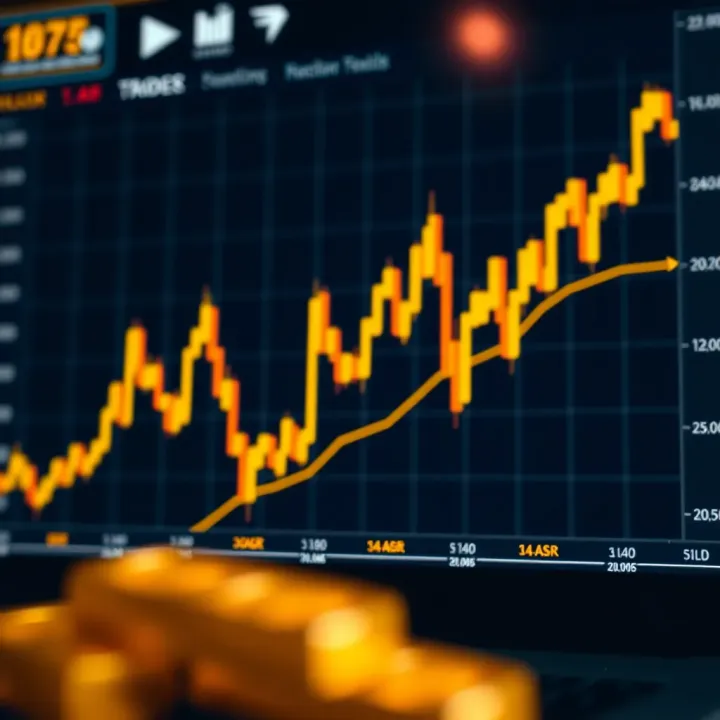
📈 Explore XAUUSD gold signals to trade gold vs USD smartly! Learn types, analysis methods & risk tips for confident trading in Pakistan & beyond.
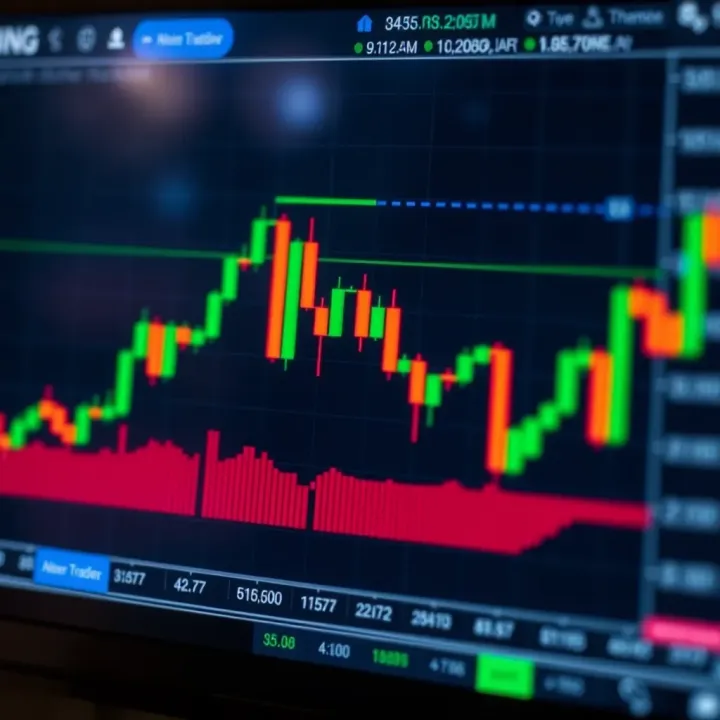
📈 Explore essential trading graphs that reveal price movements, key patterns, and components to help traders in Pakistan make smart market decisions with confidence.
Based on 8 reviews