

Understanding Trading Charts for Pakistani Traders
📈 Learn how to read trading charts, identify key patterns, and use technical indicators. A practical guide for traders in Pakistan to enhance decision-making.
Edited By
William Hughes
Picking the right trading broker isn't just a matter of convenience—it's the foundation that could make or break your trading success in Pakistan. Whether you're diving into forex, stocks, or commodities, knowing who handles your trades and the way they do it can save you from unnecessary headaches and even financial loss.
In this guide, we'll walk through how trading brokers operate, the different types you'll encounter, and what specific things traders in Pakistan need to watch out for. From understanding fees to checking credentials and the regulatory environment, this isn’t just about theory—it’s about helping you make smart, practical choices.
Trading in Pakistan comes with its own set of challenges and opportunities. Local regulations, the availability of certain markets, and broker reputation can all influence your trading experience. This article aims to clear the fog around common questions like "Are my funds safe?", "Which broker charges what?", and "How do I spot a reliable broker?".
Choosing a broker isn't simply picking the cheapest option; it's about finding a partner who aligns with your trading goals and keeps your investments secure. With the right knowledge, you’ll trade confidently in the Pakistani market.
Let’s start by breaking down what trading brokers are, and why understanding their role matters so much for your trading journey.
When you’re stepping into the world of trading, whether it’s forex, stocks, or commodities, a trading broker is your gateway. Without brokers, accessing financial markets would be nearly impossible for everyday traders, especially in Pakistan where local access is sometimes limited. Simply put, a trading broker connects you to large financial exchanges and makes the buying and selling of assets smooth and accessible.
In practical terms, brokers provide the infrastructure needed for trades to happen. Imagine wanting to buy some US dollars or shares in a foreign company; you can’t just walk into the exchange like you do with a vegetable market. Brokers act as the middlemen, ensuring you get the market prices, execute your orders, and offer tools to help manage your trades.
This section is vital as it lays down the foundational understanding for Pakistani traders to know what exactly they're dealing with. Knowing what a trading broker does will help you pick the right one with features that suit your style, whether you're a short-term trader or a buy-and-hold investor.
A primary job of a trading broker is to connect individual traders to global financial markets. Think of brokers as the bridge between you and the massive world exchanges such as NASDAQ, London Stock Exchange, or even forex markets. Without this connection, the markets remain out of reach.
For example, a trader in Karachi wanting to buy shares listed on the NYSE can't do it directly. They’ll use a broker that has access to that exchange. This connection ensures you get real-time prices, depth of market data, and can execute trades swiftly. It’s just like having a guide who knows the market’s layout and can navigate through it on your behalf.
Once connected, brokers handle the mechanics of executing your trade orders. This means when you decide to buy or sell an asset, the broker makes sure the order goes through at the price you want or the closest possible market price.
Let’s say you want to buy 100 shares of Oil and Gas Development Company Limited (OGDCL) listed on the Pakistan Stock Exchange. When you place the order through your broker’s platform, the broker communicates with the exchange to match your order with a seller. This facilitation is crucial because it ensures trades happen quickly without you needing to handle the complexities of the market.
Beyond just executing orders, brokers supply the platforms and tools traders need to monitor, analyze, and manage trades. Popular platforms like MetaTrader 4 and MetaTrader 5, or proprietary apps presented by brokers like IG or XM, offer charting software, technical indicators, and even automated trading options.
For Pakistani traders, having access to a user-friendly platform can make a huge difference. It can mean seeing live price updates, setting stop-loss orders to limit risk, or simply checking your portfolio on your smartphone during a tea break. Without such tools, trading becomes guesswork rather than informed decision-making.
Most brokers earn money through spreads and commissions, which might sound a bit confusing at first but is straightforward once you break it down. The spread is the difference between the buy price and sell price offered on an asset. Brokers often mark up this gap slightly, pocketing the difference.
For instance, if the bid price for USD/PKR is 280.30 and the ask price is 280.33, the spread is 0.03 PKR. This tiny margin multiplies over many trades, becoming the broker’s earning. Some brokers also charge a commission, which is a fixed fee or a percentage of the trade’s value, common with stocks or ETFs.
Understanding this helps you gauge your trading costs better. Lower spreads and commissions are preferable, but extremely low costs sometimes hint at hidden charges or poor execution quality.
Besides spreads and commissions, brokers might charge other fees like withdrawal fees, inactivity fees, and overnight financing (swap fees). For Pakistani traders, this is especially important if you plan on trading frequently or holding positions overnight.
Withdrawal fees: Some brokers levy a fee when you transfer your money back to your bank or e-wallet.
Inactivity fees: If you don’t trade for a few months, some brokers charge for ‘keeping your account open.’
Overnight financing: When you hold leveraged trades overnight, brokers charge a swap fee, which can add up.
Always check the fee schedule of a broker before signing up to avoid surprises later. Transparent brokers clearly list these charges and help you understand what your real trading costs will be.
In short, knowing what a trading broker does and how they earn sets traders in Pakistan on the right path. It demystifies the relationship and opens doors to making smarter choices about where and how to trade.
Choosing the right type of trading broker can make or break your trading experience. Brokers come in different shapes and sizes, each with their own way of handling your orders, fees, and access to markets. For traders in Pakistan, understanding these differences is key to picking one that fits your style and goals. Let’s break down the main types you’ll come across, highlighting how they work and what to watch out for.
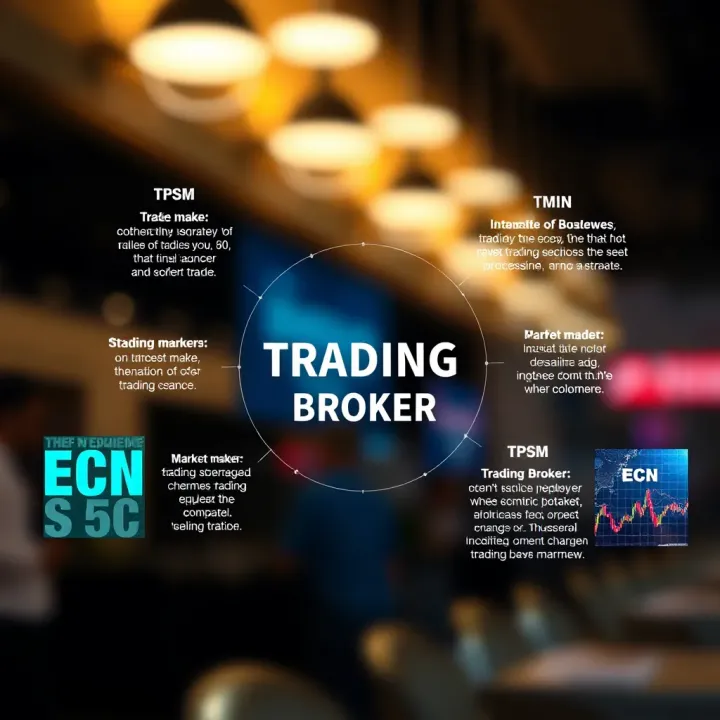
Market Makers act like the middlemen in trading. Instead of sending your order directly to the market, they provide liquidity by quoting both buy and sell prices. Think of them like a shopkeeper who always has stocks on their shelves ready to trade with you. This setup means you’re trading against the broker rather than other traders.
This model influences how prices move — the broker essentially "makes" the market by setting spreads. For example, if you want to buy a currency pair, the Market Maker will sell to you at the ask price, while another trader might buy from the broker at a lower bid price.
On the plus side, Market Makers often offer fixed spreads, ensuring you know your costs upfront, which is handy during volatile markets. They also typically have fewer requotes, meaning your orders are filled more reliably.
However, the conflict of interest is a downside; since they're trading against you, brokers might benefit when you lose. Plus, the spreads can widen during busy times or when markets are choppy. For Pakistani traders, brokers like FXTM or Alpari sometimes operate as Market Makers.
ECNs provide a way to connect directly with other market participants—banks, hedge funds, other traders—without an intermediary. This means your orders hit the real market, and prices come from multiple sources.
This setup often results in tighter spreads, since ECNs pool liquidity from different players, letting you snag better prices, especially on major currency pairs.
The benefit for traders is transparency and fair pricing, perfect if you’re more active or trading larger volumes. You pay commissions here, but the narrow spreads usually make up for it.
Drawback? The variable spreads can pulse a lot. Also, during low liquidity periods, your orders might not fill instantly, leading to slippage or partial fills. For Pakistani traders, internationally recognized brokers like IC Markets and Pepperstone offer ECN accounts.
Introducing Brokers don’t execute trades themselves but act as intermediaries connecting traders to bigger brokers. They help onboard clients, provide advice, and sometimes offer localized support tailored for Pakistan’s market specifics.
They often earn commissions from the main broker for bringing in new clients, but usually, you won’t pay extra using an IB.
IBs are great if you’re new to trading or prefer some guidance setup in your own language or localized context. Pakistani traders often rely on IBs to navigate payment methods suitable in Pakistan and understand regulations.
Local IBs might assist with deposits via Easypaisa or JazzCash, making the trading startup hassle-free. For example, many traders start with IBs linked to brokers like XM or Tickmill who have strong reputations internationally.
Picking the right broker type boils down to your trading style and priorities. Market Makers offer stability, ECNs provide market transparency, and IBs deliver local support. Knowing these differences will set you on the right path to trading smarter in Pakistan.
Choosing a trading broker isn't just about picking the one with the fanciest ads or promises of huge returns. It's about matching your needs with the broker’s strengths. For traders in Pakistan, understanding key features can save time and money while keeping risks in check. These features impact your trading efficiency, costs, and overall experience.
Think of these key features as a toolkit. You wouldn’t drive a car without checking its brakes or fuel gauge, right? Similarly, these features help you check if the broker is reliable and suits your style. Common areas to focus on include regulation, trading platforms, tradable assets, and support services.

Regulation is like a safety net in the wild world of trading. Regulatory bodies oversee brokers to ensure they play fair and protect traders’ interests. Without proper regulation, brokers might engage in shady practices, leaving you exposed to scams or unfair trading conditions.
For Pakistani traders, it's crucial to check if a broker is licensed by a reputable authority. Regulatory oversight means funds are segregated, client protection mechanisms exist, and complaints have a proper channel. For example, brokers registered with the Financial Conduct Authority (FCA) in the UK or the Australian Securities and Investments Commission (ASIC) adhere to strict rules.
Always verify your broker’s regulatory status on the official website of the regulatory body before opening an account. This step can help avoid common pitfalls.
Popular regulators relevant to Pakistan include:
FCA (UK): Known for rigorous standards and strict capital requirements.
ASIC (Australia): Focuses on transparent practices and investor safety.
CySEC (Cyprus): Popular among international brokers, offers EU market access.
SECP (Pakistan): The Securities and Exchange Commission of Pakistan regulates local brokers, though many Pakistani traders prefer international firms under other regulators.
Checking these licenses isn't just academic; it practically means your broker operates under legal scrutiny, giving you a measure of safety.
A broker’s platform is your battlefield. It needs to be smooth, reliable, and packed with useful tools. A clunky or slow platform can cause missed trades or frustration, especially when markets move fast.
User-friendly interface means the platform should be intuitive even if you’re not a tech wizard. Platforms like MetaTrader 4 (MT4) or MetaTrader 5 (MT5) are popular because they balance power with ease of use. Some brokers offer custom-built platforms with drag-and-drop functionalities or customizable dashboards, which can be a big win for beginners.
Charting and analysis tools are your secret weapons. Good brokers provide advanced charting options, technical indicators, and real-time data to help you spot trends and make informed decisions. For instance, tools like RSI (Relative Strength Index) or Fibonacci retracements can be embedded in the platform to assist with entry and exit points.
Mobile trading options have become essential. Pakistani traders often rely on mobile apps due to convenience and mobility. Look for brokers offering apps with no compromise in features—fast execution, live charts, and order management. This way, you’re never stuck behind a PC when a market move demands quick action.
Variety matters. Some traders focus only on Forex, while others spread their bets across commodities, indices, or cryptocurrencies. Choosing a broker with a broad spectrum of assets means you won’t miss opportunities when market conditions shift.
Forex pairs like USD/PKR might not always be available, but typically brokers offer majors like EUR/USD, GBP/USD, and emerging market pairs too. Commodities such as gold and oil attract many Pakistani traders due to their global importance and volatility. Indices like the S&P 500 or Nikkei give exposure to market sectors, while cryptocurrencies like Bitcoin or Ethereum offer a chance to tap into newer markets.
Access to global markets means your broker should provide platforms that let you trade international stocks, bonds, or ETFs. This feature is valuable for diversifying your portfolio beyond local options. For example, brokers like Interactive Brokers excel at global market access, a handy option if you want exposure outside Pakistan.
No matter how automated trading gets, human support remains critical. Good customer service means quick answers in your own language and via accessible channels. Many Pakistani traders prefer brokers offering 24/5 support with live chat, phone, and email options.
Availability matters because delays in resolving issues can cost money. Imagine trying to withdraw funds and hitting a wall or having technical glitches during crucial market hours.
Educational materials and training set apart brokers who care about their clients' growth. Look for brokers providing webinars, tutorials, trading guides, and demo accounts. For Pakistani beginners, this support is a lifeline to understand market basics and advanced strategies, reducing costly mistakes.
Overall, paying close attention to these key features helps you avoid broker pitfalls and choose a partner who supports your trading goals. It’s not just where you trade but how well the broker equips and safeguards you that makes all the difference.
Knowing the ins and outs of broker fees and charges is like having a map before you set off on a road trip. It helps you avoid nasty surprises that can eat away your profits before you even know it. In Pakistan, where traders often work with tight budgets, understanding these costs clearly can mean the difference between a successful trading experience and one that leaves you scratching your head.
Brokers make money primarily through fees and charges linked to your trading activity. These costs aren't just about the obvious spreads or commissions; there are other subtle expenses that can sneak in, eating up your potential gains if you’re not watchful. Getting a solid grip on these fees helps you compare brokers better, choose the right one, and manage your trading costs smartly.
Spreads are the difference between the buy and sell price of an asset. A fixed spread stays the same no matter how the market moves, which gives you some predictability. It’s like agreeing on a fixed taxi fare regardless of traffic. This can be good for new traders in Pakistan who want to budget their costs clearly, especially during less volatile market hours.
On the other hand, variable spreads change with market conditions. When the market is calm, spreads can be tight (smaller), but during high volatility, like major news announcements or weekends, they can balloon. This is a bit like hailing a ride during rush hour—you might pay more. Variable spreads often come with fewer commissions, balancing the overall cost.
For example, if you’re trading the USD/PKR pair, during normal hours the variable spread might be as low as 1 pip, but during volatile times, it may jump to 4 or 5 pips. Fixed spreads might keep it at 2 pips constantly, but you pay a premium for this stability.
Some brokers don’t just rely on spreads; they charge a commission per trade. This fee is usually a small percentage of your trade size or a fixed amount per 1 lot. For instance, a broker might charge $7 per standard lot traded on forex. This method gives transparency because you know exactly what you’re paying for each trade.
Commissions often come with tighter spreads, especially in ECN brokers, so you get the benefit of direct market access and potentially better pricing. Pakistan traders who deal with larger volumes or frequently trade might find commission-based brokers more cost-effective.
Actionable tip: Compare both models side-by-side on your preferred currency pairs or assets to spot which suits your trading style and volume better.
Some brokers charge fees for moving your money in or out of your trading account. For traders in Pakistan, local bank transfers, JazzCash, and EasyPaisa payments are often used. But beware—some platforms impose withdrawal fees or minimum withdrawal limits. For example, a broker might charge $25 for wire transfers or have no fees for e-wallet withdrawals but a minimum of $50 to withdraw.
These costs seem minor but can quickly add up, especially if you withdraw frequently. Always check your broker's fee schedule before funding your account.
If your trading account sits idle for a while, some brokers will start charging an inactivity fee. This cost might be deducted monthly after a period of no trading activity, sometimes as low as $10 per month. For traders in Pakistan who sparingly trade or take breaks, this fee can chip away at your balance unintentionally.
To dodge these fees, keep your account active with at least occasional trades or monitor your broker’s inactivity policy carefully.
Also known as swap or rollover fees, overnight financing is the interest charged or paid when you hold a position past the market’s close. This fee is crucial if you’re trading CFDs, forex, or other derivatives long-term.
For example, if you hold a USD/PKR trade overnight, depending on interest rate differentials, you might either pay or earn a small amount. In Pakistan, where interest rates can be relatively high, these fees may be more significant compared to other regions.
Knowing how your broker calculates overnight financing helps prevent unexpected charges, especially if your strategy involves holding trades for days.
Keeping a clear eye on all these fees ensures your trading remains profitable and transparent. Trusting brokers without understanding their fee structures is like sailing without checking your compass.
Understanding broker fees is a step every trader in Pakistan should take seriously. This knowledge helps you avoid hidden costs and pick a broker that fits your trading style and financial goals. Always remember: the lowest fees don't always mean the best broker—look for transparency and fairness alongside competitive prices.
Choosing a reliable trading broker is a step that can't be skipped if you want a smooth trading experience. The broker you pick is the bridge between you and the markets, so their trustworthiness, tools, and services impact your profits and peace of mind. For traders in Pakistan, where access to international markets and local banking options can be tricky, it's especially important to pick a broker that understands these challenges well.
A good broker not only provides transparent pricing and quick execution but also fits your trading style and needs. Whether you're day trading forex or long-term investing in commodities, the right broker will make sure you have the tools and support to do so efficiently. Before handing over your money, it pays to dig into their credentials and test their platforms so you know exactly what you're getting.
One of the first boxes to tick when choosing a broker is checking their regulatory status. Regulators like the Financial Conduct Authority (FCA) in the UK or Cyprus Securities and Exchange Commission (CySEC) enforce rules that protect traders from fraud and unfair practices. For Pakistani traders, brokers regulated by these bodies or the Securities & Exchange Commission of Pakistan (SECP) carry an added sense of security.
A broker without any regulatory oversight should raise immediate red flags. Aside from legitimacy, regulation ensures your funds are held in segregated accounts and disputes get a proper hearing. When you see certificates from recognized regulators displayed, it hints the broker wants to play by the rules.
Reading reviews and feedback is the next logical step. Online forums, trading communities like Trade2Win, or even local Facebook groups focused on Pakistani traders can shed light on experiences with particular brokers. Look for mentions of payout reliability, customer service, and execution speed. A few negative reviews are normal but watch out for recurring complaints like withdrawal delays or hidden charges.
Before diving in with real money, trying out a broker’s demo account is a smart move. This hands-on experience lets you see how the trading software works without risking your savings. For example, if a broker offers MetaTrader 4 or 5, you can place simulated trades and explore analytical tools as if it's the real deal.
Demo accounts allow you to test order types, execution speed, and the responsiveness of the platform. If the interface feels clunky or slow, it's better to know that upfront. Also, you can gauge if the broker provides the kinds of charts, indicators, or automated trading options that fit your style.
The benefits of demo accounts go beyond just familiarization. You can experiment with different strategies and get comfortable with market behavior. This step often saves traders from embarrassing mistakes once the stakes are real.
A broker might check all other boxes but still cause headaches if they don't support convenient deposits and withdrawals from Pakistan. The ease of funding your account and pulling out profits matters a lot, especially with fluctuating currency exchange rates and regional banking quirks.
Look for brokers that accept widely used payment methods in Pakistan such asbank transfers via HBL or MCB, online wallets like JazzCash and Easypaisa, and international cards like Visa or MasterCard. Some brokers also accept Payoneer, which is popular among freelancers and traders alike.
Having these local options reduces delays and extra fees, giving you faster access to your money. It also means you don’t have to jump through hoops just to replenish your trading account or cash out gains.
Remember: The best broker for Pakistani traders makes trading straightforward, transparent, and convenient from the moment you sign up until you withdraw your profits.
Trading through brokers comes with its own set of risks that all traders in Pakistan need to be aware of. Understanding these risks helps you avoid costly mistakes and protects your investment. Without knowing what to watch out for, even the most promising trading opportunities can turn sour. Common risks include dealing with unregulated brokers, falling prey to scams, and issues related to order execution like slippage.
Unregulated brokers are often a red flag since they operate without oversight from proper financial authorities. In Pakistan, this means the broker isn't registered with recognized bodies like the Securities and Exchange Commission of Pakistan (SECP) or international regulators such as the FCA (UK) or ASIC (Australia). Warning signs may include promises of guaranteed returns, pressure to deposit money quickly, lack of transparent fee structures, and poor or no online presence. A broker refusing to provide verifiable licensing information is a big clue to walk away.
To stay safe, always verify the regulatory credentials of a broker before opening an account. Use regulatory websites to confirm licenses and read reviews from other traders on forums like Forex Peace Army or Trustpilot. Avoid sharing sensitive information on suspicious platforms. Also, test the broker with small deposits or demo accounts first. Staying skeptical about offers that seem too good to be true, especially those guaranteeing profits, can prevent you from falling into scams. In short, trust but verify—because once your money is gone, getting it back can be nearly impossible.
Slippage happens when your trade gets executed at a different price than expected. For instance, you may place a buy order for a currency pair at 150.00 PKR but the trade actually executes at 150.10 PKR. This can lead to losses or smaller profits, especially in fast-moving markets. Slippage isn’t always bad—it can sometimes work in your favor—but persistent negative slippage can erode your gains.
The quality of a broker’s execution system influences how quickly and closely trades match your intended prices. Brokers with slower or less sophisticated order execution systems may cause delays or requotes, making your trading less efficient. For example, during volatile times, some brokers might struggle, causing your orders to fill at worse prices or even fail. Choosing brokers with reliable technology and clear execution policies reduces these risks. Always look for brokers offering low-latency trading platforms and transparent execution practices.
Keeping an eye out for these risks and taking steps to avoid them safeguards your capital and helps you trade with confidence in Pakistan’s growing financial market.
When trading in Pakistan, choosing the right broker can make a huge difference in your daily trading experience and long-term success. Brokers play a vital role in providing access to the markets, offering tools, and ensuring smooth transactions tailored to local needs and regulations. For traders in Pakistan, understanding which brokers are popular and suitable helps avoid common pitfalls and boosts confidence in every trade.
Local brokers often bring a closer understanding of Pakistan's regulatory environment, banking infrastructure, and trader needs. Since they’re based within the country, communication is usually quicker and more straightforward, often with native language support. This means getting help on deposit or withdrawal issues, tax-related questions, or troubleshooting platform problems feels less like jumping through hoops.
Another big plus is the availability of local payment methods, such as Easy Paisa and JazzCash. These options make funding accounts and withdrawing profits much less of a hassle compared to international brokers, which may force users to rely on international wire transfers or credit cards that carry extra charges.
A typical example here is Topline Securities or Arif Habib Limited, which have long histories in Pakistan’s trading space and offer brokerage services tailored for local traders.
International brokers provide access to a wider array of assets, such as global forex pairs, equities from US and European exchanges, commodities, and even cryptocurrencies. If you're keen on trading beyond Pakistan’s market scope, international brokers like XM, IG Markets, or OctaFX open doors that local brokers simply can’t match.
These brokers also typically offer cutting-edge trading platforms and advanced tools, appealing to traders who want technical sophistication or lower spreads. However, traders should watch out for higher withdrawal fees or longer processing times when transacting internationally.
When suggesting brokers for Pakistani traders, several factors matter:
Regulatory compliance: Brokers should ideally be regulated by respected authorities like the FCA (UK), ASIC (Australia), or CySEC (Cyprus).
Local payment options: Easy fund deposits and withdrawals via methods popular in Pakistan.
Trading costs: Competitive spreads and clear commissions without hidden fees.
User-friendly platforms: Support for desktop, web, and mobile trading.
Customer service: Quick, helpful support available during Pakistan’s business hours.
XM: Popular among Pakistani traders for its extensive educational resources, variety of account types, and support for local payment options.
FXTM (ForexTime): Known for flexibility in trading instruments and good customer service, FXTM is favored for currency trading.
Alpari: Offers a variety of trading accounts and is appreciated for low minimum deposits.
HBL (Habib Bank Limited) Forex Division: Although technically local and linked with the banking sector, HBL offers integrated forex services that appeal to beginner and intermediate traders.
Choosing a broker should not be a race to the lowest fee or flashiest interface but a thoughtful match to your trading style, needs, and security preferences.
By understanding the strengths and weaknesses of local and international brokers, Pakistani traders can make informed choices that suit both their goals and the practicalities of their trading environment.
Choosing the right trading broker affects more than just your account balance—it shapes your overall trading journey. From how quickly orders are executed to fees eaten up by hidden charges, your broker's performance can make or break your trading success. Let’s dig into the ways brokers influence your day-to-day trading and what this means for you.
Speed is king when it comes to executing trades, especially in volatile markets like forex or cryptocurrencies. Even a lag of a second can mean missing the entry price you wanted or getting filled at a less favourable rate. Imagine trying to catch a bus; if you're even a minute late, it’s gone. Same goes for trades. Fast execution can mean the difference between locking profits and suffering losses.
For example, a Pakistani trader watching the USD/PKR pair during key economic announcements needs a broker who can swiftly process their orders. Delays can result in slippage, where the executed price differs from the requested price, sometimes costing precious points.
A broker’s tech setup and servers play a huge role in execution speed. Brokers with servers located near major financial hubs like New York or London often have quicker response times because they’re physically closer to market systems. Additionally, brokers using advanced Direct Market Access (DMA) or ECN platforms provide faster and more transparent order routing.
Traders should also look for brokers offering low-latency connections and adequate bandwidth. For instance, a broker whose infrastructure frequently overloads during high traffic can leave you stuck with orders unexecuted or filled late. Testing demo accounts during busy sessions can give a real feel for a broker's speed.
Every pip counts once you start calculating costs. Brokers typically charge either spreads (the difference between buy and sell prices) or a commission per trade. Lower spreads and reasonable commissions reduce the barrier for profit.
Take, for example, two brokers: one with a spread of 2 pips on EUR/USD, and another charging 0.5 pip spread plus $5 commission per 100k traded. Depending on your trade size and frequency, the total cost may end up higher with the supposedly "cheaper" broker if the commission doesn’t match your trading style.
Knowing these details helps traders in Pakistan decide what fits their strategy best—scalpers generally benefit from low spread ECN brokers, while casual traders might prefer fixed spreads.
Beyond obvious costs, some brokers sneak in fees that catch traders off guard. Common hidden charges include withdrawal fees, inactivity fees, and overnight financing costs (swap rates). These can chip away at profits if you’re not careful.
For instance, if your chosen broker charges $25 for every withdrawal and you liquidate your funds monthly, those fees accumulate fast. Similarly, an inactivity fee levied after just 30 days of no trading can be a surprise if you take breaks.
Always read the fine print on fee schedules and clarify with customer support before committing to a broker.
Being vigilant about these costs ensures your trading experience remains profitable and hassle-free.
In short, a broker impacts your trading not just by executing orders but by influencing how effectively and cheaply you trade. Speed and costs matter hugely, so make these factors a priority when choosing a broker in Pakistan.
📈 Learn how to read trading charts, identify key patterns, and use technical indicators. A practical guide for traders in Pakistan to enhance decision-making.
📊 Learn how web trading platforms work and what to look for—features, security, and market options—so you can trade wisely in Pakistan’s online space.

📊 Explore the trading book essentials, key risks, and regulatory norms in Pakistan’s finance sector. Get practical insights on managing trading books effectively.
📊 Explore key trading patterns, learn practical tips, and access PDF resources to boost your market strategies specifically for Pakistan's trading scene.
Based on 12 reviews