

Guide to Cryptocurrency Trading in Pakistan
📈 Explore a practical guide to cryptocurrency trading in Pakistan 🇵🇰. Learn to choose platforms, manage risks, and navigate local regulations for smarter trades.
Edited By
William Foster
Trading in financial markets can be tricky, especially with so much info floating around. Lately, Telegram has become a hotspot for trading signals — little tips and suggestions that traders share to help others decide when to buy or sell stocks, forex, or crypto. But how useful and reliable are these signals, especially for traders in Pakistan? That's what we're here to figure out.
In this article, we’ll break down what trading signals really mean, why so many Pakistani traders turn to Telegram for them, and importantly, how you can spot good signals from dodgy ones. We’ll also cover the risks involved, some legal points to keep in mind, and even touch on alternative ways to get trading advice beyond Telegram.
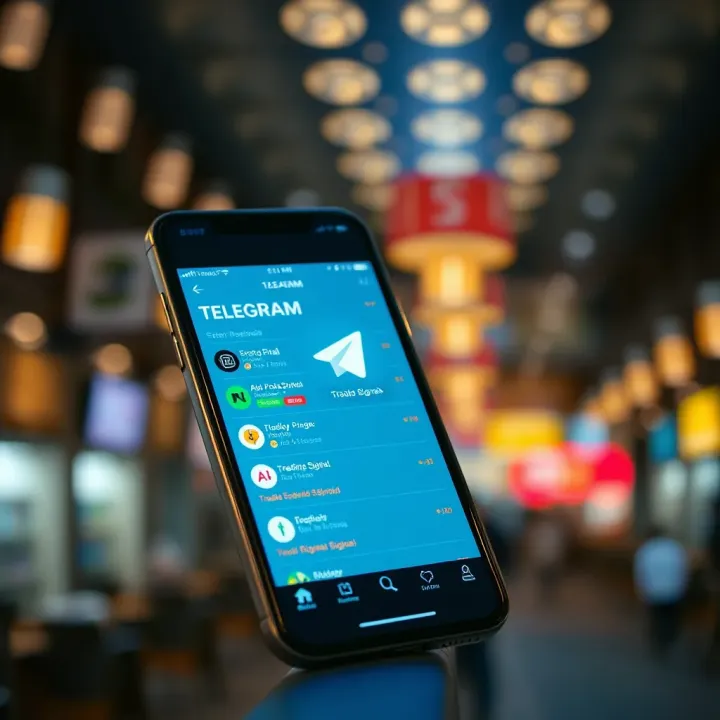
Think of this as your no-nonsense, practical guide to making sense of trading signals on Telegram, tailored for the local market conditions and regulations in Pakistan. Whether you’re a seasoned investor, a newbie trader, or just curious, this guide aims to give you clear, actionable insights to help take smarter financial steps.
Getting a handle on trading signals is like having a compass when you're out in the trading sea. They aren't some magic cause for hitting big wins but a tool—one that can help make the complex world of financial markets a bit easier to navigate.
Trading signals are basically alerts or suggestions that tell you when it might be a good time to buy or sell an asset. These can come from experts, software, or programs that analyze market data and spot trends or price patterns.
Types of trading signals vary widely. For example:
Manual signals from experienced traders who study charts and economic news.
Automated signals generated by software that watches price movements.
Copy trading signals where you mimic trades of successful traders.
Understanding these helps you pick the kind of signals that fit your style, whether you want hands-on control or prefer letting tech handle the heavy lifting.
How signals help make trading decisions is pretty straightforward. Suppose you're watching the Pakistan Stock Exchange and a signal tells you to buy shares of Habib Bank Limited based on an upcoming dividend announcement. Using this signal could steer your move wisely, preventing blind guessing. Signals condense lots of market info into clear calls, saving you tons of time and energy. But remember, they don't guarantee wins—think of them as a nudge, not the final word.
When it comes to figuring out these signals, there are three main approaches traders rely on:
Technical indicators are tools like the Relative Strength Index (RSI) or Moving Average Convergence Divergence (MACD) that crunch numbers from price and volume data. For example, if a MACD crossover suggests upward momentum in the KSE 100 index, a signal might fire off saying "buy." These indicators help spot trends and reversals based on past price moves.
Fundamental analysis digs into the financial health behind the scenes—company earnings, economic policies, or political stability in Pakistan, which can sway markets. Say a new government policy promises infrastructure investment; signals based on fundamentals might highlight construction or steel companies as promising buys.
Algorithmic trading uses computer programs that combine both technical and fundamental data instantly to make decisions. These algorithms can spot market inefficiencies and send signals faster than humanly possible. For example, if there's breaking news on currency devaluation, an algorithm might trigger a signal that advises traders to adjust their forex positions right away.
Remember: No single method is foolproof. The best traders often blend these approaches to get a fuller picture and make wiser moves.
Understanding these basics lets Pakistani traders better grasp what goes into the signals they receive on Telegram and how to put them to good use without relying blindly on others. It's about equipping yourself with smart tools, not just following hearsay or fancy promises.
Telegram has become a go-to platform for traders around the world, and Pakistani traders are no exception. Its mix of user-friendly features and powerful communication tools makes it ideal for sharing trading signals quickly and efficiently. Unlike traditional forms of communication like emails or SMS, Telegram allows traders to get timely updates, detailed insights, and real-time alerts all in one place.
For example, traders often join Telegram channels to receive instant buy or sell signals based on market trends. These alerts can directly impact decisions on stocks, forex, or cryptocurrencies. All of this happens without the hassle of sorting through spammy emails or waiting for delayed notifications. This immediacy helps traders react swiftly to market changes, which is a huge advantage in the fast-moving world of trading.
Telegram stands out for its simple yet effective communication style. Messages, images, charts, and even voice notes can be sent instantly without losing quality. For Pakistani traders, this means they can easily share detailed analysis or quick tips without technical barriers. The app supports group chats and direct messages, which means users can discuss signals openly or privately, depending on their preference.
Additionally, Telegram's interface is clean and easy to navigate even for beginners. This lowers the learning curve and ensures traders can focus more on trading rather than figuring out complicated software. It’s almost like having a chat room dedicated to trading right in your pocket, accessible anytime, anywhere.
One of Telegram’s powerful features is allowing large groups or broadcast channels that can have thousands of members. For trading signals, this means a single channel can reach hundreds or thousands of traders at once. Pakistani traders benefit from this by getting signals from popular channels that aggregate expert opinions and market data.
For instance, a channel like “Pakistan Forex Signals” might have over 15,000 active members sharing updates. This large community not only receives signals but also discusses them, giving users additional insight and confidence. Such scale also allows signal providers to offer free basic signals and premium paid ones, catering to different user needs.
Markets can change in the blink of an eye. Telegram’s real-time messaging ensures that trading signals are delivered without delay. This immediacy is critical for day trading or scalping, where a minute can mean the difference between profit and loss.
Imagine a scenario where a signal calls for selling a specific stock after a sudden market drop. Getting this alert seconds late on other platforms could cost a trader dearly. Telegram cuts down this lag significantly, making it a top choice for traders wanting to stay ahead of the curve. Practically speaking, Pakistani traders can get fresh signals even when away from their computers, thanks to Telegram’s mobile app.
Understanding the difference here is important. Broadcast channels allow only admins to post messages while members receive updates quietly. This is perfect for trading signal providers who want to push clear, unambiguous alerts without clutter or chatter.
On the other hand, groups promote interaction among members, encouraging discussion and sharing of personal insights. Some trading communities use a mix of both: signals go out via broadcast channels, while separate groups exist for analysis and feedback.
Pakistani traders can leverage this by choosing channels that suit their style — if they want straightforward signals, join a broadcast channel. For collaborative trading and learning, joining groups might be better.
Privacy is a huge concern for the trading community given the sensitive financial data involved. Telegram offers end-to-end encrypted chats, and users can enable private groups or channels invisible to outsiders.
This means Pakistani traders can share their investments or strategies without fearing leaks. Even administrators have tools to control who can join and what can be shared, adding an extra layer of security. This trust factor makes Telegram favored by many serious traders.
Telegram’s support for bots adds a tech-savvy edge to trading. Bots can automate routine tasks like sending scheduled signals, tracking market prices, or even executing simple trades based on preset triggers.
For example, a bot can post a “buy” signal every day at market open, or alert users if a currency pair hits a certain level. Some Pakistani Telegram channels use bots to provide instant charts or technical indicator readings on demand, saving time and effort.
Bots also enable analysis tools right within the chat, making complex data accessible quickly. This automation not only makes signal delivery smoother but also helps traders respond faster without manually crunching numbers.
Telegram’s combination of ease, real-time updates, and automation tools offer a cocktail of features uniquely suited for sharing trading signals — a real boon for traders needing timely and reliable info.
By choosing Telegram wisely and understanding its features, Pakistani traders can enhance their strategies and keep pace with the market’s ups and downs.
Trading signals can be a helpful tool, but their value hinges heavily on how reliable they are. For Pakistani traders, knowing which signals to trust isn't just about making a profit—it's about protecting hard-earned money in a market that can be unpredictable. This section pulls back the curtain on how to evaluate these signals critically so you don't fall into traps common on Telegram groups or channels.
Understanding reliability means looking beyond flashy promises and digging into the substance. A signal's source, track record, transparency, and user reputation all come into play. Without this scrutiny, it’s easy to clap hands to signals that sound great but lead to heavy losses, especially in volatile markets like those involving PKR-based instruments or local commodities.
Reliable signal providers share key traits you can spot if you know what to look for:
A trustworthy channel will openly share its past trades—not just the wins but also losses. This honest history helps you judge their real performance. For example, a Telegram channel reporting 70% wins but hiding the losing trades should raise eyebrows. Always ask for detailed stats or screenshots showing clear outcomes over months, not just a few lucky days. Transparency here prevents you from chasing false hopes.
Good providers don’t just shout "Buy!" or "Sell!" They explain why. Whether it's based on technical indicators like RSI or moving averages, or fundamental news like changes in the State Bank's interest rates, clarity is key. Take a channel that mentions the reason behind a signal — feeling confident about strategy helps you learn, not just follow blindly. Plus, understanding the rationale can protect you when you decide to tweak or skip a signal.
Look around for what other traders say about the channel. Real user feedback from platforms like Reddit or local trading forums can reveal if the signals delivered match promises. Beware of channels with only glowing reviews that seem suspiciously pat; genuine communities usually have a mix of opinions. If possible, join trial periods or free groups first and compare results before committing financially.
Sometimes, signals might look inviting but carry hidden risks. Spotting red flags early can save you from costly mistakes.
Be cautious if a channel claims something like "Earn 50% profit every week" without solid proof. Markets don't work like magic vending machines. Promises of guaranteed or extremely high returns usually spell trouble, often linked to pump-and-dump schemes or outright scams. Reliable providers respect market risks and offer balanced expectations.
Avoid signal providers who hide their identity or refuse to back their claims with verifiable data. No genuine trader or analyst can perform under a veil of secrecy. For instance, channels that don’t show proof of past trades, or use fake screenshots, should be treated with suspicion. Ask for third-party proof or signals validated by known trading platforms.
High-pressure sales pitches—"Only 5 spots left! Join now or miss out!"—are common scam signals aiming to rush you into decisions. Telegram channels that push you to send money quickly or ask for fees upfront without trial options are often dangerous. Legitimate services give you time to evaluate before investing. Remember, scammers rush you because hesitation saves you.
Tip: Always take a step back and think logically before following any trading signal. Good signals win trust with time and transparency, not with fast talk or flashy claims.
By understanding these traits and warning signs, Pakistani traders can better navigate Telegram trading signals, using them as a helpful tool rather than falling prey to risky or fraudulent setups.
Choosing the right Telegram channel for trading signals isn't just about picking the one with the biggest follower count. It’s about finding a channel that aligns with your trading goals, risk appetite, and offers signals that you can trust and act upon. In the Pakistani trading context, where market conditions can change rapidly and misinformation spreads easily, it's essential to be discerning.
Selecting a reliable signal channel can help you avoid costly mistakes and enhance your decision-making with timely, accurate trade recommendations. A channel that regularly updates, explains its signals clearly, and keeps its community engaged is more likely to serve as a valuable tool rather than just noise.
One of the first things to look at is the size of the channel's community and how actively involved its members are. A large community can be a good sign, but engagement—comments, questions, and discussions—is even more telling. For example, if you see a channel with thousands of members but little to no interaction, it might mean that members are not finding value or the channel is not trustworthy.
Look for channels where members share their results, discuss signals, and provide feedback. Engaged communities often help expose inaccuracies or scams quickly. For Pakistani traders, a tight-knit community where members share real trading experiences can be a practical asset, especially when markets react unpredictably due to local economic factors.
Checking how a channel has performed over time is crucial. A channel boasting overly optimistic gains without showing its losses is a red flag. Reliable channels usually share a track record, sometimes with screenshots or verified data of historical signals and outcomes.
For instance, if a Telegram channel has consistently predicted price movements in the PSX or forex market and transparently shows its winning and losing trades, it demonstrates accountability. Past performance doesn’t guarantee future success, but it gives a realistic picture and helps avoid channels that make empty promises.
Free signals are tempting, especially for new traders or those with limited budgets. They allow you to test whether subscribing to any service suits your style and needs. However, free signals often come with limitations:
They might be delayed compared to paid services.
Quality and accuracy can be hit-or-miss.
Channels often push premium plans aggressively to convert free users.
On the upside, you don’t risk any upfront payment and can learn by observing how these signals work or don’t work in real market conditions.
Paid signal services often promise more accurate, timely signals with detailed analysis and support. Companies like FalconsTrade or SignalStart, known in professional circles, offer such paid subscription models. Premium channels usually provide:
Clear entry, exit, and stop-loss points.
Regular updates and explanations of trade logic.
Dedicated support or community interaction.
However, paying doesn't guarantee profits. Always verify if the service has a return or trial period and read reviews from other Pakistani traders. Paying should come with an expectation of accountability and transparency, not just promises.
Remember, whether free or paid, the key is combining signals with your own research and not putting all your eggs in one basket. It’s your money, so use signals as a helpful nudge, not a blind guide.
By carefully researching channel history, community engagement, and weighing free and paid options, Pakistani traders can improve their chances of finding Telegram trading signals that genuinely help sharpen their trading edge.
Trading signals can be a helpful tool in a trader’s toolkit, but integrating them into your own strategy is where things get real. For Pakistani traders using Telegram signals, it’s not about following these tips blindly; it’s more about blending these signals with your own experience and market understanding to make smarter trading decisions. By doing this, you mitigate risks and tailor decisions to your personal trading style and risk tolerance.
Combining signals with personal analysis is crucial. Think of signals as a nudge rather than a command. For example, if a Telegram signal suggests buying a particular currency pair, it doesn’t mean you rush in without checking the bigger picture. Look at the current market trends, support and resistance levels, and any economic news affecting the asset. For instance, if you see signals for buying PKR/USD but there’s upcoming political uncertainty or an economic report expected, your personal analysis may tell you to hold off or set tighter stop losses.
In practice, this means:
Use signals to identify potential opportunities
Cross-check with your charts and news
Confirm the timing aligns with your trading plan
Avoiding blind reliance comes into play because signals, especially on Telegram, vary widely in quality. Some providers might hype up trades without strong backing. Imagine putting your whole savings on a signal without thinking—this can end badly. Instead, treat signals as one piece of info. Ask yourself questions: "Does this align with my technical analysis?" or "Am I comfortable with this level of risk?" This prevents rash decisions driven by emotion or hype.
How to enter and exit trades based on signals often defines success. A signal might say "Buy XYZ stock at 100" but missing entry by even a few points can change the risk-reward scenario. To improve timing:
Set alerts on your trading platform to catch signals quickly
Combine signals with price action confirmation such as a breakout or a bounce
Plan your exit beforehand — know your take profit and stop loss based on realistic goals and market behavior
For example, if a signal suggests entering a trade at 1500 in the Pakistan Stock Exchange index, waiting for confirmation like a volume increase or price holding above a moving average can increase your chances.
Adjusting risk levels means you don’t put all your eggs in one basket, even if a signal looks solid. If you’re normally comfortable risking 2% of your trading capital on a trade, a signal-driven trade should not suddenly turn that into 10%. Adjust position size based on how confident you feel about the signal and how it fits with your overall portfolio.
Here’s a rough approach:
Start small if unfamiliar with the signal provider
Scale up as you see consistent good outcomes
Diversify your trades to avoid big losses from one signal going south
Remember, smart execution and proper risk control separate successful traders from the rest.
By thoughtfully integrating signals into your own strategy, Pakistani traders can avoid common pitfalls and develop a more resilient approach to trading through Telegram. Signals are there to assist, not take over your trading brain.
When using trading signals from Telegram channels, managing your risk is just as important as picking the right trades. Without a solid risk management plan, even the best signals can lead to significant losses. This section looks closely at practical steps Pakistani traders can take to protect their capital while following these signals.
Importance of limits
Setting stop loss and take profit points is like having a safety net and a planned exit strategy in place before jumping into any trade. It helps you automatically exit a position when things don’t go your way or when a target profit is reached. This is crucial because emotions, such as fear or greed, can cloud your judgment in real-time. For example, if a signal suggests buying a stock at Rs. 150 with an expected upside to Rs. 170, you may set a stop loss at Rs. 140 to cap losses if the price unexpectedly drops.
Examples of setting appropriate levels
Choosing where to place these limits depends on your trading style and the volatility of the asset. For instance, a day trader might set a tight stop loss, say 1-2% below the entry price, because they want to limit losses on short trades, whereas a longer-term trader could afford a wider stop loss, maybe 5-7%. Also, take profit points should align with realistic price targets based on the signal’s analysis rather than aiming for overly ambitious gains. Suppose you get a signal to buy Pakistan’s KSE 100 index future at 44,000, expecting it to rise to 45,000. Setting a take profit close to that 45,000 figure locks in gains before market conditions change.
Avoiding putting all capital in one trade
One common mistake is going all-in on a single signal, which puts your entire capital at risk on one move. Even trusted signal providers get some calls wrong from time to time. By allocating only a small percentage of your total trading capital per trade—for example, 2-5%—you shield yourself from heavy blows when a trade goes south. This approach also gives you the flexibility to stay active in the market even after a loss.
Spreading risk across assets
Diversification extends beyond capital allocation; it involves trading different assets or markets to avoid being overly exposed to a single event or sector. If you rely only on signals for the Pakistan Stock Exchange, you might want to consider signals related to forex pairs like USD/PKR or commodities such as gold as well. This mix means a sudden downturn in one market won’t wreck your whole portfolio. In fact, diversification is like not putting all your eggs in one basket—if one basket drops, you still have others safe.
Risk management isn’t a set-it-and-forget-it step. It requires constant review and adjustment as market conditions change and as you learn from your trading experience.
By focusing on setting clear stop loss and take profit points and diversifying your trades effectively, you can make better use of trading signals on Telegram without risking more than you can afford to lose.
When diving into trading signals on Telegram, especially in Pakistan, understanding the legal and regulatory landscape is not just wise—it's necessary. The world of trading signals can be a minefield if you don’t know the rules of the game. Regulations help keep the playing field fair and protect traders from shady operators. For Pakistani traders, getting familiar with these can prevent costly mistakes and legal troubles down the line.
The Securities and Exchange Commission of Pakistan (SECP) is the gatekeeper for financial markets in Pakistan. Their regulations aim to protect investors and maintain transparency. When it comes to trading signals, the SECP expects providers to operate transparently and comply with relevant laws. For instance, companies offering trading advice or signals may need to be registered or licensed under SECP to avoid running afoul of financial regulations.
Think of SECP guidelines as the guardrails: they don’t micromanage your every move but ensure providers don’t lead you into dangerous territory. The practical upshot? Before following any trading signals channel or service on Telegram, it's smart to check whether they're recognized by or compliant with SECP rules. This offers a layer of protection against unregulated “signals” that could be scams in disguise.
Picking a signal provider that follows local regulations isn’t just about legal compliance—it’s about your peace of mind. Compliant services are more likely to have a track record verified by regulatory bodies, meaning you aren’t betting blindly. For example, a Telegram channel claiming to provide signals linked to a registered broker or financial advisory firm has more credibility than a random, anonymous source.
Moreover, compliant services often have clear disclaimers and transparent communication. They’ll spell out risks and don’t promise unrealistic returns. So next time you’re tempted by a free-for-all Telegram group boasting sky-high profits, remember: choosing regulated providers minimizes risks, reduces chances of fraud, and helps you stay clear of legal complications.
In a sea of signal providers on Telegram, spotting the real deal is like finding a needle in a haystack. To protect yourself, always take time to verify credentials. This means checking the provider’s background: do they have licenses, a verifiable track record, and user testimonials? For instance, if a channel claims to be linked with a brokerage firm, confirm the firm’s credentials through SECP or the Pakistan Stock Exchange.
Additionally, pay attention to transparency. Real providers explain their trading strategies and don’t shy away from admitting risk. If someone’s just tossing out buy/sell commands without explanation or hides behind anonymity, better to steer clear.
When things look fishy—unrealistic profit claims, pressure tactics to invest quickly, or if you suspect a scam—it’s important to act fast. Pakistan has mechanisms to report financial fraud, especially through SECP. While it might feel like a hassle, making official complaints helps protect not only you but other traders too.
Remember, every suspicious Telegram channel or message you report chips away at the pool of bad actors. It also helps regulators identify new scam trends and tighten controls. Don't hesitate to document everything—screenshots, payment receipts, conversations—to strengthen your complaint.
Stay vigilant and don’t let the lure of easy money blind you. Regulatory awareness and cautious verification are your best shields against fraud in the trading signal world.
By keeping these legal and regulatory points in mind, Pakistani traders can navigate Telegram trading signals with better confidence and safety. Always check for compliance, ask questions, and don’t hesitate to report shady behavior. This way, you’re safeguarding not just your investments but the integrity of the trading community as a whole.
While Telegram trading signals offer a convenient way to get market tips, it's smart not to put all your eggs in one basket. Exploring other platforms and resources can provide a more well-rounded perspective and reduce the chance of falling victim to unreliable advice. Pakistani traders, especially those starting out, benefit from diversifying their information sources to build confidence and sharpen their strategy.
Dedicated trading software plays a key role in providing real-time data, charting tools, and even automated alerts that go beyond what Telegram channels typically offer. Programs like MetaTrader 5 or TradingView are popular tools that let traders analyze price movements using customizable indicators. These platforms help you stay on top of the market by visualizing trends and spotting entry or exit points tailored to your personal strategy. For example, TradingView offers community scripts and alerts you can customize, letting you move beyond blindly following signals.
Professional analyst reports are another valuable resource. These are usually published by brokerage firms, financial news services, or independent research houses and provide deep dives into market conditions, asset fundamentals, and economic outlooks. Pakistani traders often find reports from companies like IG Group or local brokerage houses insightful for understanding market sentiment. Even if such reports come at a cost, they can help validate or question the signals you see on Telegram, bringing an added layer of due diligence.
Online courses and tutorials are practical stepping stones for those who want to make sense of trading signals, technical analysis, or the big picture of financial markets. Websites such as Coursera, Udemy, or even YouTube channels dedicated to trading topics offer lessons that break down complex subjects into manageable chunks. A Pakistani trader might start with courses on forex trading basics or candlestick chart patterns to build confidence in interpreting signals independently rather than just reacting.
Community forums and mentorship can often fill the gap between self-study and real-world trading experience. Places like Elite Trader, Reddit’s r/Forex, or local Pakistani trading groups provide a platform to ask questions, share insights, and learn from mistakes others have faced. Mentorship from seasoned traders, even informally via Telegram group discussions, can accelerate your learning curve by offering practical advice and emotional support through the ups and downs.
Diversifying where you get your trading information is not just about safety — it's about growing as a trader. Combining Telegram signals with software tools, professional reports, and education gives Pakistani traders a fighting chance to trade smarter rather than harder.
By mixing these alternatives and supplements with Telegram signals, traders can better manage risks and make informed decisions tailored to their individual trading goals and styles.
📈 Explore a practical guide to cryptocurrency trading in Pakistan 🇵🇰. Learn to choose platforms, manage risks, and navigate local regulations for smarter trades.
Explore top trading apps in Pakistan 📱, learn about benefits, rules & user tips to navigate the local financial market with ease and confidence.
📈 Explore CFD trading in Pakistan with this practical guide! Learn strategies, risks, broker tips & regulations to trade smart confidently. 🇵🇰
Find the best trading app in Pakistan with our practical guide 📈 covering features, security, regulations, popular choices, and tips for new traders 🇵🇰.
Based on 9 reviews