
Is It Possible to Trade Without Investment?
Discover how trading without upfront investment can work in Pakistan's markets 📈. Learn practical tips, risks, and alternative methods to get started safely.
Edited By
James Whitaker
In the world of trading, the idea of jumping in without risking your own money sounds pretty sweet, right? For many in Pakistan who are curious about stock markets or forex but don't want to put cash on the line just yet, trading apps that don't require an initial investment offer a neat solution. These platforms let you get your feet wet by practicing real trading strategies with virtual money.
This article sheds light on how these apps work, why they might be a good fit for beginners, and what you should watch out for before diving in. Whether you want to improve your trading skills, understand market moves, or just experiment without pressure, this guide will help you make smarter choices.
Starting with zero risk can build your confidence and knowledge, but it’s not a free pass to financial success. Practicing smartly and knowing the limits of such apps is key.
We'll cover practical advice specific to the Pakistani trading environment and highlight some popular apps that help you start without spending a dime. If you've ever hesitated to trade because of fear of losing money, this intro is for you.
Trading apps without investment are designed to allow users to engage in market activities without putting real money at stake. These platforms have grown in importance as they offer a risk-free environment where beginners and experienced traders alike can practice, learn, and test strategies before risking actual capital.
For users in Pakistan, where access to reliable financial education can be limited, these apps are especially valuable. They provide a practical, hands-on approach to understanding trading mechanics without financial exposure. By exploring these tools, users get familiar with market behaviors, price movements, and order types in a setting that mimics real trading.
The utility of such apps extends beyond education—they can also be used to refine techniques and confidence. In a nutshell, these platforms bridge the gap between theory and actual trading, making them a practical stepping stone toward real investment.
How these apps let users trade virtually
Zero-investment trading platforms simulate real market conditions without requiring users to fund accounts. Instead of real money, they provide virtual funds which you can use to buy and sell stocks, currencies, or other assets within the app. These virtual trades reflect actual market data, such as price changes and volume, so you get a realistic experience. For example, an app might give you 100,000 virtual rupees to start trading on the Pakistan Stock Exchange, allowing you to place orders and watch how your portfolio reacts to market moves.
This approach lets users make trading decisions and see their results as if they were in a live market, but without the risk of losing hard-earned cash. This method promotes learning by doing.
Tools and features typically offered
Most zero-investment trading apps come equipped with charting tools, real-time (or slightly delayed) market data, and order types like limit and market orders. Some also include news feeds related to stocks or forex, helping users understand how outside events affect asset prices.
Additionally, these apps might feature analytics dashboards that track your performance over time, showing metrics like profit/loss, win rates, and risk-reward ratios. This feedback loop is essential for users seeking to improve their strategy.
Another common feature is educational content, like tutorials and tips integrated into the interface, helping novices grasp the basics as they trade.
Difference from traditional trading apps
Unlike traditional trading apps, which require funding an account with real money and carry actual financial risk, zero-investment apps operate entirely in a simulated environment. The key distinction is the absence of real funds and financial consequences.
Traditional apps execute live trades on real exchanges, connecting directly to the financial markets. Meanwhile, zero-investment apps mirror market behavior internally but do not pass your orders through actual exchanges. This means no real buying or selling occurs, which affects factors like liquidity, slippage, and order execution speed.
Though zero-investment apps lack the pressure of real money, they provide a safe space to test the waters and understand trading mechanics without facing potential losses.
Demo accounts for learning
Demo accounts are the most common type, offered by many brokers and trading platforms. They provide users with virtual funds to practice trading in real-time or near-real-time using actual market data. For example, PSX-listed brokerage apps sometimes include demo modes where users can simulate investing in Pakistan’s top companies.
These accounts are perfect for beginners wanting to build fundamental skills such as reading charts, placing orders, and managing risk. Since there’s no money on the line, users can experiment freely without worrying about mistakes.
Simulated trading competitions
Some platforms organize competitions where participants trade with virtual money against each other. These contests add an element of gamification, motivating users to refine their skills while competing for prizes or leaderboard positions.
These events simulate real market conditions over a set period and encourage traders to apply smart strategies. For instance, a trading competition might run for one month, letting users test their ability to handle market swings, news shocks, or trading volume fluctuations.
Competitions can also help community-building among traders, offering forums or chat rooms where users exchange insights and tips.
Apps offering virtual currencies
Certain trading apps use their own virtual currencies as trading assets instead of linked real-world instruments. Think of these like game tokens you earn and use within the app environment. They can mimic stocks, commodities, or forex pairs but live exclusively inside the app’s ecosystem.
This model allows for further experimentation. Users often earn virtual currency through tasks or challenges, which they then use for simulated trading exercises. Although the experience doesn’t reflect actual market dynamics as closely as demo accounts, it serves as a useful entry point for understanding trading basics.
Zero-investment trading apps are not just playgrounds; they are valuable tools that prepare traders, especially newcomers in Pakistan, for real-world challenges—without any upfront financial risk.
Trading without putting real money on the line might sound too good to be true, yet it offers a solid stepping stone for newbies and even seasoned traders looking to sharpen skills. Using an app that doesn't require an initial investment is like having a safety net that lets you dip your toes into the market waters without the threat of financial headache. In Pakistan, where many might feel hesitant due to lack of experience or fear of losses, these apps provide a welcoming environment.
Here’s why this matters: If you jump straight into trading with real money, it's easy to get burned if you don't have a clear grasp on market behavior or don't know how to handle trading tools properly. On the other hand, apps without investment requirements let you experiment freely, learn from mistakes, and adapt strategies in real time. They’re also great for understanding the rhythm of markets that can sometimes seem like a rollercoaster ride.
Building trading skills before risking real money: It's a no-brainer — before trusting your hard-earned cash, you want some practice under your belt. These apps mimic real trading environments but use virtual funds, so every decision you make doesn’t dent your wallet. For example, a Pakistani user can test buying and selling Pakistani stocks or forex pairs, seeing how their choices perform over days or weeks just like the real thing.
By getting familiar with the interface and basic concepts like bid-ask spreads, order types, and stop-loss settings, users develop muscle memory and confidence. This foundation is crucial because trading isn't just about luck — it's about timing, discipline, and understanding market signals.
Understanding market movements through practice: Markets are influenced by countless factors — from economic reports to geopolitical events. Without practice, interpreting these signals feels like trying to read tea leaves. Using virtual trading apps, users can observe how news impacts price moves, experiment with timing, and get a feel for volatility without financial stress.
For instance, during a policy announcement by the State Bank of Pakistan, traders using demo apps can see how currency pairs like PKR/USD respond in a simulated setting — a low-pressure way to build intuition.
Trying out different approaches safely: Say you're curious about day trading versus swing trading or want to test an algorithmic strategy. Using a no-investment app lets you juggle various methods side by side. You can try momentum trades one week and fallback to trend-following the next, all while tracking results.
This experimentation wouldn't be smart with real cash, especially for beginners, as mistakes can get costly quickly. But virtual platforms let you learn what clicks and what flops without the sting of losses.
Evaluating strategy effectiveness without pressure: Trading real money often triggers emotional highs and lows that cloud judgment. In practice modes, you can step back and evaluate a strategy like a scientist, analyzing what worked or failed.
By reviewing your simulated trades, you can fine-tune parameters such as entry points, stop-loss limits, and exit strategies calmly. This analytical mindset boosts skill and prevents knee-jerk reactions when you eventually trade with real funds.
Remember, the goal here isn’t to win fake money but to build habits and strategies that stand up under the heat of real markets.
In a nutshell, trading apps that don’t require an initial deposit offer a stress-free learning curve. They break down barriers for those hesitant about immediate money risk, providing a playground to become a smarter, more disciplined trader. This foundation can save you both time and money in the long run.
Trading apps that don't require an initial investment work by creating a risk-free environment for users to practice trading. These platforms simulate real market conditions, allowing users to explore the mechanics of buying and selling stocks, forex, or cryptocurrencies without putting actual money on the line. This approach is especially helpful for newcomers in Pakistan and elsewhere who want to learn the ropes without the fear of losing their hard-earned cash.
One key benefit is that it helps traders get familiar with market fluctuations and trading tools. For example, a user on an app like eToro’s demo account can execute trades in sync with live market data, observing how choices make impacts in real time. This hands-on exposure builds confidence and sharpens decision-making before stepping into genuine trading.
These apps rely on up-to-date market data to create an experience close to live trading. Prices, charts, and trends mirror actual market movements, which means every trade feels genuine. For instance, if Tesla stock climbs during the day, users see that reflected immediately––giving a real sense of timing trades effectively.
This realistic setup trains users to read market signals and learn strategies under current economic conditions, without a financial carryover. Traders can see the outcome of their decisions based on the same information that real traders face.
Despite their benefits, paper trading apps can’t fully replicate the emotional pressures of real trading. When real money is at stake, fear, greed, and hesitation often influence decisions. The absence of these emotions in simulated apps means users might not develop the emotional resilience required for live markets.
Additionally, paper trading doesn’t always replicate how orders execute or slippage (price changes during order filling). For example, buying a popular stock in a demo account might be instantaneous, whereas real trades can face delays impacting profitability. Keeping this in mind helps manage expectations before switching to real accounts.
Virtual currency in zero-investment apps acts as a tracking tool for users’ success or failure in trades. It provides an easy and safe way to measure progress over time without risking actual capital.
For example, a user credited with 100,000 virtual dollars can make several trades, and the app tracks gains or losses accordingly. This feedback loop is invaluable for identifying strong and weak points in a trading strategy.
Some trading apps spice things up with competitions or rewards tied to virtual performance. For instance, platforms like Investopedia offer trading contests where top performers win prizes such as Amazon vouchers or subscriptions to premium educational content.
These incentives add motivation to practice consistently and treat simulation seriously. In Pakistan, where financial incentives can significantly push learning behaviors, such rewards encourage users to engage regularly and learn effectively.
Using trading apps without initial investment is like learning to ride a bicycle with training wheels — it teaches balance and control before you take off on your own. But remember, the real ride has bumps that simulations only hint at.
By understanding how these apps simulate markets and employ virtual currencies, traders can better prepare themselves to make the leap into live trading with a stronger foundation and realistic expectations.
When scouting for no-investment trading apps, identifying key features can really make or break your learning experience. Since these apps don’t require real money upfront, they need to compensate with tools and resources that closely mimic real trading conditions, so you won’t be flying blind when you switch to live markets.
Look for apps that balance a clean, simple user interface with powerful visualization tools, and ones rich in educational content. Especially for beginners in Pakistan who might be dipping toes into trading for the first time, these features ease the learning curve and prevent early frustration.
Without these essentials, even the best intentions to learn can fall flat. Here’s why these features matter and what to keep an eye on.
A clean, straightforward layout is worth its weight in gold, particularly for those just getting started. Imagine opening the app and instantly knowing where to find your demo portfolio, how to place a trade, or check market news — no fumbling around. This saves time and avoids unnecessary stress.
Apps like eToro and Plus500 are good examples, offering beginner-friendly dashboards that avoid clutter. They group essential functions logically; for instance, trading menus are usually on the bottom bar with clear labels. Shortcuts to help sections or glossary pop-ups add extra support.
Simple navigation also means using intuitive icons and predictable gestures (like swiping or tapping) that don’t require a tutorial to figure out. If an app feels like it’s designed for rocket scientists, it’s likely you’ll give up before truly exploring.
Understanding market trends hinges on being able to read charts at a glance. Having clear, customizable charting tools right in the app lets users spot patterns and make educated guesses without real money on the line.
Look for apps that support different chart types: line, bar, candlestick, each painting a unique picture of price action. Being able to zoom in/out, switch timeframes (from minutes to months), and add common indicators like Moving Averages or RSI can deepen learning.
TradingView is a popular powerhouse in this space and some no-investment apps integrate such tools for free. When you visually grasp what a trend looks like or where support and resistance levels lie, your confidence in real trading scenarios grows.
Learning by doing only works if the "doing" part isn’t a guessing game. Quality no-investment trading apps offer step-by-step tutorials and tooltips that explain concepts as you trade virtually. This might be as simple as pop-up hints when you make your first trade or as involved as video lessons covering key market concepts.
For example, Investopedia’s simulator app does well by pairing simulated trading with extensive learning modules built into the experience. In Pakistan, where access to formal trading education can be limited, having this built-in knowledge bank is a lifesaver.
Interactive tutorials that pause and ask you questions can help reinforce what you’re learning. This proactive approach means you’re not just clicking buttons but actually building understanding.
Trading doesn’t have to be a solo mission. Community and chat features give you a safety net to ask questions, exchange tips, and see how others are handling similar challenges. Think of it as having a mini trading floor vibe where you can observe and learn in real time.
Apps like eToro offer social trading components where you can follow experienced traders or join groups discussing market moves. For Pakistani users, local forums can also provide updates about regional market conditions or broker-specific news.
Moreover, swift customer support accessible through chat reassures users they can troubleshoot issues quickly without abandoning their learning streak. When you hit a technical snag or need guidance, being stuck can kill momentum — so support features count more than you might think.
Choosing the right no-investment trading app means prioritizing features that make learning real and accessible. A simple interface, helpful educational materials, and a supportive community don’t just fill space — they create confidence and skills that stick.
In Pakistan, the surge in smartphone use and internet access has fueled interest in trading, even among beginners hesitant to risk real money. No-investment trading apps serve as a perfect stepping stone, allowing users to explore markets without financial exposure. For Pakistani users, these apps not only provide practice but also help build confidence and skill within a familiar regulatory and economic context.
Access to locally relevant apps ensures users get an environment tailored to their needs, including support in native languages and awareness of Pakistan’s market nuances. Moreover, these apps often partner with local brokers or offer compliance aligned with Pakistan’s financial rules, giving users peace of mind as they practice trading.
Several platforms cater specifically to Pakistani traders with free demo trading accounts. For instance, Zerodha Kite (though India-based, is popular among Pakistan traders due to proximity and market similarities) offers a demo feature to try out trades without risking capital. MetaTrader 4 and MetaTrader 5 are hugely popular for forex and CFD demo trading, widely used in Pakistan with local brokers supporting these platforms.
Using these apps, beginners can simulate trades in stocks, forex, or commodities markets, mirroring real-time data without risking a dime. This practical exposure is invaluable – you can test trade ideas and learn market behaviors in a risk-free setup.
Most popular no-investment trading apps are designed to work smoothly on both Android and iOS devices, ensuring wide accessibility in Pakistan where Android holds the majority but iPhone use is steadily growing. Apps like MetaTrader and IQ Option come with fully featured mobile versions, supporting real-time charting, order entries, and even notifications.
This cross-platform compatibility allows users to practice trading anywhere — whether commuting or relaxing at home — fitting learning right into daily routines. A stable app experience on mobile devices is critical because many users rely solely on smartphones rather than PCs for trading.
Simulated trading competitions turn practice into an engaging challenge. Apps like ThinkMarkets or regional competitions organized on platforms like eToro or Saxo Bank use virtual money but real market conditions. These contests push users to develop effective trading strategies under a timed scenario, simulating the pressure of real-world trading.
This setting encourages critical thinking, quick decision-making, and tactical shifts — essential skills for success. Plus, competing alongside peers brings a social and motivating edge that simple demo accounts often lack. Participants can see rankings, share strategies, and start building a trading community.
While no real money is at stake, many simulated trading contests offer attractive prizes such as cash rewards to fund real trading accounts, gadgets, or even mentorship sessions with seasoned traders. For example, Olymp Trade and IQ Option often run competitions with prizes like bonus credits or trading courses.
Beyond material rewards, recognition in a competition can boost a trader’s confidence and credibility. Some contests also provide certificates or highlight winners on social media, which can be encouraging for newcomers aiming to build a reputation. These benefits add extra motivation to hone skills seriously while still avoiding financial risk.
Practicing in a competitive yet risk-free environment helps new traders transition more confidently when they decide to start real-money trading.
By focusing on locally accessible and user-friendly apps, Pakistani traders can enjoy a hands-on learning experience perfectly suited to their specific needs and market dynamics. The combination of free demo accounts and competitive simulations forms a balanced learning ecosystem to prepare for real-world trading challenges.
Using trading apps that don’t require an initial investment might seem like a risk-free way to practice and learn trading. However, it's crucial to exercise caution to avoid falling into traps set by dishonest developers or exposing your personal and financial information unnecessarily. This section focuses on practical tips that help you protect yourself while benefiting fully from zero-investment trading platforms.
One of the biggest risks with no-investment trading apps is encountering scams or fake platforms pretending to offer trading opportunities. Always check if the app is available on official app stores like Google Play Store or Apple App Store. These stores have screening processes to reduce malicious apps but aren’t foolproof, so dig deeper.
Start by confirming the developer’s name; reputable companies like MetaQuotes (for MetaTrader) or well-known brokers often develop legitimate apps. Avoid apps that promise unrealistic returns or bonuses with no clear explanation. For example, an app claiming you can double your virtual money every hour should raise red flags.
User feedback can be a valuable resource. Look beyond the overall star rating and read through the comments to spot recurring complaints or suspicious patterns. Pay attention to reviews mentioning bugs, hidden charges, or privacy issues. A genuine app usually has a balanced mix of positive and negative reviews, whereas fake apps might have numerous fake positive reviews with generic praise.
Also, check when the app was last updated—apps not updated for several months might be abandoned or less secure.
Trading apps typically require some access to your device but keep an eye out for unnecessary permission requests. For example, a trading app asking for access to your contacts, SMS, or camera without clear reasons should be questioned. These permissions can be a sign of potential data harvesting.
Stick to apps that request only necessary permissions like internet access and storage (if saving reports or charts locally).
When you’re using trading apps, especially on public Wi-Fi networks, your data can be vulnerable to interception. Always make sure your connection is secure. Look for apps that support encrypted connections (HTTPS or SSL).
If you’re logging in or entering sensitive info, consider using a Virtual Private Network (VPN) to add a layer of protection. This is especially important if you’re often accessing the app from internet cafes or public hotspots common in Pakistan.
Remember, safety doesn’t just mean avoiding scams. It also means keeping control over your data and privacy while practicing your trading skills.
By verifying apps before download, reading genuine user feedback, and safeguarding your personal info and connection, you’ll set yourself up for a safer and more productive experience with trading apps that don’t require initial investment.
Trading apps that require no initial investment are great for beginners to get a feel for the market without losing real money. But they come with their own set of challenges that traders need to understand. These limitations can impact how well you prepare for actual trading, so knowing them upfront can save headaches down the line.
For example, practicing on a demo platform might make you feel confident, but once you switch to real money trading, the dynamics change significantly. These differences affect your learning curve and ultimate success, so it's key to keep them in mind while using such apps.
When you’re trading with virtual money, it’s easy to keep a cool head because there’s no real loss on the line. This creates a mindset that’s quite different from real trading, where your hard-earned cash is at stake. On a no-investment app, you might take risks or place trades you wouldn’t dare try with real money simply because losing virtual funds doesn’t sting.
For traders in Pakistan, where real market volatility can be intense, this absence of emotional pressure means you’re not experiencing the full spectrum of mental challenges involved. Real trading forces you to manage stress, control impulsive moves, and think strategically under pressure—skills that aren’t fully developed in a simulated environment.
Without the emotional weight of risking actual money, decision-making often becomes less disciplined. This lack of consequence might lead you to make hasty or reckless decisions, thinking losses don’t matter. In real markets, such choices can wipe out your account quickly.
That’s why it’s crucial to practice applying the same level of caution and research you’d use in real trading, even when playing with virtual funds. Treat every trade on the demo app as if your real capital is at risk. This approach helps build the habit of thoughtful, well-planned trades, which will serve you better once you start using real money.
Demo trading apps usually assume ideal market conditions—orders are filled instantly at the prices you see onscreen. In real-life trading, however, you face order slippage, which occurs when a trade executes at a different price than expected due to market fluctuations or liquidity issues.
For instance, if you’re trying to buy a stock at 100 PKR, it might fill at 100.50 PKR or even higher during volatile times. This subtle difference can add up, particularly for active traders using tight stop-losses. No-investment apps don’t capture this nuance, potentially painting a rosier picture of trading ease.
When you move from a simulated app to real trading, you experience not just the risk of losing money, but also other elements like transaction fees, spreads, and emotional fatigue. Real trading requires a deeper understanding of market mechanics and self-discipline.
Additionally, real trading impacts the market. When you place large orders, they can influence prices, especially in less liquid markets. No simulated environment fully replicates this effect, so transitioning from virtual trading means adjusting to how your trades actually shape market movements.
Demo trading apps are a good start, but recognizing their limits prepares you better for the complex reality of investing money for real.
Understanding these challenges helps you avoid the trap of overconfidence from paper trading and prepares you for the real rollercoaster of live markets. By approaching no-investment trading apps with realistic expectations, you set yourself up for smarter, more successful investing in Pakistan’s growing market.
Moving from practicing on no-investment trading apps to real-money trading is a big step. It's like moving from a flight simulator to flying an actual plane—you get the hang of controls in the simulator, but real flying brings new challenges and emotions. This section helps users understand when and how to make that transition smoothly, especially for traders in Pakistan who want to build confidence without diving in blindly.
Signs of readiness It’s important to recognize when you’re ready to trade with real money. Traders often feel confident when they consistently make profitable decisions on demo apps. For example, if you’ve been practicing for a few months and your simulated trades show solid returns, it might be a sign you’re ready. Besides profitability, check if you understand key concepts like stop-loss orders and risk management clearly. Feeling calm and rational during trading sessions, not overwhelmed by market swings, is a strong readiness indicator.
Small steps to manage risk Starting with real money doesn’t mean putting all your cash on the line at once. Begin conservatively—think of it as dipping your toes in the water. For instance, use a small portion of your savings to place trades. Many brokers in Pakistan offer micro or mini accounts, allowing you to trade smaller lot sizes. This way, you control risk and avoid huge losses early on. Additionally, set fixed limits, like risking only 1-2% of your capital per trade, and always use stop-losses. These small steps help manage your financial exposure and build real-trading experience without reckless risks.
Regulations and broker selection Choosing a reliable broker is crucial. Pakistan’s Securities and Exchange Commission (SECP) regulates many brokerage firms, ensuring they follow strict rules to protect investors. When selecting a broker, look for SECP registration and good reviews from local traders. Brokers like IG Markets and Interactive Brokers, while international, are accessible and reputed. Consider factors such as transaction fees, ease of platform use, customer support, and available instruments. Avoid brokers with unclear terms or suspicious promises; these can lead to trouble and losses.
Funding and withdrawal processes After picking a broker, understand how to fund your account. Most brokers accept bank transfers, credit/debit cards, or digital wallets like JazzCash in Pakistan. Confirm if there are minimum deposit requirements and any fees for depositing or withdrawing money. Efficient withdrawal processes are just as important—ease of getting your money back without delays or hidden charges can save stress. Always read the broker’s terms related to funding and withdrawals carefully, keeping your financial safety in mind. Starting small and getting familiar with these processes helps avoid unpleasant surprises.
Transitioning from demo to real trading is a careful balancing act. Recognize your readiness, manage risks with small steps, and partner with a trustworthy broker to make your trading journey smoother and more successful.
Zero-investment trading apps are a goldmine for newcomers and seasoned traders who want to sharpen their skills without risking a dime. But just hopping in isn't enough—you’ve got to approach these apps with a plan if you want to squeeze the most out of them. Whether you're in Lahore, Karachi, or anywhere else in Pakistan, having a solid strategy for using these platforms can make a real difference.
Making a habit out of trading on demo apps is key. Think of it like going to the gym: consistency beats random bursts of activity every time. Set aside specific times each day or week to trade so you can build familiarity with market patterns and platform features. For instance, dedicate 30 minutes every morning before work to practice trades on an app like "ThinkorSwim" or "TradingView" demo modes. Regular exposure helps solidify knowledge and keeps you sharp for when you switch to real money trading.
Don’t be that trader who just clicks buttons without looking back. After each session, review your trades critically. What went right? What caused losses? Many apps offer trade history and performance analytics. Use those tools. For example, if you notice you frequently exit trades too early, make a note to test longer hold times. This self-analysis is where learning really happens—it turns mistakes into stepping stones.
Relying solely on apps for learning can limit you. Complement your practice with solid reading materials like "A Beginner's Guide to the Stock Market" by Matthew R. Kratter or "Technical Analysis of the Financial Markets" by John J. Murphy. These books break down complex concepts into understandable chunks and add depth to your trading knowledge. Also, local financial news portals such as Business Recorder or Dawn's financial section can keep you updated with Pakistan’s market sentiment and economic indicators.
Visual learning helps a lot, especially with something hands-on like trading. Join webinars hosted by brokers such as IG Markets or FXTM, which often offer free live sessions explaining strategies and answering questions. YouTube channels like "The Chart Guys" or "Rayner Teo" provide practical tutorials that click with many learners. This varied approach—combining reading, watching, and practicing—builds a more rounded trading skill set.
The bottom line: Practice alone won’t get you far unless you regularly review your performance and keep learning from different resources. Treat these apps like a sandbox where you experiment, fail, learn, and grow without burning real cash.
By integrating scheduled practice, thoughtful review, and educational materials, you’ll set yourself up for a smoother transition to real trading when the time comes.
Trading apps that don’t require an initial investment are evolving fast. As these platforms grow, they're not just staying static—they’re getting smarter, more interactive, and better tailored to users’ needs. Keeping an eye on future trends helps traders and learners in Pakistan see what’s coming next and how they can make the most of these tools.
No-investment apps are no longer just basic simulators. With advancements in technology, these platforms are moving towards offering more realistic experiences and personalized learning. This means users will soon benefit from tools that mirror real market behavior more closely and provide guidance tailored just for them.
Social features are also stepping into the spotlight. Instead of practicing alone, traders can engage with peers, compete, and learn together—making the experience richer and more motivating. Together, these trends promise to improve how beginners learn and prepare themselves before diving into real trading.
Market simulations in trading apps without investment are getting a major facelift. Unlike the older versions where price movements followed predictable or simplistic models, newer apps use up-to-date real market data combined with algorithms that factor in volatility spikes, sudden news events, and even market sentiment.
For example, apps like eToro’s demo feature pull live data to give users a feel of true market jitters and trends. This allows traders to practice under conditions similar to real day-to-day trading, helping them build skills that are genuinely useful when handling actual money.
Realistic simulations teach more than just chart reading; they expose users to order slippage, varying spreads, and trade execution delays. Understanding these quirks before risking real cash can save beginners a lot of headaches.
Artificial intelligence is becoming a personal tutor inside these apps. Instead of generic advice, AI offers tailored insights based on how you trade. It tracks your decisions, spotting patterns like overtrading or ignoring stop-losses, and nudges you to improve.
Trading platforms incorporating AI coaching, like Trade Ideas or Tickeron, analyze your trading history and suggest better entry and exit points or highlight risky behavior.
This personalized feedback loop is a game-changer because it helps novices understand their mistakes in real-time, making practice more effective. The AI doesn’t just say "you did this wrong" but offers practical tweaks to improve your strategy.
Trading becomes more engaging and informative when you add a dash of friendly competition. No-investment trading apps are beginning to include features such as leaderboards and peer challenges. Users can compete on who makes the highest virtual returns or completes specific trading tasks.
This feature isn’t just about bragging rights; it drives users to sharpen their skills, observe what the top performers do differently, and learn in a low-pressure environment. For Pakistani users, where social trading platforms like ZFX are popular, this sense of community can be a powerful motivator.
Seeing how others approach the markets encourages traders to experiment with new strategies, deepening their understanding. Leaderboards often spark discussions and debates within app communities, making the learning process active and collaborative.
Beyond competition, group learning brings together peers to tackle trading education collectively. Many modern apps now offer chat rooms, forums, and even live learning sessions where users can share experiences, ask questions, and get advice.
For instance, Investing.com’s community features allow users to discuss trends and strategies in real-time. This peer-to-peer support can clarify doubts faster than solitary study, and hearing diverse viewpoints widens the trader’s perspective.
Especially in Pakistan, where access to mentors might be limited, group learning within an app bridges that gap. It makes the otherwise solitary task of learning trading more engaging and less intimidating.
Staying connected and learning alongside others often accelerates progress more than practicing alone.
These emerging trends point to a future where no-investment trading apps won’t just mimic markets but will provide a rich, interactive, and personally tailored learning environment. This makes trading education not only safer but also far more effective for users ready to take their first steps into live trading.
Wrapping up, trading apps without initial investment offer a practical platform for Pakistani traders to sharpen their skills without risking real cash. These apps serve as a sandbox where one can experiment with strategies, learn market dynamics, and build confidence. But the key is knowing which app fits your needs and using it effectively to bridge the gap to real trading.
Before downloading any trading app, consider factors like trustworthiness, user experience, and available features. For example, an app like Thinkorswim by TD Ameritrade, although not local to Pakistan, is famous for its detailed charts and simulation that might benefit advanced learners. For beginners down here, apps such as IG Trading or Demo Account by ForexTime (FXTM) offer local accessibility alongside demo functionalities.
Assess the app’s compatibility with your device — Android or iOS — and ensure it’s updated regularly. User reviews and ratings reveal a lot about performance and support quality. It’s also vital the app provides real-time market data; otherwise, you might be training with outdated or less relevant information.
Aligning app features with your learning goals means more than just picking an app that looks good. If you want to master technical analysis, prioritize apps offering in-depth charting tools and indicator libraries. If you are more into practice competitions or gamified learning, apps with leaderboards and rewards will keep you engaged. By matching features to goals, you avoid wasting time on apps that don’t push your skills forward.
Using demo trading wisely means treating it like the real deal. Set a schedule to practice regularly rather than random bursts. For instance, spend 30 minutes every evening analyzing how market news impacts your virtual trades. Keep notes on what’s working and where mistakes happen—this helps develop discipline and sharpens decision-making.
Remember, the emotional stakes in demo trading aren’t the same as with actual money, so try to simulate the pressure. Limit your virtual fund sizes to what you’d realistically invest. This way, you won’t develop bad habits like reckless over-trading because the risk is absent.
Preparing for eventual real trading takes time and steady steps. Start small when you switch to real money, perhaps investing only 5-10% of your savings to test your strategies under genuine conditions. Familiarize yourself with Pakistani market regulations and choose a reliable broker such as Pakistan Stock Exchange (PSX) approved platforms or well-regulated international brokers servicing Pakistani users.
Practice also means learning about order types, fees, and withdrawal procedures to avoid surprises. Keep your emotions in check by sticking to limits you set and using stop-loss orders. Remember, even the best demo trading won’t completely capture the market’s unpredictability, so caution and patience are your best allies.
Always treat practice trading like a rehearsal, not the final act. The goal is to build knowledge and confidence, not to assume profits without the real risks.
This balanced approach ensures you make the most out of zero-investment trading apps in Pakistan while preparing smoothly for real trading opportunities ahead.
Discover how trading without upfront investment can work in Pakistan's markets 📈. Learn practical tips, risks, and alternative methods to get started safely.
Discover how zero investment trading apps work 🔍, their pros and cons, and tips for Pakistani traders 🇵🇰 to trade smart without upfront costs! 📱💼
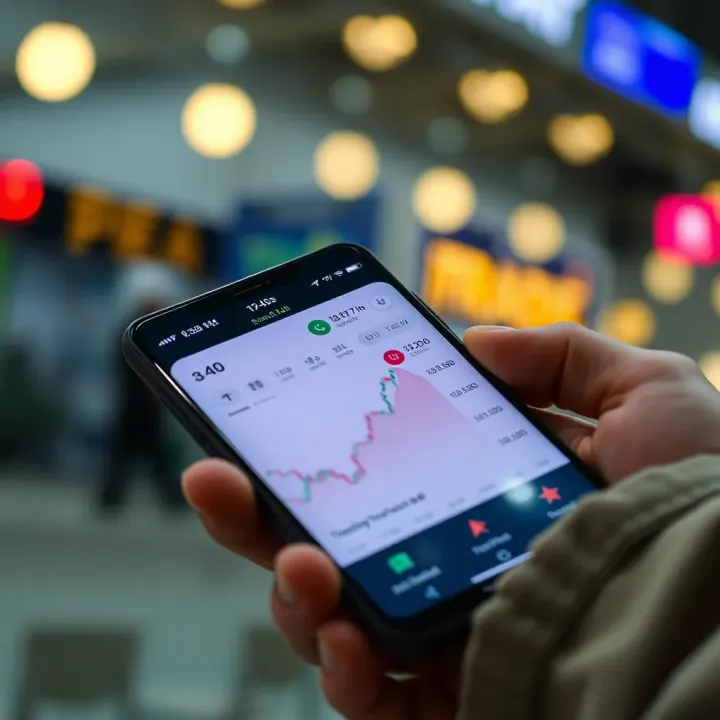
Discover top trading apps in Pakistan that let you start with zero investment! 📱 Learn features, risks & tips for beginners to trade smartly and safely. 💼
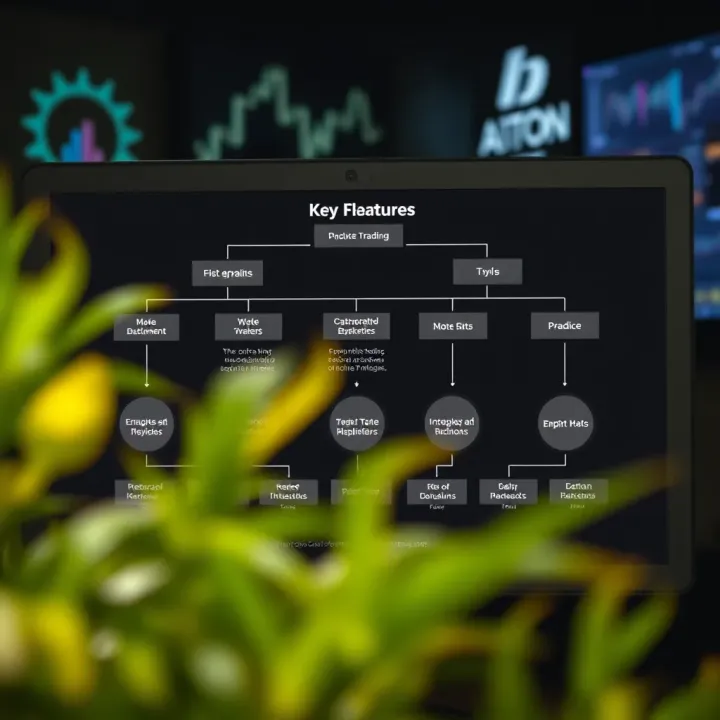
📱 Discover beginner-friendly trading apps in Pakistan that let you practice without real investment. Learn features, tips & start trading confidently today!
Based on 12 reviews