
How to Trade Cryptocurrency in Pakistan: A Practical Guide
💰 Learn how to trade cryptocurrency in Pakistan! Discover key trading methods, top platforms, market tips, regulations, and security essentials for safe crypto deals.
Edited By
Charlotte Hughes
Forex trading has rapidly grown in Pakistan as more traders look beyond local stocks to earn from currency fluctuations. Yet, entering this market requires understanding basics, legal considerations, and practical strategies. This section sets the stage by explaining what forex trading involves and why it appeals to Pakistani investors.
Forex, short for foreign exchange, is the global market where currencies are bought and sold. Traders profit from changes in exchange rates, such as between the US dollar (USD) and Pakistani rupee (PKR).
Unlike stock markets, forex operates 24 hours, five days a week. This gives traders flexibility but demands disciplined timing and risk control. Prices depend on global events, interest rate shifts by central banks, and economic data releases.
In Pakistan, forex trading is gaining traction partly due to easy internet access and Pakistani brokers offering local accounts. Still, understanding legal boundaries is crucial. The State Bank of Pakistan (SBP) regulates forex dealings to prevent money laundering and currency manipulation. Trading offshore without declared forex accounts can lead to penalties.
To get started:
Learn key terms like lots, pip, spread, and leverage.
Choose a broker registered with Pakistan’s Securities and Exchange Commission (SECP) or approved international brokers with transparent practices.
Start with demo accounts to practise trades without risk.
Decide your trading style: day trading, swing, or long-term trend following.
Forex trading can be rewarding but it involves risks that you must manage carefully. Educate yourself and stay updated on both global and Pakistani economic developments.
This article will guide you through selecting brokers, legal tips, trading strategies, and risk management suited to Pakistan's specific environment. Whether you are a student, finance professional, or an experienced trader, this practical guide helps you build skills and confidence for forex trading success in Pakistan.
Grasping the basics of forex trading is essential for anyone looking to step into this fast-paced market. It lays the foundation for effective decision-making and helps avoid costly mistakes that many beginners face. For Pakistani traders, understanding what forex involves is the first step in navigating the complexities of currency markets at home and abroad.
Forex trading, or foreign exchange trading, is the act of buying and selling currencies to profit from changes in exchange rates. Unlike stock markets, forex operates as a global, decentralised market where currencies trade 24 hours a day. This continuous operation is due to the overlap of trading sessions across the world's financial centres — from Tokyo to London to New York.
The forex market's sheer size and liquidity make it attractive. With over $6 trillion traded daily according to the Bank for International Settlements, it ranks as the largest financial market worldwide. For Pakistanis, this means access to a global financial system that remains active even during local market holidays or after the Pakistani business day ends.
In forex, currencies trade in pairs, such as USD/PKR or EUR/USD. The first currency is the base currency, and the second is the quote currency. When you buy a currency pair, you buy the base currency and sell the quote currency, expecting the base to appreciate.
Major pairs typically involve the US dollar against other world currencies like the euro (EUR), British pound (GBP), or Japanese yen (JPY). Emerging market currencies like the Pakistani rupee (PKR) are less liquid but still tradable through brokers offering access to exotic pairs. Understanding which currency pairs to trade and their behaviour helps you target opportunities and manage risks specific to the forex market.
The forex market never sleeps. Because trading happens across continents, there is always some market open somewhere. For example, when the London session closes, the New York session opens shortly after. This overlapping of sessions creates periods of higher liquidity and tighter spreads, which traders often prefer.
For a Pakistani trader, this means you can trade forex at convenient times, even late at night or early morning, unlike stock markets bound by local hours. Higher liquidity during overlaps (like London-New York) generally translates to better execution prices and less slippage.
Leverage lets you control a position larger than your actual capital by borrowing funds from the broker. For instance, with 1:100 leverage, Rs 10,000 allows you to trade Rs 1,000,000 worth of currency. This can magnify profits but also increases risk significantly.
Margin is the collateral you must keep with your broker to open or maintain a leveraged position. If market moves go against you, and your margin falls below required levels, you may face a margin call, forcing you to add funds or close positions.
For Pakistani traders, it's critical to use leverage wisely. Excessive leverage can wipe out an account quickly, while moderate use helps make the most of limited capital. Understanding your broker's margin requirements and maintaining discipline with stop-loss orders protects your funds effectively.
Forex trading involves continuous learning and risk management. Starting with solid basics helps you build confidence, avoid scams, and develop strategies suitable for Pakistani market conditions.
Understanding the legal framework is vital for anyone interested in forex trading in Pakistan. Knowing the rules helps traders stay safe from scams, avoid legal trouble, and ensure their funds are protected. Pakistan's financial market operates under specific guidelines designed to regulate forex trading activities and uphold market integrity.
The State Bank of Pakistan (SBP) is the main authority overseeing forex trading within the country. SBP’s guidelines dictate how financial transactions, including foreign exchange trading, should be conducted to prevent illegal money flows and maintain economic stability. For example, SBP requires forex brokers operating in Pakistan to have a proper licence and follow strict money laundering prevention rules. These measures help traders avoid fraudulent brokers and ensure that the trading environment remains fair and transparent.
The Pakistan Telecommunication Authority (PTA) plays a different but related role. Since many traders use telecom-based platforms or mobile apps for forex trading, PTA oversees and regulates the telecom infrastructure supporting these services. This includes licensing mobile network operators and monitoring data traffic to prevent cybercrimes linked to online trading. For instance, PTA's regulations ensure that forex trading apps available on mobile networks do not engage in illegal activities such as unauthorized fund transfers or data breaches.
Avoiding offshore brokers without local licences is crucial for Pakistani traders. These brokers often promise attractive leverage and low fees but operate outside Pakistan’s regulatory reach, making it difficult to enforce any protections if issues arise. In recent years, there have been reports of offshore brokers disappearing with client funds or manipulating trade conditions, leaving traders stranded without recourse. Trading with a broker recognised by SBP or registered with SECP (Securities and Exchange Commission of Pakistan) reduces such risks and adds a layer of accountability.
Protecting against scams and fraud requires vigilance and due diligence. Traders should verify the credentials of any broker before depositing funds — checking licence status, customer reviews, and regulatory warnings published by Pakistani authorities. Scam brokers might use fake websites or bogus testimonials to lure clients. Confirming authority approvals and choosing brokers with robust customer support in Pakistan also help ward off fraud. Setting clear limits on deposits and regularly monitoring account activity further reduces chances of falling victim to deceit.
Staying informed about regulatory updates and choosing authorised brokers can save traders from costly mistakes and unsafe forex trading experiences in Pakistan.
By following these legal guidelines and recognising the risks, you can trade forex more confidently and securely within Pakistan's framework.
Picking the right forex broker matters a lot for anyone trading from Pakistan. A solid broker helps you trade smoothly while providing security for your funds and fair trading conditions. For Pakistani traders, brokers don’t just need to offer competitive spreads or user-friendly platforms — they must also align well with local regulations and payment methods.
Choosing a broker licensed either in Pakistan or recognised by respected international authorities is key. Local licensing ensures the broker complies with Pakistan’s financial laws and keeps your interests protected. For example, brokers authorised by the Securities and Exchange Commission of Pakistan (SECP) or recognised globally by bodies like the Financial Conduct Authority (FCA) provide greater confidence. Brokers without proper licences, especially offshore ones, can carry higher risk of scams or unfair practices.
The trading platform is your primary tool, so pick brokers whose platforms are stable, responsive, and easy to navigate. Platforms like MetaTrader 4 or 5, cTrader, or proprietary apps with clear charts, quick order execution, and live market data suit Pakistani traders well. Since internet speeds in Pakistan can vary, brokers optimised for mobile and low bandwidth help avoid frustrating lags. Customisable tools and educational resources add useful value.
A big practical factor is how easily you can fund and withdraw from your trading account. Look for brokers accepting popular local methods like bank transfers from Pakistani banks, JazzCash, or Easypaisa wallets. Payment gateways that handle PKR without hefty conversion fees matter too. Some brokers offer options to deposit in USD but pay out in PKR, which helps save on currency conversion overheads. Fast and hassle-free withdrawal processes prevent locking up your funds.
Brokers with customer support available in Urdu or English 24/7 can save you headaches. For instance, many Pakistani traders prefer brokers like FXTM, IG Markets, or AvaTrade, which support local languages and offer Pakistan-specific guidance. Support teams familiar with common Pakistani concerns like CNIC verification or local payment methods help resolve issues quickly.
Different brokers provide multiple account types suited to beginners or advanced traders. Small minimum deposits of around $100 or its PKR equivalent let new traders start comfortably. Some brokers offer Islamic accounts compliant with Shariah rules, important for many Pakistani Muslim traders. Also, flexible account tiers with varying leverage and spread options allow you to pick what fits your risk appetite and trading style.
Choosing the right broker tailored to Pakistan’s legal and practical setup streamlines your trading and reduces surprises related to fund transfers, platform glitches, or regulatory risks. Always check reviews and confirm licence status before committing.
Setting up your forex trading account is a crucial step that connects you to the global currency markets. Without a properly configured account, you can't start trading or take advantage of market opportunities. For Pakistanis, this process involves specific local requirements that ensure compliance with regulatory standards and smooth transaction flows.
When opening a forex trading account in Pakistan, you'll need to provide your Computerised National Identity Card (CNIC) alongside proof of your residential address. The CNIC confirms your identity officially, while the proof of residence—like a utility bill or bank statement—validates where you live. This step is necessary to comply with local laws and to prevent fraudulent activities.
Brokers rely on these documents for Know Your Customer (KYC) checks mandated by regulatory bodies such as the State Bank of Pakistan (SBP). For example, if your CNIC shows your address in Karachi, your proof of residence must also reflect that location. This keeps the process transparent and helps avoid account freezing or delays in fund withdrawals.
Linking your trading account to a Pakistani bank is another essential step. Most brokers require you to connect the trading account with a local bank account for funding and withdrawals. This step not only simplifies transactions but also ensures compliance with money laundering rules.
Consider you have an account with MCB or Habib Bank Limited. By providing your bank details during account setup, you make it easier to fund your forex trades using bank transfers or payment apps. Without this linking, deposits may take longer to process or might attract additional scrutiny due to cross-border transfer regulations.
Pakistani traders often prefer local mobile wallets like JazzCash and Easypaisa because they provide quick, low-cost methods to fund forex accounts. These platforms let you transfer funds seamlessly from your mobile number to your broker’s account.
Alternatively, bank transfers remain a popular method for funding, especially for larger amounts where limits of mobile wallets can become restrictive. Banks like UBL, Allied Bank, or Meezan Bank offer online transfer services that connect directly to forex brokers supporting Pakistani customers.
When funding forex accounts in Pakistan, managing currency conversion fees is vital. Since most brokers operate in US dollars, converting Pakistani Rupees (Rs) to dollars incurs conversion charges, which can chip away at your trading capital.
For instance, if you fund using a bank transfer, your bank may add a conversion fee plus exchange rate margins. Mobile wallets might offer slightly better rates but usually for smaller amounts. One trick is to check rates on multiple platforms and fund during favourable exchange rate windows, helping you save on unnecessary costs.
Always review your payment method's fee structure and currency rates carefully. A small difference in conversion costs can significantly impact your profitability, especially when you trade with tight margins or use leverage.
Properly setting up and funding your forex trading account with attention to local nuances ensures that you avoid delays, fees, and compliance issues. It sets a strong foundation for your trading journey in Pakistan's forex market.
Crafting solid trading strategies and understanding risk management are essential parts of forex trading in Pakistan. They help you maintain control over your trades and protect your capital from unexpected market moves. Without a clear plan, trading can quickly turn into guesswork, leading to heavy losses. These techniques improve your chances of making consistent profits rather than relying on luck.
Technical analysis involves studying charts and price patterns to predict future currency movements. Pakistani traders often look at historical price data, support and resistance levels, moving averages, and indicators like RSI or MACD. For example, spotting a strong support level on the USD/PKR chart may signal a good buying opportunity. It’s a practical tool for traders who prefer analysing past trends instead of guessing the news impact.
Technical analysis works best in markets with strong liquidity and clear trends, which makes pairs like USD/EUR or GBP/USD popular alongside the PKR pair. Using charts with multiple time frames—like daily and 1-hour—helps spot both short-term and long-term trends. This approach fits well with the busy schedule of many Pakistani traders who can’t watch the market constantly.
Fundamental analysis studies economic data and news affecting currency values. For Pakistani traders, paying attention to major economic reports from the US, China, or the European Union matters because these influence global forex markets. For instance, a sudden hike in US interest rates often strengthens the dollar affecting PKR trades.
Locally, factors like the State Bank of Pakistan’s policy announcements, inflation reports, or current account updates can move the PKR pair significantly. Keeping a trading calendar ready for important events helps traders prepare for volatility and avoid surprises. Combining fundamentals with technical signals can give a more balanced view.
Protecting your investment with smart risk controls is just as crucial as your trading method.
A stop-loss order automatically closes your trade when a currency moves against you by a specified amount. This prevents emotional decisions under pressure and limits potential losses. For example, if you buy EUR/USD at 1.1000, placing a stop-loss at 1.0950 caps your loss at 50 pips.
Stop-loss orders are especially useful for Pakistani traders dealing with the inherent volatility of forex, where markets may move fast during major news or geopolitical developments. Using them consistently ensures you only risk what you can afford to lose.
Managing the size of your trades relative to your account balance is key. Taking very large positions might lead to quick profits but also quick losses. New traders should start with smaller lot sizes and avoid using excessive leverage.
Leverage allows you to control a large position with a smaller deposit but amplifies both gains and losses. For instance, 1:50 leverage means Rs 1 lakh can control Rs 50 lakh worth of currency, but even a 2% move against you wipes out your capital. Pakistani regulators and brokers often recommend modest leverage levels to safeguard traders, and you should follow that to avoid margin calls or account wipeout.
Balancing these risk techniques with your strategy builds discipline and helps you stay in the market longer, increasing your chances to earn over time.
💰 Learn how to trade cryptocurrency in Pakistan! Discover key trading methods, top platforms, market tips, regulations, and security essentials for safe crypto deals.
Discover top forex trading apps for Pakistani traders 🇵🇰, covering features, security, costs, and local rules to find your perfect trading match 📱💹
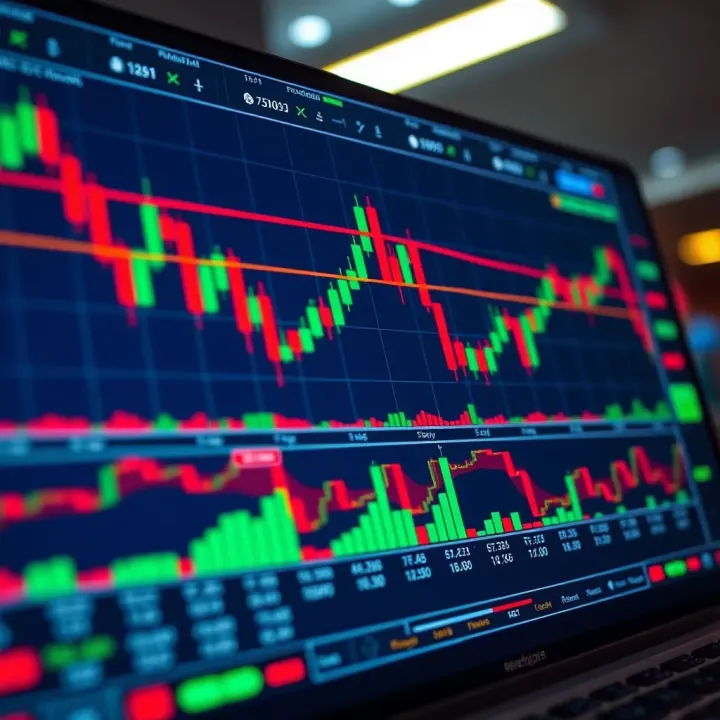
Choosing the best forex broker in Pakistan? Discover tips on regulation, platforms, fees, and broker types to trade smartly! 💹📊🇵🇰
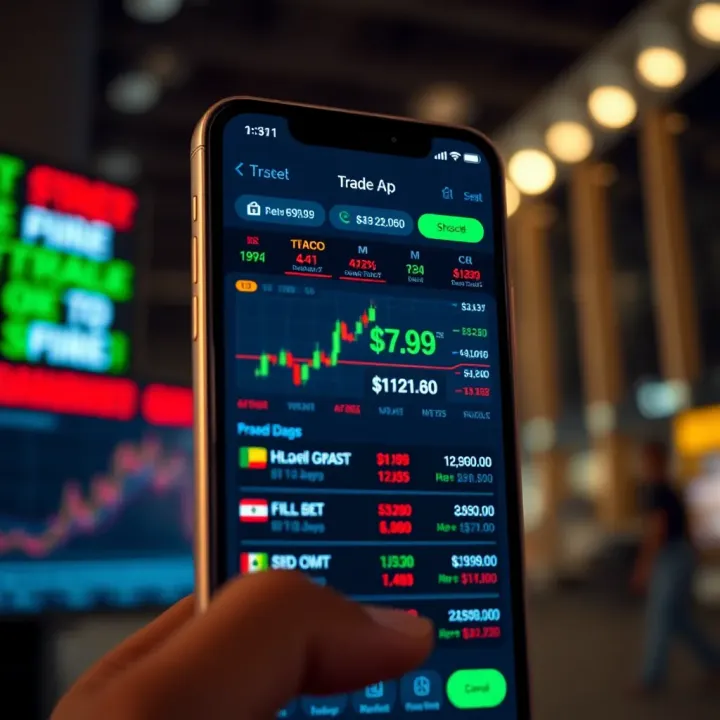
📱 Explore trade apps for Pakistani traders with tips on features, security, and practical use to boost your trading confidence and success in digital markets.
Based on 8 reviews