
Asian Forex Trading Hours Explained for Pakistan
Discover Asian forex session timing ⏰ from Pakistan 🇵🇰 perspective. Learn key hours, market impact, and smart tips for trading success 📈.
Edited By
Emily Foster
Gold trading in Pakistan operates within specific hours influenced by local market customs and global financial cycles. Understanding these trading hours is crucial for investors and traders who want to make informed decisions and take advantage of market movements effectively.
The primary gold market hubs in Pakistan are Karachi and Lahore, where transactions typically follow local business hours. Trading usually starts in the morning around 9:00 am and lasts until 5:00 pm Pakistan Standard Time (PST). However, these timings can shift slightly during religious or national holidays, so staying updated with market notices is helpful.
Besides local hours, the gold price in Pakistan is affected by international market trading, especially the major centres in London and New York. The London bullion market opens at 8:00 am GMT, which corresponds to around 1:00 pm PST, extending the active price discovery phase beyond local trading hours. This global overlap can cause price fluctuations within the Pakistani market hours itself.
To time your trades well, keep an eye on both local session calendars and key global market schedules—this alignment often drives the price action.
Price volatility tends to increase during the overlap of London and New York market hours, as traders digest news, currency exchange movements, and geopolitical developments. In contrast, the local market's opening hour generally sees moderate price movement as it opens to fresh demand from retail buyers and jewellers.
Here’s a short summary of the gold trading hours affecting Pakistan:
Local trading hours: 9:00 am – 5:00 pm PST
London market hours: 1:00 pm – 10:00 pm PST
New York market hours: 6:00 pm – 3:00 am PST (next day)
Familiarising yourself with these timeframes can help manage risk and optimise buying or selling timings. For example, sharp price changes in London often ripple into Karachi’s afternoon sessions, offering opportunities or warnings.
Ultimately, knowing gold market trading hours in Pakistan helps traders and investors align their strategies with real-time price movements, avoiding surprises and improving their entry or exit points in a market known for daily swings.
Gold has been a significant part of Pakistan's economy, culture, and investment landscape for decades. Understanding its trading environment is key for investors and traders looking to navigate this sector effectively. This section highlights why gold matters locally and identifies the main contributors shaping the gold market.
Gold holds a unique status in Pakistan both as a physical asset and a financial instrument. It acts as a traditional store of value for families, especially during uncertain economic times when inflation erodes currency value. For instance, many households prefer purchasing gold jewellery during festivals like Eid or weddings, seeing it as a form of savings. Beyond personal finance, gold imports significantly impact Pakistan's trade balance and foreign exchange reserves. According to recent trade data, gold imports run into thousands of crores annually, directly influencing the country’s import bills.
From an investment perspective, gold offers a hedge against currency depreciation, making it a popular choice among retailers and traders alike. Its price movements also reflect broader economic shifts, including the strength of the US dollar and global inflation trends, which have a ripple effect on Pakistan's market.
Pakistan’s gold market features several key participants who influence trading volume and price formation. The primary players include:
Local Jewellers: Karachi and Lahore host some of the largest jewellers who buy and sell gold daily. These centres often set local gold rates based on international prices plus import duties.
Gold Importers and Traders: Registered importers bring in gold bars and coins, supplying the domestic market. These traders monitor global trends closely to time their purchases and sales.
Bullion Dealers and Auction Houses: Markets like Karachi’s Zaibunnisa Street are known for wholesale gold trade where bulk transactions occur.
Financial Institutions: Banks in Pakistan also facilitate gold-related transactions like gold loans and investments in gold savings schemes.
Regulatory Authorities: Special mention to Pakistan Customs and State Bank of Pakistan, which monitor gold imports and regulate trade practices.
Local market players coordinate closely with global gold price trends, ensuring that trading remains competitive and aligned with international standards.
Knowing these players helps investors understand where liquidity resides and how market dynamics shift daily. This further aids in planning entry or exit strategies tailored to market hours and price movements.
Having a clear grasp of these facets gives you, the trader or investor, a solid foundation to approach Pakistan's gold trading environment with confidence and precision.
Understanding the operating hours of the gold market in Pakistan is essential for traders, investors, and finance professionals who want to time their transactions effectively. Knowing when the market is open allows you to anticipate price movements, react to global events, and plan your trades without missing valuable opportunities.
Gold trading in Pakistan generally follows a fairly consistent weekday schedule, primarily aligned with the working hours of major gold markets in Karachi and Lahore. Typically, gold trading opens around 10:00 am and closes by 5:00 pm, Monday through Friday. This window allows market participants to engage in buying and selling bullion, coins, and jewellery with active price quotations.
For example, jewelers in Karachi’s Empress Market or Lahore’s Shah Alam Market operate within these hours, and this timing coincides with the broader commodity market activities in the country. This means that real-time prices are available during these hours, influenced by factors such as international gold rates, currency fluctuations, and local demand.
It’s worth noting that the start of the trading day often sees greater price volatility due to overnight developments in international markets, while the close can be slower as participants finalise their positions before the market shuts.
The gold market in Pakistan remains closed on Saturdays and Sundays, mirroring the typical weekend observed in business sectors across the country. Therefore, no official trading or price quotations are available on these days, which can sometimes lead to pent-up demand once the market reopens on Monday.
Public holidays declared by the government or local authorities also result in gold market closures. For instance, if Eid or Independence Day falls on a weekday, gold trading activity pauses accordingly. Traders need to monitor the holiday calendars closely to avoid missing windows for buying or selling.
Since gold is a globally traded commodity, weekend closures in Pakistan mean that international price movements during those days do not reflect immediately in the local market. This lag can create differences in prices when trading resumes.
In summary, understanding these operating hours helps you align your trades with market availability, avoid surprises and execute strategies effectively. Whether you are timing SIPs (Systematic Investment Plans) or spot purchases, having clarity about when the gold market opens and closes in Pakistan is a practical step towards better investment decisions.
Understanding how Pakistan’s gold market hours align with global trading sessions is vital for anyone involved in gold trading or investment. The Pakistani gold market operates within specific local timings, but gold itself is a globally traded commodity. Knowing when major international markets open and close helps traders anticipate price movements, manage risks, and optimise entry and exit points.
The Dubai Gold and Jewellery Group manages one of the region’s most significant gold markets. Dubai’s market typically opens from 10:00 am to 6:00 pm Gulf Standard Time (GST). Given Dubai is just 1 hour ahead of Pakistan Standard Time (PST), Pakistani traders find it convenient to sync their schedules with Dubai’s trading hours. For example, during Pakistan’s late morning hours, the Dubai market is actively trading, allowing Pakistani investors to gauge Middle Eastern market sentiments early in the day.
This overlap is crucial since Dubai acts as a major hub for physical gold trading and jewellery manufacturing. Price shifts in Dubai often set the tone for Pakistan’s local pricing, especially since many gold imports come through Dubai. Hence, Pakistani traders need to be alert during these hours to respond swiftly to regional price changes.
The London Bullion Market Association (LBMA) operates during 8:00 am to 5:00 pm GMT. That translates roughly to 1:00 pm to 10:00 pm in Pakistan. This means the Pakistani gold market’s afternoon and evening hours overlap with London’s active trading period. London remains a global benchmark for gold prices, often influencing valuation worldwide.
When the London market is active, global price sentiments emerge based on economic news, central bank announcements, or geopolitical developments. Pakistani traders following these trends during their afternoon trading sessions can adjust their strategies accordingly to either hedge risks or seize opportunities.
The New York Mercantile Exchange (NYMEX), another key player in gold futures trading, runs from 8:20 am to 1:30 pm Eastern Time, roughly 6:50 pm to 11:00 pm in Pakistan. This means New York’s trading starts well after Pakistan’s typical gold market hours but extends into Pakistani evening hours.
While direct overlap during Pakistan’s standard trading hours is limited, Pakistan-based investors keeping an eye on New York’s price trends in the evening can prepare for next-day movements. Global financial events occurring during New York hours often trigger price adjustments seen in subsequent Pakistan market sessions.
Global gold market shifts can cause ripple effects that influence Pakistan's local trading hours through price volatility and adjusting liquidity. Sudden economic announcements or geopolitical tensions during London or New York sessions can lead to reactive trading in Pakistan once their markets open the next day. For example, if the US Federal Reserve hints at raising interest rates during New York hours, Pakistani gold traders may see increased demand for gold as a safe asset at the opening of local markets.
Traders and investors in Pakistan need to factor in the timing of international gold markets because local gold prices often follow the global cues with little delay.
Moreover, global market shifts might also prompt Pakistani exchanges to adjust their trading sessions slightly during extreme situations, such as global crises or major price disruptions. Thus, continuous monitoring of global gold market hours enhances decision-making and timing strategies in Pakistan’s gold market.
Intraday movements in gold prices reflect the market's immediate reaction to various factors, including trading hours, economic reports, and unexpected events. For traders and investors, understanding these factors helps in anticipating price swings and making timely decisions. In Pakistan, where gold trading follows specific market timings, price fluctuations during the day often mirror global trends alongside local conditions.
The opening and closing of gold markets in Pakistan tend to bring heightened volatility. At market open, traders react to overnight developments in global markets, adjusting positions based on news from London or New York. For example, if gold prices surged overnight due to geopolitical tensions, the Karachi market typically witnesses sharp price moves soon after it opens at 9 am. Similarly, as the market closes around 5 pm, last-minute trades can cause rapid price changes as traders settle their positions.
This intraday price volatility near open and close times provides trading opportunities but also carries risks. Traders should monitor volumes and spreads during these periods carefully. Low liquidity outside these hours might result in wild price swings, making timing essential. For instance, if a local gold market operates on a shorter schedule during a festival, price volatility may intensify around those limited trading hours.
Gold prices are sensitive to economic data releases and political developments, especially when such events occur during active trading hours. In Pakistan, announcements such as changes in import duties on gold, economic growth figures, or political crises can lead to swift price reactions within the same trading session. For example, unexpected statements by the State Bank of Pakistan on currency devaluation may affect gold’s appeal as a safe haven, creating immediate shifts in price.
Political instability or policy uncertainty often triggers increased demand for gold, as investors seek to protect value amid risk. This demand surge reflects in sharp upward price moves during the trading day. Similarly, international events like US Federal Reserve interest rate decisions or major geopolitical conflicts can influence Pakistani gold prices, given the strong link to global markets.
Active monitoring of news and scheduled economic events during gold trading hours helps investors navigate intraday price swings effectively.
In summary, gold price movements within Pakistan’s trading hours depend chiefly on timing-related volatility and event-driven shocks. Traders and investors who keep a close eye on the market open/close dynamics and stay updated on economic or political developments during trading sessions stand a better chance to respond proactively and optimise their strategies.
Pakistan's gold market is primarily concentrated in a few key cities where trading activity is most intense. These centres not only shape the daily gold price but also influence liquidity and market responsiveness during trading hours. Understanding their role helps investors and traders anticipate local market behaviour better.
Karachi stands out as the largest hub for gold trading in Pakistan. It handles a significant portion of gold imports and transactions, thanks to its status as the country's commercial capital. The Karachi Wholesale Gold Market, located in the Kemari area, operates primarily during standard market hours from 9 am to 5 pm, Monday through Friday. Traders here actively monitor both domestic demand and international indicators like the London Bullion Market and COMEX prices.
The local market in Karachi also witnesses brisk business in gold jewellery and bullion coins. The Exchange Rates, import duties, and currency fluctuations affecting the rupee-dollar value directly impact gold prices here during operating hours. This centre's timing aligns closely with domestic banking hours, making payments and settlements smoother.
Lahore is another important gold trading centre, widely known for its sizeable wholesale and retail markets. Compared to Karachi, it involves more small and medium-scale traders dealing in ornamental gold and jewellery trading in addition to bullion. Market activity in Lahore typically overlaps with Karachi but can start slightly earlier around 8:30 am to accommodate local business patterns.
Apart from Karachi and Lahore, cities like Islamabad, Faisalabad, and Hyderabad contribute to gold trade, mostly on a smaller scale. These centres trade during normal business hours but show noticeable dips during local holidays or festival periods such as Eid or Diwali, which influence buying behaviour.
Being aware of trading hours and key centres in Pakistan helps investors time their trades better and anticipate price swings based on regional demand changes.
Overall, these major gold markets help set the tone for the entire nation's gold trading activity. Keeping an eye on the operational hours and trading volumes in these centres offers a practical edge, whether you're monitoring price trends for investments or managing business inventory.
Discover Asian forex session timing ⏰ from Pakistan 🇵🇰 perspective. Learn key hours, market impact, and smart tips for trading success 📈.
Learn how to read and use XAUUSD signals 📈 for smarter gold trading decisions 💰 in Pakistan. Get real tips and tools to boost your trading success!
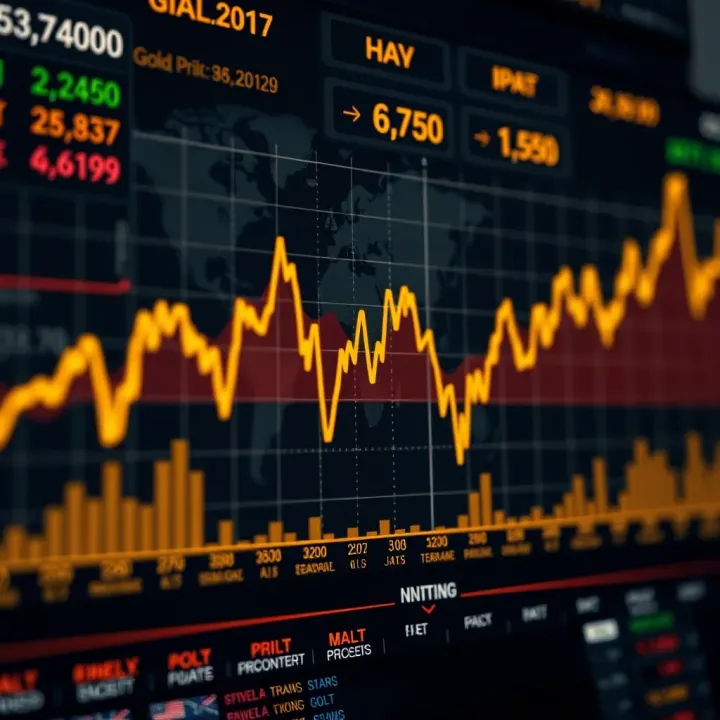
📊 Stay ahead in Pakistan's gold market with today's price analysis, economic insight, and expert trading tips to make confident investment choices.

📈 Get today’s gold price prediction in Pakistan with expert market insights. Learn how local & global trends impact your investment decisions. 💰
Based on 6 reviews