

Understanding the XHMaster Indicator for MT5
📈 Learn how the XHMaster Formula Indicator for MT5 helps traders spot market trends, with tips on setup, settings, and boosting your trading strategy.
Edited By
William Foster
GE Vernova has quickly become a major force in the global energy sector, focusing on sustainable and efficient power generation technologies. The company emerged as a strategic business formation concentrating on advancing energy solutions using both traditional and renewable sources. For traders and investors tracking energy markets, understanding GE Vernova's capabilities and projects provides useful insight into emerging trends and future opportunities.
Established from a legacy of decades-long involvement in power generation, GE Vernova combines expertise in gas turbines, steam power, renewables, and energy storage. This portfolio supports the increasing demand for cleaner energy without compromising reliability or scale.

GE Vernova represents a clear shift in addressing energy challenges with a balanced mix of innovation and practical delivery, a factor that resonates strongly within Pakistan's evolving energy landscape.
Their core technologies include advanced gas turbine systems providing flexible, low-emission power options. They also deploy wind and solar solutions tailored to regional resource availability. These innovations integrate digital intelligence to optimise operations and maintenance, reducing costs and enhancing asset life.
In Pakistan, where loadshedding and energy shortages remain concerns, GE Vernova's projects align well with national priorities. The company has been involved in key power plants employing efficient combined-cycle gas turbines, improving supply stability. Renewable energy projects add to Pakistan’s ambitious goals of increasing clean energy capacity.
For finance professionals, understanding how GE Vernova manages risk through technological diversity and digital transformation helps assess the company's long-term potential. Their approach blends steady returns from conventional power with growth prospects in renewables and energy storage markets.
In summary, GE Vernova stands as a dynamic player enabling the transition from fossil fuels to greener alternatives, while maintaining energy security. This comprehensive strategy positions the company as a leading innovator and partner in both global and Pakistani contexts within the energy sector.
Understanding the background and formation of GE Vernova is vital to grasp how the company positions itself in the evolving energy sector. Its roots lie deep within General Electric's vast energy legacy, which spans more than a century, giving GE Vernova a foundation built on historic strengths and technological expertise. This background shapes its approach towards innovation and sustainability in today's energy challenges.
General Electric (GE) has been a major force in the global energy market since the early 20th century, developing technologies ranging from steam turbines to advanced gas turbines used in power plants worldwide. In Pakistan, GE’s equipment is widely used in thermal power projects contributing significantly to the national grid, making its legacy highly relevant. Over the decades, GE’s energy division expanded into renewables and digital solutions to meet contemporary demands.
The formation of GE Vernova as a separate entity marked a strategic shift. This move allowed for focused investment and development in the energy sector, separating energy from GE’s broader industrial businesses. The rationale was to streamline operations, improve agility in a competitive market, and intensify efforts on sustainable energy solutions. It also enabled clearer engagement with governments and private players, including those in countries like Pakistan, where renewable energy infrastructure is growing rapidly.
GE Vernova aims primarily to lead in clean energy innovation, targeting reduced emissions and enhanced efficiency in its offerings. It focuses on integrating conventional energy with renewables, blending old and new technologies to support a smoother energy transition. For investors and traders, these goals suggest potential growth aligned with global climate goals, especially as countries adopt more ambitious energy policies.
Market positioning for GE Vernova includes a strong emphasis on Asia, Africa, and emerging markets like Pakistan. These regions face growing energy demand alongside pressures to reduce carbon footprints. By concentrating on digital energy management and hybrid power solutions, GE Vernova taps into these markets’ needs. This focus also means partnerships with local utilities, policy collaborations, and technology localisation, which improve its presence and relevance in Pakistan’s expanding and diversifying energy sector.
GE Vernova’s creation reflects a shift towards specialised and sustainable energy solutions, making it a key player for markets prioritising clean power and technological innovation.
For example, GE Vernova’s engagement with Pakistan’s energy sector includes advanced gas turbine sets for thermal plants and wind power projects in Sindh, showcasing its dual focus. This combination of history, strategic realignment, and market targeting offers investors and professionals insight into how GE Vernova plans to influence the future of energy.
Legacy rooted in GE’s century-old energy expertise
Spin-off allows for agile, tailored energy innovation
Focus on clean energy and digital solutions
Target markets include Pakistan, with its rising renewable goals
In sum, the background and formation of GE Vernova provide context to its current role as an energy innovator, blending established technology with new solutions tailored to meet future energy demands in Pakistan and beyond.
GE Vernova combines traditional and modern energy technologies to deliver diverse, adaptable solutions. Their core offerings balance reliability and sustainability, which is essential for markets like Pakistan grappling with energy shortages and environmental concerns. This section explores their key technologies and how digital innovation enhances energy management.
Gas turbines and steam turbines form the backbone of GE Vernova’s conventional power solutions. These turbines are crucial in thermal power plants, converting fuel energy into electricity efficiently. For instance, in Pakistan, where gas and oil-fired power plants supply a significant share of electricity, GE Vernova’s turbines help improve generation capacity without compromising fuel efficiency. Their latest gas turbines operate at high temperatures, delivering more output per unit of fuel, which lowers operational costs and reduces emissions—a vital step against loadshedding and environmental impact.
Steam turbines play a complementary role, often paired with gas turbines in combined-cycle power plants to tap remaining steam energy. This technology boosts overall plant efficiency, stretching fuel use and reducing waste. For investors and energy professionals, understanding these turbines highlights ongoing opportunities in upgrading ageing plants or adding modular capacity.
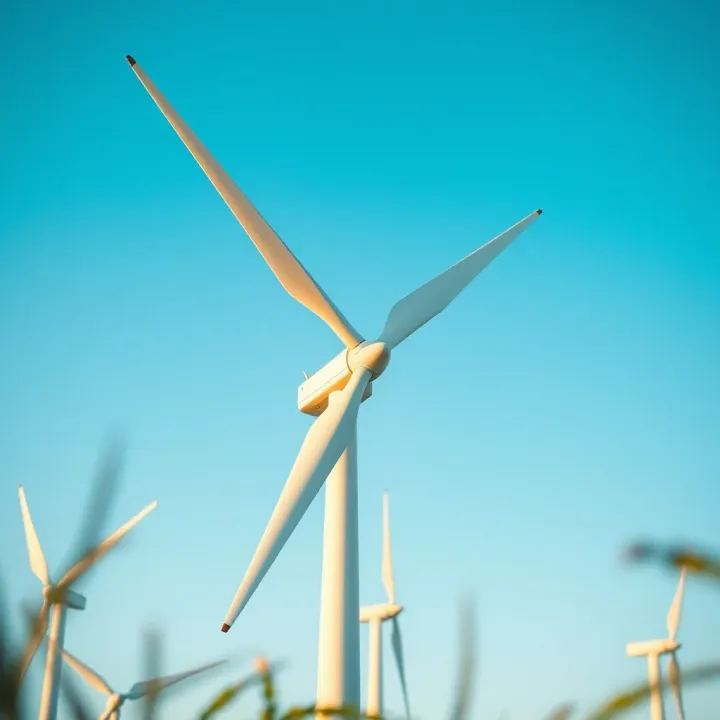
Moving to greener alternatives, GE Vernova’s wind and hydroelectric power solutions show promise for sustainable growth. Pakistan’s wind corridors along the Sindh coast offer ideal sites for modern wind turbines, which GE Vernova supplies with large rotor diameters and advanced blade technology. These turbines capture more wind energy even at low speeds, an advantage for Pakistan’s variable coastal winds.
Hydroelectric systems, meanwhile, provide stable, renewable power using flowing water, especially important where grid stability is a challenge. GE Vernova’s hydro turbines cater to both large-scale dams and small run-of-river projects, enabling Pakistan to harness its river potential more efficiently. These renewable technologies support national energy targets to reduce carbon footprint and diversify power sources.
Industrial IoT applications play an expanding role in GE Vernova’s portfolio. By installing sensors and smart controllers on turbines, generators, and grid components, operators gain real-time visibility into equipment health and performance. This data enables predictive maintenance—fixing problems before outages occur—which is critical for Pakistan’s utilities fighting unplanned power trips and high repair costs.
For example, sensors on a gas turbine can monitor vibration, temperature, and pressure continuously. If any parameter crosses a threshold, maintenance teams receive alerts remotely, minimising downtime and extending asset life. This approach also helps investors evaluate asset reliability and operational risks when planning capital deployment.
Complementing IoT, GE Vernova offers energy analytics and monitoring platforms that aggregate and analyse performance data. These platforms provide actionable insights into energy consumption patterns, plant efficiency, and emissions levels.
In Pakistan’s context, where energy demand fluctuates sharply due to industrial growth and weather conditions, such analytics aid grid operators in balancing supply and demand more effectively. They can simulate scenarios to optimise dispatch or spot inefficiencies. Additionally, energy managers at corporate plants use these tools to track usage and reduce waste, improving cost control.
Effective energy management relies increasingly on data-driven insights. GE Vernova’s digital tools enhance transparency, reduce costs, and support Pakistan’s move towards a cleaner, more reliable energy future.
Together, GE Vernova’s blend of core energy technologies and digital solutions creates a strong foundation for tackling both traditional and emerging challenges in Pakistan’s energy sector.
GE Vernova's involvement in significant energy projects and partnerships demonstrates its practical impact on power generation worldwide and its strategic approach within Pakistan's growing energy market. This section highlights how these projects and collaborations advance energy innovation, sustainability, and economic development.
GE Vernova has strengthened its footprint through constructing and upgrading large-scale power plants that run on both conventional and cleaner fuels. Retrofitting older plants with modern gas turbines and steam turbines enhances efficiency, reduces emissions, and extends operational life, which is vital for emerging economies aiming to meet increasing electricity demand sustainably. For example, refurbishing a coal-fired plant by integrating advanced turbines can increase output by up to 15% while cutting carbon dioxide emissions—a balance of economic and environmental goals.
Building new plants also focuses on high-efficiency combined cycle gas turbines (CCGT), which burn natural gas with lower emissions compared to traditional plants. This technology suits countries transitioning from heavier fuel oils or coal, offering practical reductions in operating costs alongside environmental benefits.
Alongside conventional plants, GE Vernova actively develops wind and hydroelectric power projects across various markets. Their modular wind turbines and hydro solutions help regions with variable resources optimise their renewable energy output. For instance, the installation of offshore wind farms in Europe has showcased how these technologies can complement existing grids and lower reliance on fossil fuels.
These renewable projects contribute significantly to diversifying energy portfolios and improving grid stability through hybrid systems combining wind, hydro, and solar with energy storage technologies. Globally, such integrated setups not only reduce greenhouse gas emissions but also offer more reliable power supply.
GE Vernova collaborates with Pakistan’s utility companies to upgrade infrastructure and manage energy demand more efficiently. These partnerships often involve retrofitting existing power plants with modern turbine technology or deploying smart grid solutions to reduce transmission losses and manage loadshedding more effectively. For utilities facing ageing equipment and increasing consumer demand, these collaborations provide much-needed technical upgrades combined with operational support.
Additionally, GE Vernova’s engagement extends to joint ventures for equipment supply and local manufacturing, which supports Pakistan’s industrial base while reducing dependence on imports. This partnership approach enhances technology transfer and skill development within the country.
Pakistan aims to significantly increase its share of renewable energy in the national grid by 2030 to reduce carbon emissions and mitigate loadshedding. GE Vernova supports this goal by helping install wind farms in Sindh and Balochistan and small hydro projects in Khyber Pakhtunkhwa, aligning with Pakistan’s alternative energy policies.
Besides project deployment, GE Vernova provides advanced digital energy management platforms to monitor renewable output and integrate renewables smoothly with existing power sources. This contribution helps Pakistan move towards a more resilient, cleaner energy system—a critical step given the country's rising demand and challenges with energy access and environmental sustainability.
GE Vernova's global projects and local partnerships together reinforce its role as a provider of practical energy solutions, balancing economic growth with sustainability goals both worldwide and in Pakistan.
Enhancing existing plant efficiency reduces emissions and optimises resource use.
Renewable installations complement national grids for cleaner, stable energy.
Local collaborations build capacity and support Pakistan’s energy targets.
These projects exemplify how technology and cooperation can meet the pressing energy challenges facing Pakistan and similar markets globally.
GE Vernova’s impact on energy sustainability and climate goals is a key part of its role in modern power generation. The company actively develops technologies and strategies that reduce carbon emissions and support cleaner energy sources, which aligns with global efforts to slow climate change. This focus has practical benefits, such as lowering air pollution and helping countries meet their environmental commitments.
Technologies enabling lower emissions play a central role in GE Vernova’s approach. Their advanced gas turbines incorporate efficient combustion systems that significantly cut nitrogen oxide and carbon dioxide emissions compared to older models. For instance, their HA-class gas turbines are known for high efficiency and lower fuel consumption, helping power plants run cleaner.
Besides turbines, GE Vernova uses carbon capture and storage (CCS) technology in some projects. In Pakistan’s context, integrating CCS with existing thermal power plants could reduce the environmental impact of coal or gas-based generation, contributing to cleaner city air and meeting international standards.
Focus on cleaner fuel options complements these technologies by promoting the use of natural gas and hydrogen blends. Hydrogen, in particular, is gaining traction globally as a low-carbon fuel. GE Vernova is investing in turbines compatible with up to 30% hydrogen, which can be gradually increased later. This transition supports Pakistan’s move towards cleaner fuels, especially with plans to expand LNG imports and potentially adopt green hydrogen produced from renewables.
Switching fuels also aids in reducing sulphur dioxide and particulate matter emissions, improving public health outcomes near power plants. Combining cleaner fuels with efficient turbine technology creates a practical pathway toward lower emissions without immediate wholesale replacement of infrastructure.
Alignment with Paris Agreement targets is a priority for GE Vernova. The company designs its solutions to help governments and corporations meet their nationally determined contributions (NDCs) under the Paris Agreement. Their energy systems aim for lower greenhouse gas emissions while maintaining reliability and affordability, which are essential in emerging markets like Pakistan.
For example, GE Vernova supports Pakistan’s climate commitments by offering renewable energy integration and modernising legacy power plants. Transitioning to renewables with support from companies like GE reduces the country’s carbon intensity and demonstrates tangible progress towards global climate goals.
Collaboration with policymakers and industry leaders amplifies this impact. GE Vernova actively engages with regulators, utilities, and the private sector to design policies and projects that facilitate cleaner energy transitions. In Pakistan, their partnerships with local utilities and financial institutions help align technical solutions with policy incentives and investment frameworks.
This cooperation also addresses challenges such as regulatory hurdles or grid integration issues. By working together, stakeholders can create a supportive ecosystem for sustainable energy, combining technological innovation with practical policymaking.
GE Vernova’s approach embodies a balance between innovation and real-world application — lowering emissions, fostering cleaner fuel use, and aligning with climate targets through strong partnerships. This makes it a significant player in shaping Pakistan’s and global energy futures.
GE Vernova’s future outlook is vital to understanding how the company will continue shaping energy innovation, particularly in markets like Pakistan and wider Asia where energy demand is rising swiftly. Investors and stakeholders should note that the company’s potential growth depends largely on its ability to tap into these emerging markets and address the technical and regulatory challenges that come with a global shift towards sustainable energy systems.
Asia's growing economies create a substantial need for reliable and clean energy. Pakistan, for example, is increasingly focused on reducing load-shedding and expanding renewable capacity under its National Electric Power Regulatory Authority (NEPRA) policies. GE Vernova’s technology, including gas turbines and wind solutions, fits well with these needs. The government’s push for solar and wind projects offers practical avenues where GE Vernova can expand its footprint, supporting Pakistan’s target to increase renewables to 30% of the energy mix by 2030.
With renewables’ intermittent nature, energy storage and smart grid technologies are gaining importance. Pakistan’s grid infrastructure often faces challenges in handling fluctuating supply, making GE Vernova’s advanced grid solutions particularly relevant. By deploying large-scale battery storage systems and digital energy management platforms, the company can help improve grid stability and reduce outages. This expansion also creates new revenue streams as demand for modern energy storage grows globally, especially in developing regions.
Many power plants in Pakistan and Asia still rely on old fossil fuel-based infrastructure. Transitioning requires careful integration of renewable sources without disrupting current supply reliability. GE Vernova faces the challenge of upgrading existing systems while introducing cleaner technologies, such as hybrid gas-renewable setups. Practical examples include retrofitting older turbines in Pakistan’s thermal stations with more efficient models while complementing them with wind or solar farms nearby.
The energy sector is fiercely competitive, with local and international firms competing for contracts in Pakistan and other Asian markets. Besides pricing pressure, regulatory uncertainties can delay project approvals or complicate compliance. For instance, fluctuating policies on tariffs for renewable energy can impact project viability. GE Vernova must navigate these complexities skillfully, collaborating with policymakers to align its innovations with government goals and secure long-term contracts.
The future of energy in Pakistan and Asia depends not only on technology but also on bridging the gap between existing infrastructure and emerging solutions, where GE Vernova aims to play a key role.
In summary, GE Vernova’s future lies in capitalising on emerging markets and driving energy transition while managing the realities of legacy assets and regulatory frameworks. This balance is crucial for investors tracking growth opportunities in the evolving global energy sector.
📈 Learn how the XHMaster Formula Indicator for MT5 helps traders spot market trends, with tips on setup, settings, and boosting your trading strategy.

Explore 4x trading in Pakistan 🇵🇰 with this guide: learn key players, strategies, risks, regulations, and hands-on tips for safe forex investing 💹

Explore key factors behind 1000 Sats price 📈, including market trends and expert views, to understand its potential impact on Pakistan investors 🇵🇰.

📈 Learn how to read and use XAUUSD signals for gold trading today. Discover sources, strategies, and risk tips to trade smarter in Pakistan's market.
Based on 13 reviews