
Best Trading Apps for Beginners in Pakistan
📱 New to trading in Pakistan? Discover the best beginner-friendly trading apps with key features, security tips, and easy guides to start trading smarter today!
Edited By
Edward Bennett
If you're just getting your feet wet in trading and hail from Pakistan, finding the right starting point can feel like searching for a needle in a haystack. Trading isn’t just about buying stocks or currencies; it’s a skill that demands understanding the markets, strategies, and risks involved. Luckily, there’s a wealth of free courses out there designed to help beginners dive in without emptying their pockets.
This guide will walk you through the best free trading courses tailored for Pakistani beginners, explain what makes a course worth your time, and offer practical tips to apply what you learn from these resources. Whether you want to trade stocks, forex, or cryptocurrencies, the key is getting solid foundational knowledge first. Without splurging on expensive classes, you can still build your confidence and skills right from your laptop or phone.
Starting with free, credible resources can save you from costly mistakes and give you a clearer understanding of market rhythms before you exchange any real money.
We’ll cover various platforms offering these courses, the basics every beginner should grasp, and how to tell if a course really delivers value. You'll also see examples of Pakistani traders who started small but built up their skills by making the most of zero-cost educational materials. By the end of this guide, you should have a clear path forward to begin or sharpen your trading journey without any financial risk.
Let’s get cracking and turn the complex world of trading into something more manageable and approachable for you.
Getting a solid grip on the basics of trading is the first step for anyone looking to dive into markets, especially beginners in Pakistan. Knowing what trading really means and familiarizing yourself with its core components not only prepares you for the learning curve ahead but also helps dodge costly mistakes. Think of it like learning to drive; before you hit the road, you must understand the controls and rules.
At its core, trading involves buying and selling financial assets like stocks, currencies, or commodities with the aim of making a profit. There are several types of trading to be aware of:
Day Trading: Buying and selling assets within the same trading day to capitalize on short-term market moves.
Swing Trading: Holding positions for several days or weeks, taking advantage of market swings.
Position Trading: Longer-term trading based on fundamental analysis, usually holding for months.
Each type demands different skills, time commitments, and risk tolerance. For example, day trading requires quick decisions and close monitoring, while position trading is more laid-back but needs patience.
Many confuse trading with investing, but they are quite different. Investing generally means buying assets to hold over a long term, focusing on the asset’s growth or dividends over years. Trading, on the other hand, targets short-term price movements to earn quicker profits.
For instance, a Pakistani investor might buy shares in a reputable company like Engro Corporation and hold them for years, while a trader might buy the same shares hoping to flip them in a few days based on recent news or chart patterns.
Understanding this difference helps you choose the right approach based on your goals and personality.
When placing a trade, you need to decide how to execute it. Two common order types are:
Market Order: This order buys or sells immediately at the best available price. It’s quick but may get filled at a less favorable price, especially in fast markets.
Limit Order: This sets a specific price at which you want to buy or sell. The order only executes if the market hits your price, so it offers control but might not get filled.
For example, if you want to buy a stock currently priced at 100 PKR but only want to pay 95 PKR, you place a limit order at 95 PKR.
Charts show the price movement of assets over time, and indicators are tools that help make sense of these movements. Some basics include:
Candlestick Charts: These display open, high, low, and close prices and help spot patterns.
Moving Averages: Smooth out price data to identify trends.
Relative Strength Index (RSI): Indicates if an asset is overbought or oversold.
By learning to read charts and use indicators, traders can make educated guesses about future price moves instead of just guessing.
Trading without managing risk is like walking a tightrope without a safety net. Key basics include:
Setting stop-loss orders: Automatically sells your asset at a predetermined price to limit losses.
Position sizing: Only risking a small portion of your capital on each trade to avoid major hits.
Diversification: Avoiding putting all your eggs in one basket.
In Pakistan’s volatile markets, managing risk helps protect your hard-earned money from sudden shifts caused by factors like political events or economic changes.
Remember, mastering these essentials lays the groundwork for more advanced strategies. Skipping these steps is like skipping the foundation when building a house—it won’t hold up for long.
By understanding what trading really involves and getting familiar with the key concepts such as order types, chart reading, and risk control, beginners can approach the markets with a clear head and realistic expectations.
Starting out in trading can feel like navigating a maze in the dark. The idea of spending money on courses before you even understand the basics might not sit well with many beginners. Free trading courses serve as a practical first step, giving learners a chance to see if trading suits their style and goals without any upfront cost.
Free courses open the door to learning opportunities that might otherwise be out of reach, especially for many in Pakistan where access to affordable education can be limited. They let you dip your toes in the waters of trading without worrying about losing cash on education that may not fit your needs. Plus, these courses often cover a broad range of topics, allowing beginners to figure out what areas of trading pique their interest.
One of the biggest advantages of free trading courses is that they completely remove the financial barrier. For those just starting, every rupee counts, and the risk of losing money on a paid course is a real concern. With free courses, you get to absorb trading concepts, try out strategies in demo accounts, and understand the market dynamics without risking your savings.
Imagine a student enrolling in a free trading course available on Coursera or YouTube, using that knowledge in a virtual trading environment like the demo account from Interactive Brokers. The hands-on practice combined with zero investment in education reduces the stress and accelerates confidence building.
Trading isn’t one-size-fits-all. There are day trading, swing trading, scalping, and position trading, among others, each with its own pace and risk profile. Free courses often provide a broad overview, allowing you to explore these styles before committing to a particular method.
For instance, one might discover swing trading fits their schedule better than day trading, which requires intense screen time. By sampling various strategies through free educational resources, beginners can find a trading style that aligns with their lifestyle and risk tolerance. This exploration helps avoid costly mistakes down the line when jumping straight into paid courses or live trading.
Not all free trading courses are created equal. Some may offer outdated or overly simplistic content that doesn’t prepare you for real-world trading challenges. Without a clear way to verify the instructor's credentials or course relevance, it's easy to get led down the wrong path.
This means beginners need to exercise extra caution. Look for courses tied to well-known platforms like Coursera, edX, or reputable trading educators with verified backgrounds. Reading reviews carefully and checking the course content against multiple sources can help separate the wheat from the chaff.
Free courses often operate as one-way communication—videos, tutorials, articles—with little to no interaction with instructors. That leaves many beginners at a loss when they get stuck or want specific feedback on their trading approach.
Unlike paid courses, which might include mentoring or live Q&A sessions, free courses demand more self-discipline and independent problem-solving. This can slow progress or lead to the development of bad habits if learners misinterpret concepts or indicators.
It’s essential to pair free courses with active practice and participation in trading forums or communities. Engaging with other learners can fill the gap in personalized guidance, giving access to tips and real-time advice.
In short, free trading courses provide an excellent starting point for those new to trading in Pakistan, especially given the cost sensitivity. But to get the most out of them, learners should approach with a clear plan, a critical eye toward the content quality, and a readiness to seek extra support when needed.
Finding trustworthy free trading courses is a key step for anyone starting their trading journey without spending a dime. The challenge lies in sorting through an overwhelming number of options and picking those that offer solid, practical knowledge tailored to both beginners and the Pakistani market. Reliable sources not only provide accurate fundamentals but also help avoid misinformation or wasted time on outdated or incomplete content. This section highlights where one can find dependable free course materials, so you spend your energy learning, not guessing.
Coursera and edX, both well-known global online learning platforms, offer free courses related to trading and finance, created by reputable universities and institutions. For beginners in Pakistan, these platforms provide a structured curriculum covering basics like market mechanics, stock analysis, and even algorithmic trading concepts.
The advantage here is the organized format: video lectures, quizzes, and sometimes peer forums help reinforce learning. While some features might require payment, audit options typically allow full access to course content for free. This setup makes it feasible to learn at your own pace, fitting study into your daily routine without pressure.
For example, a beginner can enroll in "Financial Markets" by Yale University on Coursera, which breaks down essential investing and trading concepts in simple terms.
YouTube is a goldmine for free trading tutorials, especially because many channels tailor their content toward the Pakistani market, explaining local stock exchange features and brokerage options. Channels like Investopedia on YouTube or Pakistani trading educators share everything from chart reading basics to risk management tips.
The beauty of YouTube lies in the variety – one-day crash courses, deep dives into technical indicators, or real-time trading session walkthroughs. But since anyone can upload content, it's crucial to check the credibility of the creator and cross-reference facts before relying heavily on a single source.
"A good rule: look for traders with verified track records or strong community feedback to avoid beginner pitfalls like overtrading or falling for scams."
Top brokerage firms often provide free tutorials as part of their client services. Interactive Brokers, for instance, offers a comprehensive learning center packed with videos and step-by-step guides on placing orders, understanding spreads, and navigating their trading platform.
These tutorials are practical and platform-specific, making them ideal for users ready to start simulated or real trading using the broker’s system. They frequently include topics like option strategies and futures trading, offering a breadth that can grow with your experience.
Local brokerage firms like JS Global, AKD Securities, and Foundation Securities also maintain educational sections on their websites specifically designed for Pakistani traders. These resources include downloadable PDFs, webinar recordings, and market analysis updates relevant to Pakistan Stock Exchange (PSX).
Since these materials focus on Pakistan's regulatory environment and market nuances, they're especially valuable for domestic traders who want insights into local trading norms and practices.
Social media platforms like Facebook and Telegram host active Pakistani trading groups where beginners exchange tips, discuss strategy ideas, and share real-time market updates. These communities can be lively educational hubs for asking questions and learning from others' experiences.
Joining groups such as "PSX Traders Pakistan" or "Forex & Stock Trading Pakistan" can expose beginners to diverse views and potentially tap into mentorship from more seasoned traders.
Forums like Trade2Win and Reddit's r/stocks or r/Trading offer broad international perspectives but can also include Pakistan-specific threads. These boards enable in-depth discussions on trading techniques, brokerage comparisons, and emerging trends.
Participation in these forums encourages critical thinking and exposes traders to a variety of trading philosophies and problem-solving methods. They serve as a great complement to formal tutorials by adding real-world user feedback and scenario-based learning.
Overall, combining formal course content from platforms like Coursera with hands-on tutorials from brokers and interactive community engagement forms a balanced educational approach. It helps beginners in Pakistan not only grasp trading fundamentals but also connect with the local context and continuous learning environments.
When you’re hunting for free trading courses, it's easy to think that "free" means lower quality. But that’s not always the case. The trick is learning how to sort the wheat from the chaff. Assessing the quality of a course helps you avoid wasting time on shallow or misleading info—time that could be spent honing real skills to make smarter trades. For beginners in Pakistan, this can be especially important since local market conditions differ from global norms, and poor guidance could lead to costly mistakes.
A good quality course lays a strong foundation. It should cover basics thoroughly without throwing jargon at you right away, then step up gradually. Plus, it needs to be reliable—offered by someone who knows their stuff and presents material in an understandable, practical way. Think of it as avoiding quicksand: a low-quality course might suck you in without helping you move forward.
Before diving into any free trading course, peek into who’s teaching it. Credentials matter not just for fancy titles but for practical experience. For example, if the instructor has a background at the Pakistan Stock Exchange (PSX) or has real-world trading success, that’s a strong green flag. Conversely, if someone is just parroting info from Wikipedia without any hands-on experience, be cautious.
Professional reputation is another clue. Check if the instructor is recognized in trading communities or social media groups tailored to Pakistani traders. Sometimes, well-known local traders share their free tutorials and insights. Avoid courses linked to individuals or firms with bad reviews or shady online presence—always a red alert.
To put it plainly, credentials tell you if an instructor can back up their lessons with experience, not just theory. This protects your learning from becoming a blind alley.
Look closely at what the course promises to cover. A solid syllabus should go beyond just buzzwords like “market trends” or “technical analysis” thrown around vaguely. It should clearly outline topics such as order types, chart reading, managing risk, and local market peculiarities in Pakistan.
Also, assess the supporting materials. Are there quizzes, downloadable notes, video demonstrations, or practical exercises? Imagine trying to learn to drive without ever sitting behind the wheel—just watching videos won’t cut it. Interactive content or practice tests help cement knowledge and build real-world skills.
Don't hesitate to skim some lessons if the course is available upfront. If it’s too theoretical or repeats the same shallow points without examples, it might not be worth your time. A good free course should still have structure and depth, not just filler content.
Online reviews are handy but need a sharp eye. A bunch of raving five-star ratings might initially sound reassuring, but digging deeper is essential. Look for reviews that mention specific strengths and weaknesses, like "the instructor explained how to apply candlestick patterns to PSX stocks clearly" versus vague praise.
Pay attention to reviewers who describe how the course helped their actual trading decisions, especially in the context of Pakistan’s markets. This kind of feedback signals practical usefulness. Also, watch for consistency. If multiple people highlight unclear explanations or outdated strategies, take notice.
Reading reviews critically helps you separate honest feedback from fluff. It’s like getting a heads-up from fellow traders who’ve tried the course before.
Beware the pitfalls of biased or fake reviews. Course creators sometimes flood platforms with fake ratings to boost popularity. These may use generic phrases like "excellent course" without detail or sound overly polished.
On the flip side, some competitors might maliciously post bad reviews to tank a good course. Understanding this helps prevent wrongful dismissals. Check the profile of the reviewer if possible—do they have a history of reviews or just one suspicious comment?
Another tip is to search discussion forums and social media groups for honest chatter about the course. Pakistani trader communities on Facebook or Whatsapp might share more nuanced opinions.
Always take reviews with a pinch of salt and look for multiple sources to confirm a course’s value.
Efficiently evaluating course quality saves you from unnecessary headaches and puts you on track faster. By checking instructor credentials, analyzing course content carefully, and approaching reviews realistically, you can confidently pick free trading courses that actually teach you how to trade smart in Pakistan’s market environment.
Getting some hands-on experience is vital when you’re starting out in trading. Theory is great, but without practice, it’s like trying to swim on dry land. That’s where essential tools and platforms come in — they give you a safe playground to test your knowledge and build confidence without burning through your hard-earned cash.
Two main types of practice tools you’ll come across are simulation software (including demo accounts) and paper trading platforms. Both offer distinct advantages, and knowing how to use them properly can make a big difference in your learning curve.
Using demo accounts from brokerages gives you a straightforward way to trade in real market conditions but with virtual money. For example, brokerages like IG Markets, Saxo Bank, and even local Pakistani firms such as Arif Habib Limited often provide these demo accounts. They mirror live market data, so you can place buy or sell orders, test stop-loss strategies, and watch how your trades perform — all without risking a single rupee.
These accounts let beginners experiment with different markets, whether it’s the Pakistan Stock Exchange or Forex pairs. You'll gain a feel for order execution times and platform navigation, which can be nerve-wracking when real money’s involved. Just remember that trading on demo may lack the emotional pressure of actual investing, but it’s still an invaluable stepping stone.
Benefits of paper trading platforms go a bit beyond regular demo accounts by usually offering more flexible setups. Paper trading platforms like TradingView’s Paper Trading or NinjaTrader's free simulation let you craft your own strategies, tweak leverage levels, and see hypothetical results over varied timelines. They’re often used for back-testing, meaning you can try your approach on historical data to check how it might’ve played out.
This is especially useful in Pakistan’s context, where market volatility can be unpredictable. Paper trading helps traders refine tactics, identify pitfalls, and adjust risk management rules without spending real money. Plus, since these platforms are separate from brokerages, you often find more advanced charting tools and community-sourced insights to sharpen your skills.
Apps supporting Pakistani market trading are crucial for traders who want to keep up with markets on the go. The PSX has recognized this trend, resulting in brokers like JS Global and MCB-Arif Habib providing user-friendly mobile apps that allow real-time market updates, chart analysis, and order placement. These apps typically support Urdu and English, making navigation easier for local traders.
Beyond the PSX, platforms like MetaTrader 4 and 5 remain hugely popular for Forex trading, supported by Pakistani brokers such as FXTM and Alpari. They offer live price feeds, technical indicators, and the ability to automate trades with expert advisors. The wherewithal to trade from your phone breaks down barriers that desk-bound platforms used to create.
Features to look for in trading apps should go beyond just opening and closing trades. Security tops the list — look for apps with two-factor authentication and encryption to keep your investments safe. User-friendly interface and quick order execution matter; sluggish apps can cost you opportunities.
Additionally, real-time alerts, integrated news feeds, and direct customer support can enhance your trading decisions throughout the day. For Pakistani users, cost and commission structures displayed clearly inside the app help avoid unexpected fees. Finally, apps offering demo or paper trading modes let you practice and learn without risking your capital.
When dipping your toes into trading education, combining quality free courses with the right practice tools is your best bet. Simulation software, demo accounts, and solid mobile apps offer the real-world-like experience that theory alone can’t provide.
When diving into the world of free trading courses, it's easy to get lost in an ocean of information. Practical tips help cut through the noise, giving you a clear path to not just learn but apply trading concepts effectively. For beginners in Pakistan especially, where access to paid resources might be limited, these tips can make the difference between spinning wheels and steady progress.
Creating a study plan is like building a roadmap before setting off on a journey. Without it, you risk drifting aimlessly across topics without mastering any. Start by dedicating specific hours each day or week for learning, matching your availability and energy levels. For instance, if evenings are your only free time after work or college, reserve at least 30 minutes to one hour consistently during that time. Break down complex concepts into smaller chunks — first understand market basics, then move on to chart reading, for example. This approach helps avoid burnout and encourages steady improvement.
Tracking progress consistently keeps the momentum alive. Use journals or simple apps to note what you’ve learned, challenges faced, and questions that arise. Reflection is key; after completing a module or demo trade, write down what worked and what didn’t. Over weeks, this record highlights areas needing extra attention and confirms your growth. In Pakistan, many learners share progress updates in local trading forums or WhatsApp groups, creating a community feel that’s motivating and informative.
Recognizing emotional trading is often overlooked but essential. Beginners tend to let fear or greed drive decisions—selling too early at a small loss or holding onto a bad trade hoping it will bounce back. Recognizing these emotions means pausing before acting, sticking to your strategy, and treating trades as part of a learning curve rather than instant money-making ventures. For example, one Pakistani trader shared how she nearly doubled down on a failed trade impulsively but pulled back when she remembered her lessons on emotional control.
Importance of risk management can’t be stressed enough. No matter how good a free course is, it won't turn you into a trading wizard overnight. Protecting your capital should always come first. Use stop-loss orders, limit how much of your portfolio you risk on any single trade, and diversify your investments. This approach limits losses and keeps you in the game longer. Think of it as wearing a helmet and knee pads when learning to ride a bike—no one assumes they won’t fall, but the gear minimizes injuries.
Successful trading is less about quick wins and more about habitually smart decisions — and these practical tips lay the groundwork for exactly that.
By setting clear learning goals, tracking your journey, managing emotions, and respecting risk, you put yourself on the right track. Free trading education in Pakistan is a fantastic way to get started, but success depends on how wisely you use these resources and practice consistently.
When learning to trade, getting a grip on the local market rules and conditions is just as important as grasping the basics. For beginners in Pakistan, understanding the unique trading environment here can make the difference between treading water and swimming with confidence. This section shines a light on local regulations, popular markets, and instruments, providing practical knowledge so traders avoid costly surprises.
The Securities and Exchange Commission of Pakistan (SECP) regulates the country's financial markets. Think of SECP as the watchdog ensuring that trading activities stay fair and transparent. For new traders, knowing SECP's basic rules is essential because these guidelines impact what’s legal and what’s not in trading. For instance, SECP mandates disclosures that help investors make informed decisions and sets rules to prevent market manipulation.
Practically, this means when you pick a brokerage or a trading platform in Pakistan, you want to confirm it's approved by the SECP. This approval signals the broker follows the required rules to protect investors. Without this, you may expose yourself to scams or unreliable trading conditions. SECP also regularly updates rules around margin trading, disclosures, and investor education, so staying informed helps you remain compliant and protected.
Besides SECP's oversight, it’s crucial to understand the legal framework for trading itself. In Pakistan, trading contracts, brokerage operations, and dispute resolution are governed by specific laws designed to ensure fair dealing and settle conflicts. For example, brokerage firms must be registered, and they’re required to keep client funds separate from their own accounts — a key safety feature.
For traders, this means always verifying the legitimacy of brokers, checking if they operate within the legal scope, and carefully reading contract terms before committing any money. Also, knowledge about taxation on trading profits and reporting requirements can save a headache when tax season comes around. Legal awareness ensures you trade with peace of mind, knowing rules are in place to back you up if anything goes sideways.
The Pakistan Stock Exchange (PSX) is the heart of the trading world here — a major platform where shares of local companies change hands. Understanding PSX's structure, trading hours, and listed companies is a huge advantage. Beginners should note that PSX provides ample opportunities to invest in industries like banking, cement, and textiles, but also carries risks typical of emerging markets: volatility can be high, and liquidity sometimes limited.
Trading on PSX requires an account with a SECP-registered broker who offers access to the exchange. The PSX offers instruments beyond just stocks, like derivatives and bonds, gradually opening doors for diversified trading. Observing PSX trends and company financials can help traders make better decisions, rather than chasing hunches.
Forex trading in Pakistan is a bit of a tricky territory because it's both popular and strictly regulated. The State Bank of Pakistan supervises foreign exchange activities, and trading foreign currency pairs through unauthorized channels is illegal. However, some licensed brokers are allowed to offer forex trading to Pakistani residents under certain conditions.
For beginners, it's critical to stick to these licensed platforms to avoid falling into unauthorized schemes or scams. Despite regulatory constraints, forex trading holds appeal because of its 24/7 nature and high liquidity. To safely tap this market, traders should educate themselves on Pakistani forex laws and start with demo accounts provided by licensed brokers to practice without risking real money.
Mastering local trading rules and market conditions isn't just about avoiding trouble — it's about gaining an edge. When you know how things work in Pakistan, you trade smarter, safer, and with more confidence.
This local knowledge sets the foundation for turning free courses and practice platforms into real trading skills applicable in Pakistan's markets and regulations.
Once you’ve soaked in the basics through free courses, the next big step is gaining real confidence and sharpening your skills further. Learning at no cost is a great start, but without practice and deeper understanding, trading remains just theory. This section dives into how to move beyond the classroom and actually put those lessons to work in real markets without getting overwhelmed. Whether you’re trading on PSX or dabbling in Forex, building confidence with small, careful moves and exploring more tailored learning options can make all the difference.
Jumping straight into real trading with a big chunk of money is like diving into deep water without knowing how to swim. Instead, start small. This means placing trades with a modest amount and treating it almost like an extension of your demo account. For example, new traders in Pakistan might begin with just a few thousand rupees on the Pakistan Stock Exchange using a trusted local brokerage like PSXor Ktrade. Smaller investments help you understand order execution, deal with emotional ups and downs, and learn from mistakes without risking heavy losses. Think of it as dipping toes to test the water before diving in.
Keeping your trades small also lets you experiment with different strategies you learned—be it swing trading or day trading—and evaluate what fits your style best. Remember, the goal here isn't to make a fortune immediately but to build discipline and confidence in a controlled environment.
Once you have a feel for live trading, it's crucial to apply the strategies and concepts you studied earlier. That means not just randomly buying and selling but following a well-thought-out plan. For instance, if you’ve studied technical analysis in free courses, try applying indicators like Moving Averages or RSI during your live trades to make informed decisions.
It's common for many beginners to lose direction when emotions take over — fear or greed often cloud judgment. Sticking to your learned strategies helps keep emotions in check and promotes consistency. Pakistan’s markets can be volatile due to regional politics or economic shifts, so having a strategy buffer shields you from impulsive decisions.
Always review your trades afterward — what went right or wrong? That feedback loop accelerates learning and turns raw experience into practical wisdom.
Free courses lay the groundwork, but there comes a point when to develop more complex skills, paid courses are worth considering. Opting for paid education can be a game changer if you’re serious about trading as a profession or want in-depth knowledge on advanced topics like algorithmic trading or portfolio management.
Indications that paid courses might be due include consistent monetary losses due to strategy gaps, feeling stuck with basic concepts, or wanting to master specific markets like forex with tailored knowledge. Paid courses from reputed platforms such as Udemy or local experts who understand Pakistan’s market environment often provide more structured content, live support, and updated tools — things free courses may lack.
That said, choose courses with verified reviews and transparency about course content to avoid scams or ineffective programs.
Trading mentorship is like having a guide who’s walked the path before you. Reputable mentors offer personalized feedback, insider tips, and advice tailored to your trading style and goals, which free online courses rarely provide.
In Pakistan, look for trainers with a proven track record—check their history in the stock market or forex trading, feedback from past students, and possibly direct interviews. Many seasoned traders conduct workshops or one-on-one mentoring sessions on platforms like Zoom or at local business centers, especially in cities like Karachi and Lahore.
Good mentors teach you beyond textbook stuff; they share how to interpret market vibes, manage risk emotionally, and make decisions under pressure.
Remember, building trading confidence is a stepwise process—start small, apply strategies in real conditions, and then decide if moving to paid education or mentorship fits you. Combining these approaches can turn beginner jitters into seasoned confidence.
📱 New to trading in Pakistan? Discover the best beginner-friendly trading apps with key features, security tips, and easy guides to start trading smarter today!
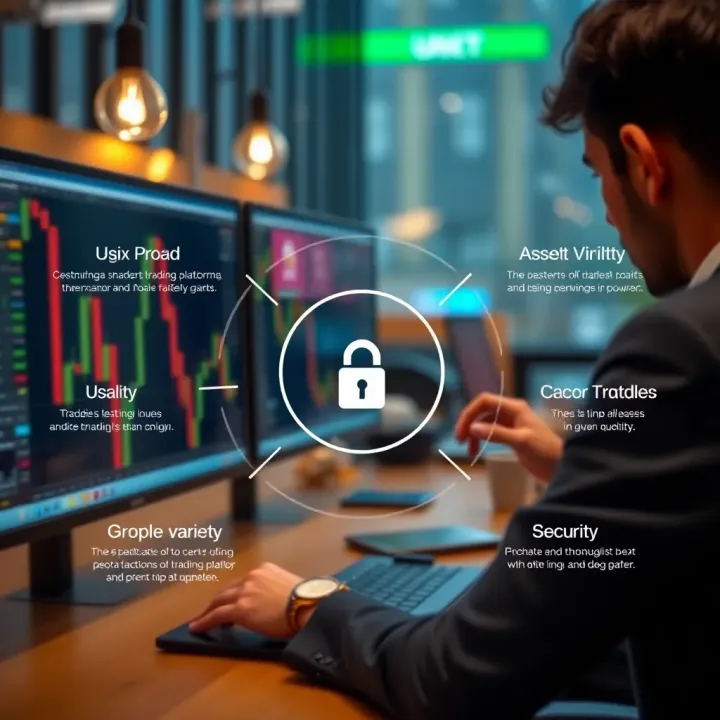
🔍 New to trading in Pakistan? Discover how to pick the best platform with ease, understand key features, asset types, and start your trading journey confidently!

Discover trading apps in Pakistan offering free real money, learn tips, tackle risks, and explore rules 🤑📱 for safe, smart trading opportunities.
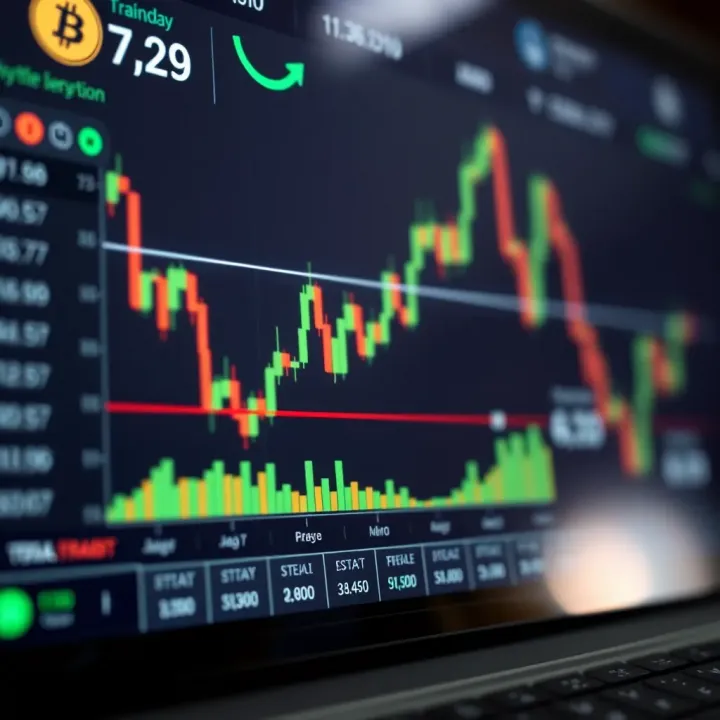
📈 Discover how to trade cryptocurrency in Pakistan with tips on top platforms, legal rules, trading methods, and smart risk management for safe investing.
Based on 7 reviews