
Choosing the Best Trading Website in Pakistan
Explore how to pick the right trading website in Pakistan 🇵🇰, what features matter, security tips 🔒, and strategies to trade confidently and wisely.
Edited By
James Whitaker
When it comes to trading in Pakistan’s financial market, the choice of trading platform can seriously make or break your experience. Whether you're a seasoned investor or just starting out, picking a platform that hides more pitfalls than benefits could cost you time, money, or even peace of mind.
Trading platforms aren’t one-size-fits-all. Some prioritize ease of use, while others pack in advanced charting tools. Security features vary, and fees can quickly add up if you’re not careful. That’s why it’s important to understand what you really need before you dive in.
In this article, we'll break down the essentials you should look out for when choosing a trading platform. From usability and cost structures to security and functional tools, we’ll compare what's available in Pakistan’s market. By the end, you’ll be better equipped to match a platform to your trading style and goals—helping you avoid regrets down the road.
Trading smart isn’t just about what you buy or sell — it’s about where and how you manage those transactions. A good platform is your trading partner, not just a tool.
Let’s get into the nitty-gritty and see which types of platforms work best for different traders and investors in Pakistan today.
Choosing the right trading platform begins with knowing what options are out there. It’s not just about picking the most popular one; understanding the different types helps you find a platform that fits your trading habits, technical comfort, and convenience. Think of it like buying a car — you want something that suits your daily needs, not just what looks shiny on the lot.
There are mainly three categories to consider: desktop platforms, web-based platforms, and mobile trading apps. Each has distinctive features and trade-offs worth weighing carefully. For example, some traders swear by desktop software heavy on analytics, while others prefer the grab-and-go nature of mobile apps.
Knowing these types upfront can save you headaches later, especially if you’re working with fast-moving markets or limited access to tech support.
Desktop platforms are like having your own trading command center. Installed directly on your computer, they're known for speed and powerful capabilities. A good example is MetaTrader 5, widely used by forex traders for its detailed charting tools and custom indicators.
These platforms often support complex order types and automated trading through expert advisors, which appeals to experienced traders. Plus, since they're installed locally, they usually offer better stability when your internet is patchy — something quite common in many parts of Pakistan outside big cities.
Web-based platforms score high on convenience. You just open your browser and log in, no downloads required. Take TradingView, for instance — it's popular worldwide for its intuitive interface and strong community features like chat and shared strategies.
They work great if you want to switch between different devices seamlessly, or if your PC has limited storage. That said, their performance can waver if your internet connection dips, so keep that in mind.
Mobile trading apps have changed the game for many traders who can’t be glued to their desks. With apps like IG Markets or eToro, you get notifications, execute trades, and check charts anytime, anywhere.
For Pakistani traders juggling work and family, these apps offer real freedom. They’re usually streamlined versions of desktop platforms but still pack a punch with essential tools. However, small screen size means you might miss some advanced features, so they’re best used for quick checks or simple trades.
To sum up, each type serves a different kind of trader. Desktop platforms are great for serious, data-heavy analysis. Web platforms provide flexible access without installation hassles. Mobile apps cater to trading on the fly. Your choice will depend on how you trade, where you trade, and what tech you have at hand.
Choosing the right trading platform goes beyond just picking a name that sounds fancy or promises low fees. It's about identifying key features that fit your style, trading goals, and technical needs. Whether you're a casual investor or a full-time trader, these features can make the difference between a smooth experience and one riddled with frustration.
A well-designed platform should deliver everything from ease of use to secure transactions, dependable charting tools, and quick execution speeds. Let's break these down one by one so you can spot what truly matters when selecting your platform.
Your trading platform should feel intuitive. Imagine sitting down to trade and struggling to find basic functions—that's a red flag. Look for platforms like MetaTrader 5 or TradingView that offer clear layouts with easily navigable menus. These platforms allow you to customize your dashboard, so you can see your preferred markets or technical indicators right up front.
Customization goes beyond aesthetics. For example, you might want to set up watchlists with Pakistani stocks like OGDC or international ETFs, or arrange your workspace to monitor live news feeds alongside charts. Platforms that let you personalize shortcuts and widget placements save time and reduce errors on busy trading days.
If you plan to trade only local stocks, a platform with limited markets might suffice. But most traders want more variety — futures, forex, commodities, ETFs, maybe even cryptocurrency. Platforms like Interactive Brokers and eToro expand your options impressively.
Consider if your platform supports trading Pakistan Stock Exchange (PSX) shares alongside foreign ones. For instance, some brokers in Pakistan partner with international platforms to provide access to US or European markets. This variety helps diversify portfolios and take advantage of global market moves, not just local trends.
Good charting tools are the backbone of successful trading. They provide the visual cues and patterns traders need. Look beyond basic price charts; platforms offering a wide range of indicators, drawing tools, and multiple time frames stand out. Think of platforms like TradingView, which provide hundreds of indicators and allow you to code your own strategies using Pine Script.
For Pakistani traders, being able to analyze historical data on PSX stocks alongside volume, moving averages, and RSI indicators is vital. Some platforms even include built-in news analytics or sentiment indicators so you're not flying blind during volatile markets.
Not all trades are created equal. You should expect a platform to support various order types — market orders, limit orders, stop-loss orders, trailing stops. This flexibility lets you control risk and maximize gains.
Execution speed is just as important. A delay of even a second can mean missing the best price, especially for day traders or scalpers. Make sure your platform uses reliable servers and offers low latency execution. Some platforms boast faster trade executions by connecting directly to exchanges, rather than routing orders through intermediaries.
You’re entrusting a platform not just with your money but also personal data. Security can’t be an afterthought. Look for two-factor authentication (2FA), encryption standards like SSL, and clear privacy policies.
Regulated platforms overseen by authorities such as Pakistan’s Securities and Exchange Commission (SECP) usually maintain high security standards. Additionally, platforms that reassure users by separating client funds from company assets reduce the risk of losing money if the broker hits hard times.
"Security and speed aren't just features; they're lifelines in online trading. Always prioritize platforms that guard your data as fiercely as they execute your orders."
In summary, evaluating these features with a focus on your personal needs will narrow down your options effectively. Follow your gut and remember, the most expensive or most advertised platform isn’t always the best fit. Aim for practicality and trustworthiness first.
Choosing the right trading platform means weighing different options carefully, especially here in Pakistan where both local and international choices are plenty. Comparing popular platforms isn't just about picking the one with the slickest interface; it’s about understanding the unique benefits each offers within the context of Pakistani trading conditions — such as market access, fees, regulations, and support. Knowing which platform aligns with your trading goals can help you avoid surprises down the road.
When comparing platforms, it’s practical to focus on things like ease of use, the range of markets available (stocks, commodities, forex, etc.), security measures, and the costs involved. Suppose you’re a beginner looking for straightforward tools and local support, a homegrown brokerage platform might feel more comfortable. On the flip side, if an experienced trader wants access to international markets or advanced charting, an international platform might be necessary. This section breaks down what local and international platforms typically offer Pakistani traders.
Local brokerage platforms in Pakistan tend to stand out for their familiarity with the domestic market rules and the Securities and Exchange Commission of Pakistan (SECP) regulations. Platforms like PSX’s trading system or popular brokers including AKD Securities and JS Global Capital tailor their platforms to deal specifically with Pakistan Stock Exchange instruments, offering tools and interfaces optimized for local needs.
One big plus with local platforms is the support for Pakistani Rupee (PKR) transactions and connections to local bank accounts, easing deposits and withdrawals without complicated currency conversions. They also often provide educational resources focused on local market trends and occasional in-person support centers, which can be a godsend for new traders.
However, some local platforms might lack the polish or advanced features seen in international platforms, such as real-time global market data or sophisticated algorithmic trading capabilities. Still, their strength lies in simplicity and compliance, making them a solid choice for those fully involved in Pakistan’s market.
International trading platforms like eToro, Interactive Brokers, and Saxo Bank open doors to global markets beyond Pakistan’s borders. These platforms are well-known for their cutting-edge technology and access to a wide variety of asset classes, from US stocks to futures and cryptocurrencies.
For Pakistani traders, the biggest draw is the opportunity to diversify portfolios overseas and trade 24/7 on markets that never sleep. These platforms also usually offer more sophisticated analysis tools and better execution speeds, which matter a lot if you're into day trading or managing complex positions.
That said, using international platforms comes with challenges too. Depositing and withdrawing funds often involves currency conversion and fees, plus the regulatory protections might differ from what Pakistani traders are used to. Regulatory compliance varies, so it’s key to verify how a platform protects its clients and adheres to international laws.
Ultimately, Pakistani traders need to balance convenience and access. Local platforms are convenient for rupee-based transactions and local market focus, while international platforms cater to traders ready to explore global markets with advanced features.
When picking a trading platform, consider not just what’s fancy or popular, but what fits your specific trading style, financial goals, and comfort with technology—and how each platform handles the nitty-gritty details that can affect your trades and profits.
When picking a trading platform, understanding the costs involved is just as important as the features on offer. Costs can eat into your profits faster than you expect, especially if you’re not fully aware of what you’re being charged. Whether you’re a casual investor or a day trader, knowing the fee structures helps you choose a platform that won’t surprise you down the road.
Pakistan’s trading market has its quirks, including some unique fee setups compared to international platforms. Some charges here might be hidden in the fine print, so it pays to read carefully. For example, certain platforms levy fees that only appear when you’re withdrawing money or converting currencies. Being clear on potential costs upfront ensures you can budget better and manage your trades effectively.
Commissions are the fees brokers charge for each trade you make. Some platforms offer zero commission trades but might widen the spread—the difference between the buying and selling price—to cover their costs. Others stick with a traditional commission model where you pay a fixed amount or a percentage of the trade value.
Take PSX-listed stocks trading on Pakistan’s own exchanges; local brokers often charge a commission ranging from 0.03% to 0.05% per transaction. This might seem small, but it adds up if you trade frequently. On the other hand, international platforms like interactive brokers charge per share with minimum fees, which can be cheaper if you’re making big orders but more expensive for small trades.
Spreads can be sneaky too. For forex trading, platforms like FXTM or OctaFX might offer very tight spreads during active market hours but widen them during volatile times, which can eat into profits. Always compare commission plus spread costs rather than focusing on one or the other.
Many traders get caught off guard by maintenance or inactivity fees. Some platforms charge a monthly or quarterly fee if your account doesn’t meet minimum activity levels. For example, a broker might charge a $10 fee if you don’t place any trades in a 3-month period.
There are also fees for things like market data access or using advanced analytics tools. Some Pakistani brokerage platforms bundle these in, while others charge separately. Always check if you’re expected to pay for premium features or real-time market information.
Another common hidden cost could be account closure fees or fees for paper statements. These might seem trivial but can add up, especially if you decide to switch platforms.
Moving money in and out of your trading account can come with its own set of costs. Deposit methods like bank transfers might be free, but international wire transfers to foreign brokers often incur fees both ways.
Withdrawal fees vary widely—some platforms take a flat fee, while others charge a percentage of the amount withdrawn. Pakistani traders using platforms like eToro or TD Ameritrade should keep an eye out as conversion rates and withdrawal fees can reduce their net returns.
Currency conversion is another tricky area. When trading internationally, your funds might need to move between PKR and USD or other currencies. Brokers often apply their own exchange rate margin on top of the interbank rate. For example, if the interbank rate is 1 USD = 280 PKR, the broker might convert at 1 USD = 275 PKR, which effectively means a hidden cost.
Tip: Always ask your broker or platform up front about any fees on deposits, withdrawals, or converting currencies. Small charges here can add up if you’re not careful.
Understanding these cost elements can make a big difference in your trading experience and profits. In the next section, we’ll look at how to pick a platform based on your personal trading style, balancing features against these cost considerations.
Finding the right trading platform isn't just about the bells and whistles; it’s about matching tools to your unique way of investing or trading. Just as you wouldn't wear hiking boots to a beach party, selecting a platform that fits your trading style can save time, reduce frustration, and boost your chances of success.
Every trader has different needs — some thrive on quick moves and frequent transactions, while others prefer steady, long-term growth. Knowing your style helps you zero in on platforms with the right features, keeping you comfortable and capable as you navigate the market.
New traders often need platforms that simplify the complex world of trading. Look for those offering intuitive interfaces, clear language, and educational resources. For example, platforms like Interactive Brokers and EasyEquities offer straightforward dashboards and built-in tutorials, making learning less overwhelming.
Beginners benefit from solid customer support and demo accounts, which let you practice without risks. The easier it is to understand order types and market data, the quicker new traders can gain confidence. Plus, platforms with strong community forums or learning hubs are a bonus — you can pick up tips from others who were once in your shoes.
If you’re jumping in and out of trades multiple times a day, speed and reliability are your best friends. This style demands platforms that execute orders almost instantly and show real-time data without lag. Think of it like trying to catch a train — every second counts.
Platforms such as MetaTrader 5 and Thinkorswim are favorites here, packed with advanced charting tools, customizable indicators, and hotkeys for quick action. They also support complex order types like stop-loss and limit orders, crucial for managing fast-paced trades.
Moreover, look for platforms that offer low transaction costs. Day trading eats away at profits if fees are steep. So, pakistan traders focused on day trading often check spreads and commission structures carefully before committing.
For those who prefer to buy and hold, platforms should support easy portfolio management and in-depth research tools. Long-term investors benefit from features that track dividends, earnings, and other fundamental data.
Platforms like TD Ameritrade and Fidelity provide comprehensive reports and financial news aggregation, which help investors keep an eye on market trends without constant monitoring. Also, automatic investment plans and dividend reinvestment options are great to look for, making the investment process more hands-off.
Since long-term investors aren’t as concerned with moment-by-moment price changes, they can often sacrifice some speed for tools that help build a well-rounded portfolio. Lower fees on inactivity and maintenance are a nice perk, because you’re not trading frequently.
Choosing a platform tailored to your trading style means less hassle and more focus on what really matters: making well-informed trades and investments.
To wrap it up, matching your trading style to the platform's strengths isn’t just a detail — it’s a foundation. Whether you’re a newbie testing the waters, a day trader sprinting through markets, or a patient investor in it for the long haul, your platform choice can either make or break your trading journey.
Choosing the right trading platform isn't just about slick interfaces and low fees. The support you get when things go sideways and the resources available for learning can make or break your experience—especially in a market like Pakistan, where trading is growing but still relatively new to many.
When you're handling investments, every minute counts. Imagine placing what you think is a market order, but some glitch delays it, and you want immediate help. A trading platform with responsive customer service can step in to resolve issues before you lose money. Platforms like IG or FXTM are known for quick customer support, answering calls or chats without a long wait. This responsiveness builds trust and reduces frustration.
Customer service isn’t just about being there when things go wrong. It’s also about understanding your unique problems—maybe you’re trying to navigate Pakistan’s tax rules on capital gains or face challenges with cross-border currency transactions. Being able to talk to someone knowledgeable who gets these local complexities is a big plus.
Trading’s a steep learning curve. The platforms that offer a rich library of resources—videos, tutorials, webinars, and articles—help traders up their game. For example, PSX’s own trading apps sometimes provide basic guides, but international platforms like TD Ameritrade and Interactive Brokers really up their game with free courses and live sessions tailored for different skill levels.
Ongoing education helps you stay current with market trends and new features on the platform. It’s like having a coach sitting with you, showing the ropes, and pointing out pitfalls. A trader who regularly uses these resources can avoid rookie mistakes and trade more confidently.
Without good customer support and education, even the best software can leave you stuck and frustrated. These services often tip the scale when deciding which platform suits you best.
Supporting your trading journey with solid customer service and ample learning materials ensures you’re not flying blind. That little extra help can make a big difference between losing money out of confusion and making informed, timely decisions on your trades.
When it comes to trading platforms, following local regulations isn't just a formal requirement—it's a vital part of building trust and protecting your investments. In Pakistan, the Securities and Exchange Commission of Pakistan (SECP) oversees trading activities, ensuring platforms operate transparently and within legal boundaries. This is especially if you’re diving into stock or forex trading, where unregulated platforms can lead to serious headaches, like sudden freezing of funds or data breaches.
The SECP acts like a watchdog for trading platforms in Pakistan. It licenses and monitors brokers and platforms, making sure they comply with financial laws and best practices. For example, SECP requires brokers to maintain minimum capital reserves and segregate client funds from their own operational accounts. This helps prevent misuse of investors’ money—a common pitfall when regulation is weak or absent.
The SECP also conducts regular audits and imposes penalties for non-compliance. By doing so, it reduces the risk of fraud and market manipulation. Take, for instance, the strict rules around insider trading and disclosure of financial information, which promote fairness among traders.
Regulatory oversight translates into tangible benefits for users of trading platforms. Safety is a big one—regulated platforms need to implement strong data security measures to protect personal and financial information. So user data isn't just floating around vulnerable to hackers.
Transparency is another key aspect. Platforms under SECP’s watch are required to be upfront about fees, order execution policies, and terms of service. This prevents hidden charges from creeping up on you or orders being executed disadvantageously.
For example, platforms like PSX's own trading interfaces adhere to strict disclosure standards, ensuring traders know exactly what they're paying and how trades are processed.
In addition, regulated platforms often provide dispute resolution channels. Without that, resolving conflicts can be like hitting a brick wall. So when trading in Pakistan, sticking to SECP-regulated platforms isn’t just a suggestion; it’s a smart step to keep your trading experience smooth and secure.
Overall, being aware of regulatory compliance improves your confidence in the trading setup. It’s worth checking a platform’s licensing status on the SECP's official registry before committing your funds. Doing a bit of homework here can help you avoid falling for offshore platforms that don’t play by Pakistani rules and might vanish overnight.
Explore how to pick the right trading website in Pakistan 🇵🇰, what features matter, security tips 🔒, and strategies to trade confidently and wisely.

Explore 🌍 the best trading platforms for Pakistan traders! Learn to assess features, security 🔒, user experience, market access 🌐, and regulations to pick your ideal platform.

📈 Find the perfect trading app in Pakistan! Explore features, security, fees, and usability to match your style, budget, and tech needs easily.💼
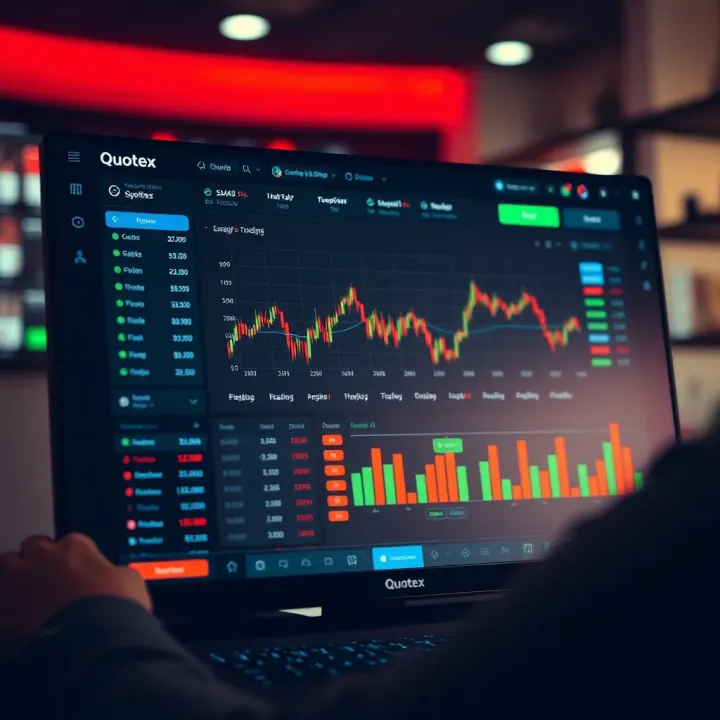
Explore Quotex 🇵🇰, an easy trading platform for beginners and pros. Learn its features, account types, markets, and deposit options in Pakistan.
Based on 8 reviews