

Complete Guide to Trading Books in PDF Format
📚 Discover where to find reliable trading books in PDF for Pakistani traders! Learn key concepts, pros and cons, legal tips, and how to pick the best resources.
Edited By
Henry Williams
Trading in financial markets isn’t just about luck or gut feelings; it takes solid knowledge and sharp skills. But where do traders, especially in Pakistan and similar markets, find trustworthy resources? This guide will walk you through the most useful trading books and PDF materials that can really boost your understanding and strategy.
Whether you’re a beginner figuring out candlesticks or an experienced trader testing new strategies, having the right books at your fingertips makes a huge difference. But with countless options out there, it’s easy to get overwhelmed or fall into traps like outdated info or unreliable downloads.
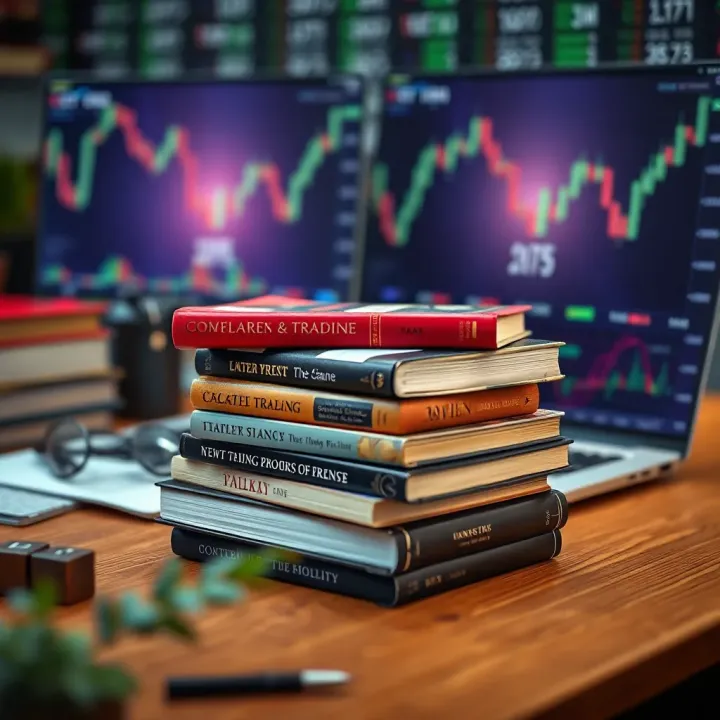
We'll cover:
Why trading books still matter despite all the online noise
How to spot quality PDFs without risking your legal standing
Which books suit different trading styles—from day trading to swing trading
Where traders in Pakistan can find accessible and legal materials
Trading wisely means knowing where to get your information from. This article aims to fill that gap by offering straightforward, practical advice to help improve your market decisions without the hassle.
Learning trading from poor sources is like sailing without a compass — you might move, but don't expect to reach your destination.
Let's get started by understanding why trading books still hold value in this fast-paced digital age.
Trading books play a vital role for anyone serious about stepping into the financial markets. Unlike quick online tips and flashy headlines, books offer a solid, in-depth look at trading fundamentals, strategies, and mindset. They act as a steady compass amid the chaos of daily market noise.
Reading trading books helps sharpen your grasp on complex concepts like chart patterns, risk management, and market psychology. They don’t just fill your head with theory but often include actionable advice that you can test and tweak in real trading. For instance, reading how seasoned professionals deal with volatility can prepare you to stay calm during turbulent market swings.
Moreover, books let you absorb trading knowledge at your own pace. You can take notes, revisit chapters, and build a reference library customized to your learning curve. This is especially useful in emerging markets like Pakistan where tailored trading courses might not always be available.
Investing time in good trading books saves you from costly mistakes and builds confidence—making it one of the smartest moves for any trader.
Knowing the basic principles of investing is the first stepping stone. This means understanding how stocks, bonds, commodities, and currencies differ, along with knowing simple concepts like market orders, bid-ask spreads, and portfolio diversification. For example, realizing that buying a share means partial ownership of a company keeps you grounded in real-world mechanics.
A firm grasp on investment basics removes the guesswork from trading decisions, helping you avoid jumping on trends without reason. It also prepares you to understand more intricate ideas covered later.
Technical analysis focuses on interpreting past price movements to predict future trends. Key tools include charts, trend lines, moving averages, and indicators like RSI or MACD. If you trade forex or stocks, knowing how to spot support and resistance levels can be a lifesaver.
For a Pakistani trader, understanding candlestick patterns can add an edge as many local platforms provide real-time charts. Technical analysis complements fundamental insights by showing when to enter or exit trades, turning the data into practical signals.
While technical analysis looks at charts, fundamental analysis digs into the underlying factors influencing asset values—like a company’s earnings, economic indicators, or geopolitical events. It answers the 'why' behind price moves.
For example, knowing Pakistan’s inflation rates or the State Bank’s policies provides clues about currency strength. This type of analysis suits longer-term traders or investors interested in stock picking.
Together, technical and fundamental skills cover different angles of the market, making your approach well-rounded.
One of the biggest benefits of reading trading books is gaining access to the minds of experienced traders. Books like “Market Wizards” offer interviews with legends sharing their secrets, failures, and daily habits.
Understanding their thought process can help you craft your own trading style instead of blindly copying others. It’s like having a mentor available 24/7.
Examples bring theory to life. Seeing how a trader handled a real market crash or a breakout helps you connect concepts with practice. Many books include detailed case studies—like how Jesse Livermore managed risk during the 1929 crash or how modern quant traders handle algorithmic challenges.
Reviewing these aids in spotting patterns and mistakes you might not notice in your own trades.
Perhaps the most practical takeaway from books is learning what pitfalls to sidestep. Whether it’s overtrading, neglecting stop-loss orders, or falling for hype, seasoned traders warn against these blunders time and again.
Understanding these mistakes before hitting the market can save your hard-earned capital. For instance, many newbie traders lose money by chasing “hot” tips instead of sticking to a tested plan.
Combining all these benefits, trading books are essential for building both knowledge and practical skills essential for success in markets, especially in fast-moving or uncertain environments.
In today’s digital age, finding reliable PDF versions of trading books feels like hitting the jackpot—especially if you’re learning the ropes or sharpening your market tactics. But it’s not just about getting hold of any PDF; it’s about doing it safely. Downloading from sketchy sources not only risks your device’s security but could land you in legal hot water. This section breaks down how to source your trading PDFs responsibly, keeping your learning both smart and worry-free.
Starting with the obvious: official publisher websites are your best bet. These sites often offer free excerpts, previews, or even full PDFs of trading books. Established publishers like Wiley, McGraw-Hill Education, or Penguin Random House provide authentic digital copies with no risk of hidden malware. Plus, you can count on the content’s accuracy and updated editions. For example, Wiley frequently offers updated financial textbooks and trading guides which authors release in digital format. Getting your PDFs from such sources ensures you respect copyright laws and get a top-quality reading experience.
Don’t overlook educational platforms like Coursera, Khan Academy, or library portals from institutions like the British Library or local Pakistani universities. Many of these platforms provide free or subscription-based access to a wealth of financial literature in PDF form. For instance, the Punjab Public Library often allows members access to a digital collection of finance books, including trading manuals. This route not only guarantees legal downloads but often hosts peer-reviewed or thoroughly vetted materials, making your study time more fruitful.
Certain well-known financial forums like Elite Trader and Traders Laboratory sometimes share links to reliable PDFs or recommend trustworthy sources. Engaging with these communities has the extra benefit of peer feedback. Real traders often flag suspicious downloads or spotlight excellent resources. This can steer you away from shady material toward legitimate and helpful books. Just remember to confirm any links before downloading—an extra minute saved here is less hassle later.
Downloading pirated trading books might seem harmless until you realize it’s breaking copyright law, which can trigger penalties. In Pakistan, as elsewhere, copyright infringement can lead to fines or even legal action. Since many trading books are written by professionals who rely on these sales to earn royalties, respecting their work is essential for maintaining a fair market for authors and learners alike.
Many shady websites offering “free” PDFs are traps. They might pack files with malware or trick you into signing up for dubious services. This could jeopardize your device or steal personal information. For example, fake PDF download sites often request unnecessary permissions or pop up with aggressive ads that lead to phishing scams. Stay alert and always scan downloads with trusted antivirus software.
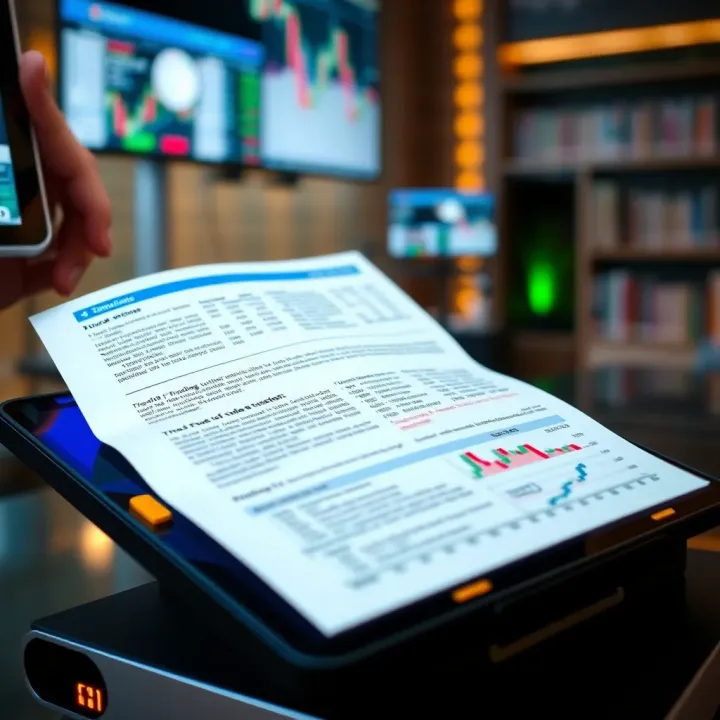
Before you hit the download button, double-check where the PDF is coming from. Look for reviews or comments about the site. Cross-reference the book’s details with publisher records or ISBN numbers to confirm authenticity. For instance, if a forum user shares a PDF link claiming to be "Market Wizards," verify against known editions of the book. Using a simple trick, like opening the PDF on your device and checking metadata (author, publisher), helps identify counterfeit versions quickly.
Pro tip: Use antivirus scanners and tools like Adobe Acrobat Reader's protected mode when opening PDFs from less familiar sources.
By keeping these safeguards in mind, you ensure your collection of trading book PDFs stays secure, legal, and genuinely helpful toward your trading education. It’s worth the extra effort to avoid headaches down the line and build knowledge on a firm foundation.
Picking the right trading books can feel like finding a needle in a haystack, especially with so many materials out there. But the truth is, tailoring your reading material to your trading style and experience level makes a big difference. Whether you're just starting or you've been playing the market for years, the right books help you build skills that actually work in real trading environments. It’s about cutting through the noise and focusing on content that matches your approach and learning needs.
These books are perfect for anyone just dipping their toes into trading. They break down the jargon, explain market basics, and outline key concepts without overwhelming you with technical stuff. Publications like "The Little Book of Common Sense Investing" by John Bogle or "Trading for Dummies" provide straightforward explanations on what stocks, bonds, and markets are all about. The goal here is to get a solid foundation so beginners don't get lost or discouraged early on.
For example, a beginner who reads an introductory guide will better understand why a stock’s price moves and the fundamental role of supply and demand. This knowledge is crucial before jumping into more complicated strategies.
Once you’re comfortable with the basics, it’s time to learn how traders analyze markets. Books covering technical analysis, like "Technical Analysis of the Financial Markets" by John Murphy, explain charts, trends, and indicators. On the flip side, fundamental analysis books, such as "The Intelligent Investor" by Benjamin Graham, focus on a company’s financial health and economic factors.
These readings help beginners grow from guessing market moves to making informed decisions. They teach you tools like moving averages or earnings reports that traders worldwide use daily.
Trading is as much about the mind as it is about money. Books focusing on risk management and trading psychology teach you how to handle losses, avoid emotional mistakes, and protect your capital. Titles such as "Trading in the Zone" by Mark Douglas emphasize mindset shifts that enable consistent trading.
Consider a trader who knows all the strategies but keeps blowing up accounts due to fear or overconfidence. Reading up on psychology and risk control helps such traders develop discipline and think clearly during market swings.
For traders who have mastered the basics, advanced books offer detailed approaches to spotting setups and executing trades with precision. Books like "Encyclopedia of Chart Patterns" by Thomas Bulkowski go beyond simple indicators, providing examples on patterns like head and shoulders or flags.
By understanding these, an intermediate trader can anticipate price movements more effectively, gain an edge over others, and refine their strategies. Practical application of these concepts can greatly improve actual trading performance.
This category tackles systematic trading methods driven by computer programs and mathematical models. Books like "Algorithmic Trading" by Ernest Chan dive into coding strategies and data analysis, which might seem intimidating but are crucial in modern markets.
For a trader looking to automate or optimize trades using data-driven techniques, these resources explain how to build and test algorithms without blindly relying on gut feeling. They bridge the gap between technology and trading smarts for those who want to scale up their approach.
Picking books aligned with your experience and style isn't just a reading choice—it's a strategic move to grow your trading edge while avoiding wasted time on irrelevant material.
Choosing the right book is like picking the right tool. Beginners get clarity on market basics; intermediates sharpen their technical skills, and advanced traders tap into specialized knowledge that supports consistent profits and innovation. Tailor your reading list carefully, and your trading will thank you.
Popular trading books have stood the test of time because they offer valuable insights and practical strategies traders can rely on. Whether you're just starting out or you're looking to sharpen your trading skills, these books provide a solid foundation and nuanced understanding that’s hard to beat. For traders in Pakistan and beyond, tapping into these resources can illuminate market dynamics and trading psychology in ways that bare charts and numbers alone can’t.
This book is often considered the bible for technical traders. It breaks down complex charting techniques into digestible parts, teaching how price movements and volume patterns can predict future market behaviors. For example, learning about candlestick patterns here helps traders spot entry and exit points with greater accuracy. If you’re serious about understanding market sentiment through analysis, this book offers clear, actionable methods to turbocharge your technical skills.
This one challenges the idea that you can reliably pick stocks or time the market based on past price movements. It introduces the concept of the efficient market hypothesis in straightforward terms, suggesting that most price changes are random and can't be predicted. This book is practical for traders in Pakistan who might be tempted by tips or rumors; it encourages a more cautious, research-driven approach to investing, focusing on diversification and long-term strategies instead.
These books are like sitting down for coffee with some of the most successful traders ever. They share personal stories, strategies, successes, and failures. What sets these apart is the insight into mindset — how discipline, risk management, and emotional control are what separate traders who make consistent profits from the rest. For anyone wanting to understand the real-world ups and downs of trading, these interviews offer grounded lessons wrapped in personal experience.
Written by Mark Douglas, this book zeroes in on trading psychology. It’s not just about strategies; it’s about managing your state of mind to avoid emotional traps like fear and greed. In a market that moves fast and unpredictably, this book helps traders develop the mental toughness needed to stick to their plan without second-guessing every move.
An updated take on classic trading principles by Dr. Alexander Elder, this book blends psychology, trading tactics, and risk management. It explains concepts like triple screen trading and personal discipline in a way that's practical for active traders in volatile markets. Its step-by-step approach makes it useful for traders who want clear, realistic strategies backed by experience.
Michael Lewis’ Flash Boys digs into the world of high-frequency trading — a topic that may feel distant but actually affects market order execution everywhere, including emerging markets. Understanding how these ultra-fast trades impact liquidity and price can help everyday traders recognize when the market isn’t acting as expected and adjust their strategies accordingly. It shines a light on the modern market's mechanics behind the scenes.
Many traders overlook the value of classics because they seem dated, but fundamental principles remain unchanged. Combining these classics with modern insights gives you a rounded grasp of trading's many facets.
In a nutshell, these books offer something for every type of trader. Whether you prefer the detailed charts of technical analysis, the psychological angle, or real stories from market pros, they enrich your trading toolkit. Reading and reflecting on these resources can give you an edge, especially when paired with actual market practice and ongoing learning.
In today’s digital age, PDFs have become a common format for trading books and resources. They're handy because you can carry a whole library in your pocket, making learning on the go much easier. However, owning PDFs is just the first step. Using them effectively is what sets successful traders apart from those who just skim through materials without gaining much insight.
Efficient use of PDFs means being organized and interactive rather than passive. For example, simply reading a chapter about technical analysis won't stick unless you make notes, highlight key concepts, or create bookmarks to quickly revisit crucial sections. This active engagement helps to reinforce complex ideas and saves time during review sessions.
Moreover, combining your reading with practical exercises, like testing strategies on demo accounts and maintaining a detailed journal, turns theoretical knowledge into actionable skills. Without these steps, the PDFs remain dusty files on your device. Let's dig deeper into how you can organize, annotate, and mix your reading with practical trading practice to make the most of these digital resources.
Trading books in PDF form often contain a ton of useful info, but we all know how easy it is to forget the details after a quick read. Using a PDF reader that supports notes is a game-changer. Apps like Adobe Acrobat Reader or Foxit Reader allow you to add sticky notes, underline phrases, and even draw arrows pointing to charts or sections that need a second look.
This isn’t just for neatness—it forces you to process the material actively. For example, you might highlight a section explaining Fibonacci retracements and jot a quick note on why that’s relevant to your current strategy. Later on, when reviewing, these notes serve as personalized reminders, forming a kind of dialogue between you and the book.
Bookmarking lets you jump fast to key chapters or pages without scrolling forever. Suppose you’re learning about candlestick patterns; bookmarking that section saves precious minutes when you want to refresh your memory during market hours.
Highlighting is equally useful. Unlike a physical book, digital highlights can often be copied or exported, creating a separate summary of all critical points. For instance, you can highlight risk management tips across several PDFs and compile them into one cheat sheet. This makes later revision more efficient and focused.
Reading about trading strategies means little if you don’t put them to the test. Demo accounts offered by platforms like MetaTrader or ThinkorSwim let you practice without risking real money. After learning a technique in a PDF, try simulating trades based on that method.
For example, if a book suggests a specific moving average crossover strategy, set it up in your demo platform and observe how it works over different market conditions. This hands-on practice bridges the gap between theory and real-world application, reinforcing your understanding.
A journal is a trader's best friend. As you learn from PDFs, record your reflections, the trades you try, and the outcomes. This habit helps you identify patterns in both your strategies and mistakes.
Write down what you read, how you applied it, and how it felt emotionally during live or demo trades. Over time, this log becomes an invaluable feedback loop, enabling continuous improvement and boosting confidence. Plus, it keeps your learning organized and purposeful rather than scattered.
Remember: Reading alone won't build skills; it’s about how you engage with the material and put it into practice. Using PDFs effectively by organizing, annotating, and combining with real trading exercises can make all the difference in your trading journey.
While trading books and PDFs form the backbone of self-education for traders, relying solely on them can be limiting. Additional resources like videos, webinars, and interactive communities breathe life into static text, offering varied perspectives and real-time insights. These extensions not only reinforce knowledge gained from books but also make complex concepts easier to grasp through visual and social learning. For traders in Pakistan and others worldwide, tapping these resources means faster adaptation to market shifts and a richer understanding of trading nuances.
Finding trustworthy trading educators is essential because not all online content is created equal. Look for professionals with verifiable track records, certifications, or years of practical trading experience. For example, platforms like Investopedia and CME Group offer webinars led by industry experts. In Pakistan, many financial education companies host sessions featuring successful local traders, providing context relevant to regional markets. Be cautious of flashy, get-rich-quick types promising guaranteed profits—reputable educators focus on strategy and risk management.
Video tutorials complement book learning by breaking down complex strategies into bite-sized visual steps. For instance, while reading a book on candlestick patterns, watching a video demonstration of those patterns in live charts helps cement understanding. Combining PDFs with video also benefits diverse learning styles: readers can pause, rewind, or slow down videos as needed. To get the most out of both, consider creating a study routine where you read a chapter and follow it up with related video content and practice exercises on a demo trading platform.
Jumping into online trading communities encourages active learning and exchange of ideas. Platforms like Reddit’s r/StockMarket and local Pakistani forums such as PakMoneyTalk provide spaces to ask questions, share experiences, and discuss current market events. Active participation not only clarifies doubts but can expose you to different trading perspectives, strategies, and tools that books might not cover comprehensively. Remember, the key is to engage thoughtfully, backing opinions with data or experience to build credibility.
Sharing your own trade analysis and ideas is just as vital as soaking in others’ viewpoints. It invites constructive feedback and helps sharpen your trading sense. Many forums support sharing trade screenshots, setups, and journaling insights, making it easier to track progress and learn from mistakes. For example, a trader might post a screenshot showing their entry and exit points for a specific stock, inviting critiques on risk management or timing. The feedback loop created in these communities can accelerate skill development far beyond solitary study.
Engaging with dynamic resources like videos and forums enhances your trading education by offering immediate application and dialogue, complementing the foundational knowledge gained from trading books.
Wrapping it all up, knowing how to access and use trading books wisely can make a real difference in shaping your trading journey. These books are like maps guiding you through the often chaotic terrain of financial markets. But just buying or downloading a bunch isn't enough—you need to engage with the material actively and responsibly.
One big takeaway is to balance reading with actual trading practice. Without real-world application, the theories can feel abstract and lose their punch. Plus, being mindful of where you get your PDFs matters – opting for legitimate sources helps you avoid legal trouble and malware risks.
Ultimately, a thoughtful approach to choosing, consuming, and updating your trading resources keeps your knowledge sharp and relevant, making you better equipped to respond to market shifts.
Trading isn’t a one-and-done kind of skill; it’s constantly evolving. That's why keeping a steady habit of learning is key. Think of it as a muscle you have to keep flexing. For example, a trader might set aside time each week to read a chapter from a new trading book, then immediately test those ideas in a demo account. This hands-on trial lets you see if the theory holds up or needs tweaking.
Continuous learning means staying curious and never assuming you’ve “mastered” the market. Markets change due to economic shifts, regulations, or new technologies, so your knowledge should expand accordingly. The trick is to mix reading with real-world experiments — this combo helps cement concepts in your brain and sharpens your trading instincts.
Just reading and practicing isn’t enough; you also need to check if your trading strategies are actually working. Schedule routine check-ins—for example, monthly or quarterly—to review your trades and results. Ask yourself: "Is this method giving me consistent profits? What went well? Where did I lose money?"
Keep a trading journal alongside your book notes. Write down which strategies you tried, what worked, and what didn’t. This habit shines a spotlight on blind spots and stops you from blindly repeating the same mistakes. Plus, it’s a neat way to measure growth over time. For instance, if you notice your risk management improved after reading 'The New Trading for a Living', that’s a direct payoff from your reading efforts.
Markets react quickly to news—from geopolitical tensions to corporate earnings. Traders who stay informed can spot opportunities or risks faster. It’s smart to follow respected news sources like Bloomberg, Reuters, or CNBC regularly.
A daily habit of skimming market news keeps you in touch with what's moving stocks, currencies, or commodities. For a Pakistani trader, keeping an eye on the State Bank of Pakistan announcements and local economic indicators is just as important as global updates. Think of market news as the pulse check that tells you whether the market mood is bullish, bearish, or uncertain.
Markets don’t stand still, and neither should your reading list. What worked as a trading approach five years ago might be outdated today. So, keep refreshing your library with books that reflect current market realities.
For instance, if algorithmic trading starts dominating, diving into newer titles focusing on quantitative strategies or Python for traders might make sense. Similarly, after big shifts like the rise of cryptocurrencies, adding books like 'Flash Boys' can offer fresh perspectives.
Keep a mix of classic trading wisdom and modern insights on your shelf. Monitor market trends and adjust your reading priorities accordingly. This way, you’ll avoid getting stuck on old methods while staying open to innovative ideas.
Consistently mixing learning with action and updating your knowledge based on market changes is the best formula for becoming a savvy trader.
In short, the right trading books, accessed legally and used smartly, form a solid backbone for your growth as a trader. Blend this with active practice and awareness of the market environment, and you'll set yourself on a path to better decisions and hopefully more wins.
📚 Discover where to find reliable trading books in PDF for Pakistani traders! Learn key concepts, pros and cons, legal tips, and how to pick the best resources.
📚 Discover essential trading books in PDF for Pakistani traders. Learn trading skills, strategies, risk management, and psychology with reliable, legal resources.
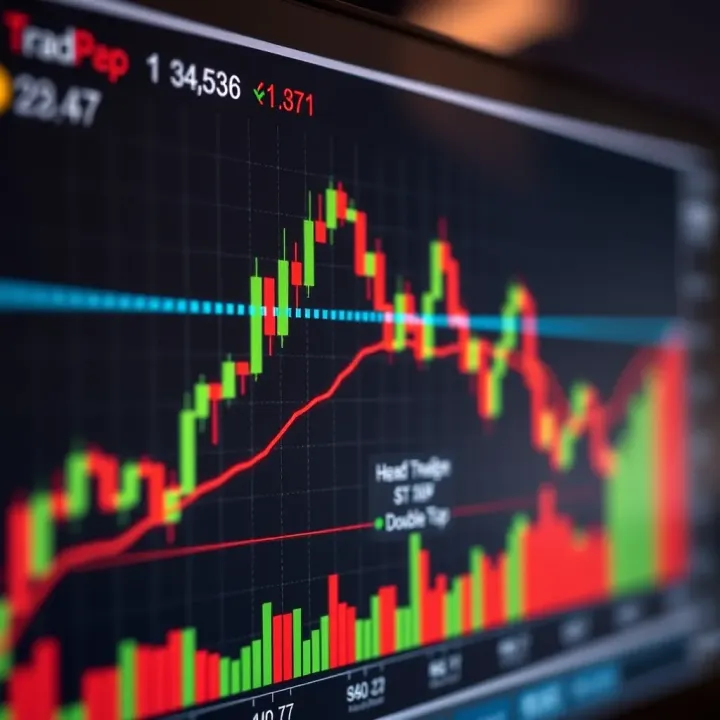
📊 Discover trading patterns and their practical uses in this detailed guide. Learn how PDF resources can boost your trading skills effectively. 📈
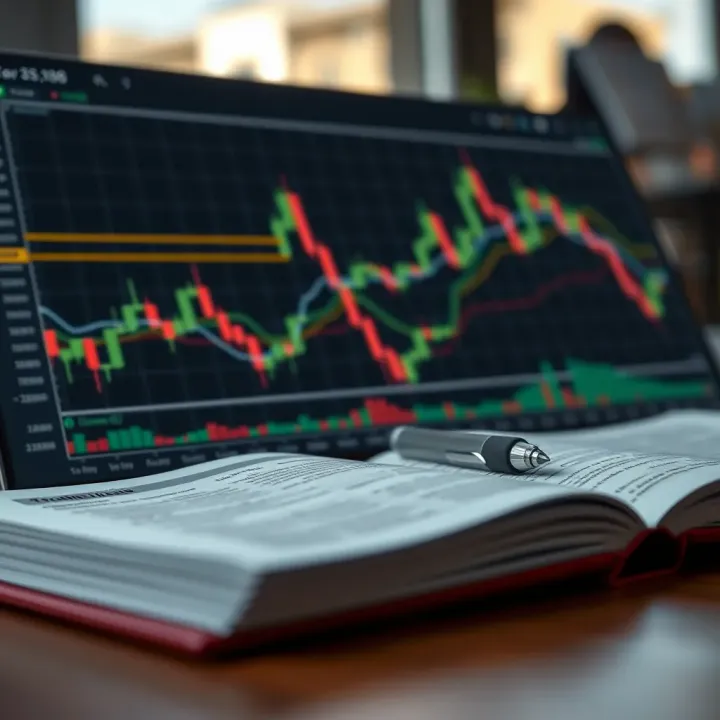
📚 Explore top trading PDF books for Pakistani traders! Find reliable resources, learn strategies, and master various trading styles with ease. 📈
Based on 9 reviews